The esports program at Salt Lake Community College saw its funding restored after a brief rollback during the fall 2025 semester. But for players and coaches, uncertainty has not entirely disappeared.
Scholarships tied to the program were temporarily cut before being reinstated weeks later, creating confusion and instability for students who relied on that support. While the program continues to operate, the experience raised questions about what has changed and whether the program is stable.
The cuts initially removed scholarships and disrupted participation before funding was later restored, according to previous Globe reporting.
“The cuts to scholarships and waivers … really impacted some of the students who need it most,” Esports Director and Head Coach Jeff Sosa said. “We did lose a few team members.”
Sosa said some students transferred to other colleges that could offer financial aid, while others took time off from school entirely. Even after funding returned, those losses could not be fully reversed.
For some players, however, the reaction was not always defined by panic. Many stayed committed to the program despite the uncertainty.
“Even though scholarships are a big incentive … there are people who are still really passionate about the program,” said Benjamin Norris, an “Overwatch” player.
That passion helped maintain stability within teams, even as the program itself faced changes behind the scenes.
A changed, but still familiar, program
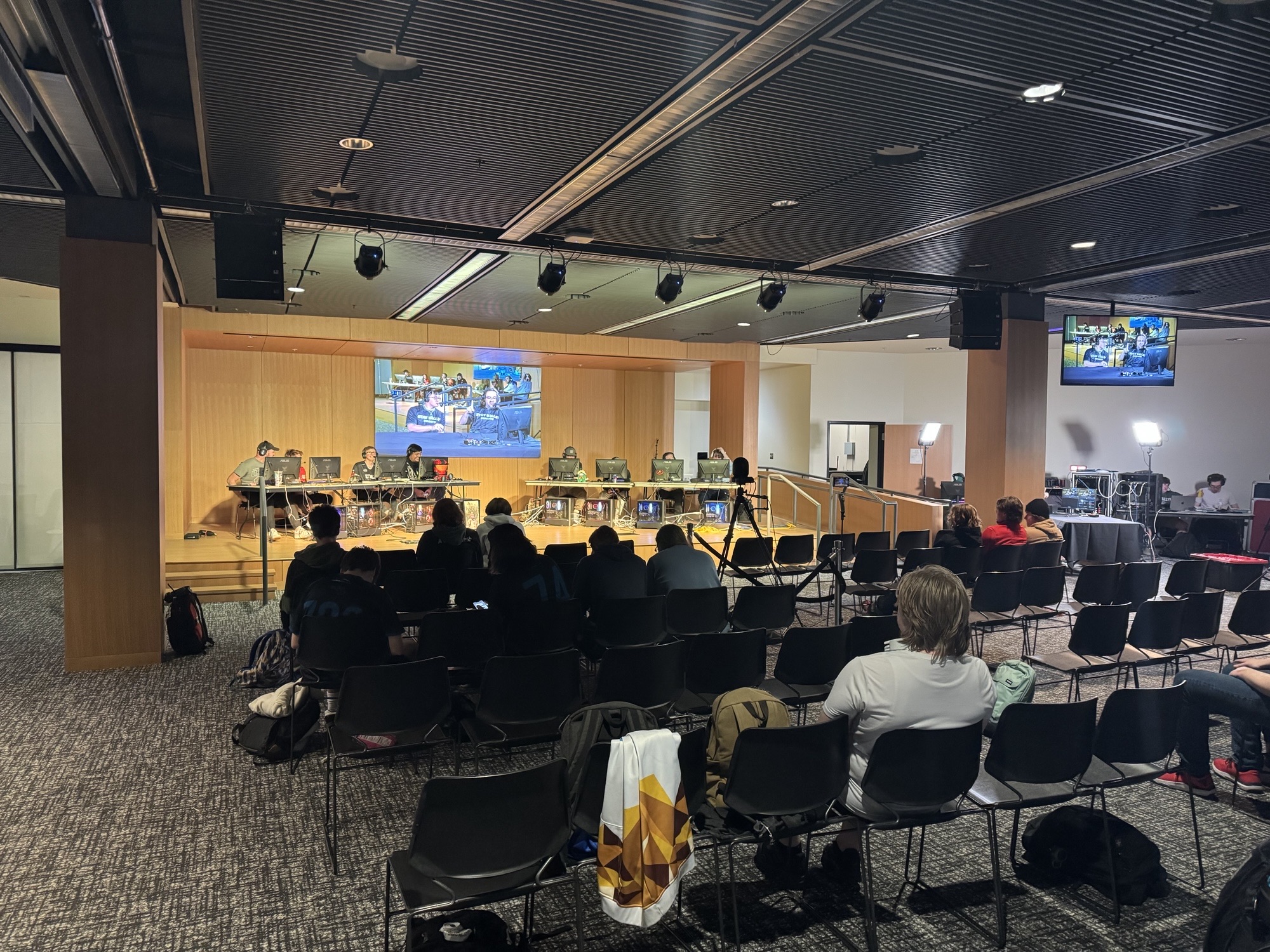
While some funding was reinstated, Sosa said the program did not fully return to its previous structure.
“Full funding hasn’t been restored yet,” he said.
Sosa confirmed that scholarships were prioritized for returning students who needed financial aid.
The biggest changes were not in competition, but in what the program could offer. During the funding gap, expectations tied to scholarships, such as required service work, were loosened, and some opportunities for players were reduced.
Still, many players said the core experience of competing remained unchanged.
“The program is always managed really well,” Norris said. “We always want to be doing our best, whether scholarships are on the table or not.”
For some, the reinstatement of funding had a direct impact. “League of Legends” team captain Jackson Smith said getting financial support back allowed him to reduce work hours and focus more on school.
“I was able to take on less work … which opened up an extra 15 hours in my week,” Smith said.
Importance of stability
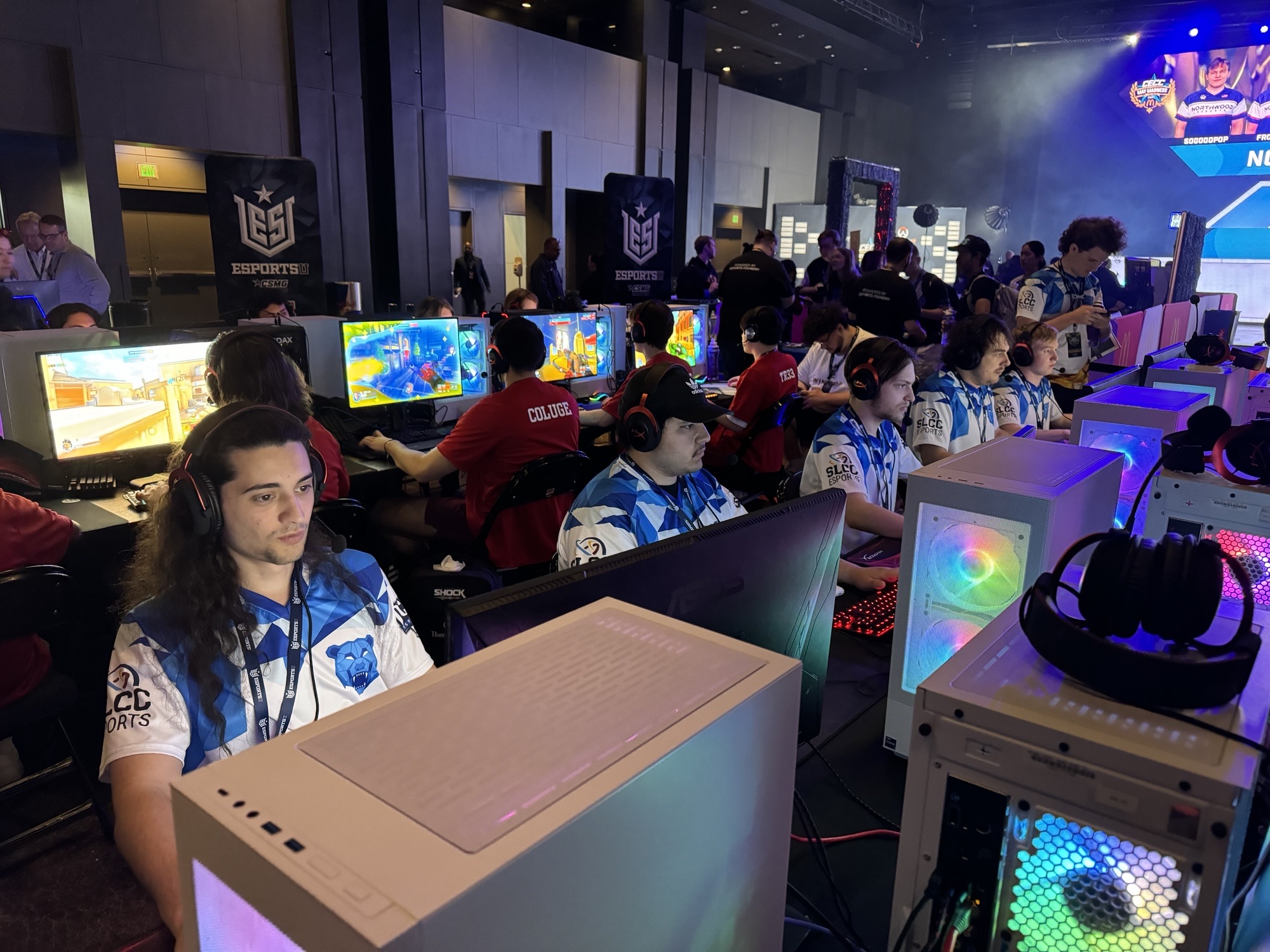
The funding disruption revealed how dependent some students are on financial aid to stay in the program.
“I think it’s extremely important,” Smith said. “There’s a lot of talent that gets missed out on … because they have to dedicate their time to working instead.”
Other players echoed that reality, saying that without scholarships, participation can become difficult, or even impossible, for some students.
Sosa emphasized that SLCC’s scholarships are designed as retention tools rather than recruiting incentives, meaning they help students finish their education rather than attract new players.
Even so, their temporary removal still affected who can afford to stay.
Challenges beyond funding
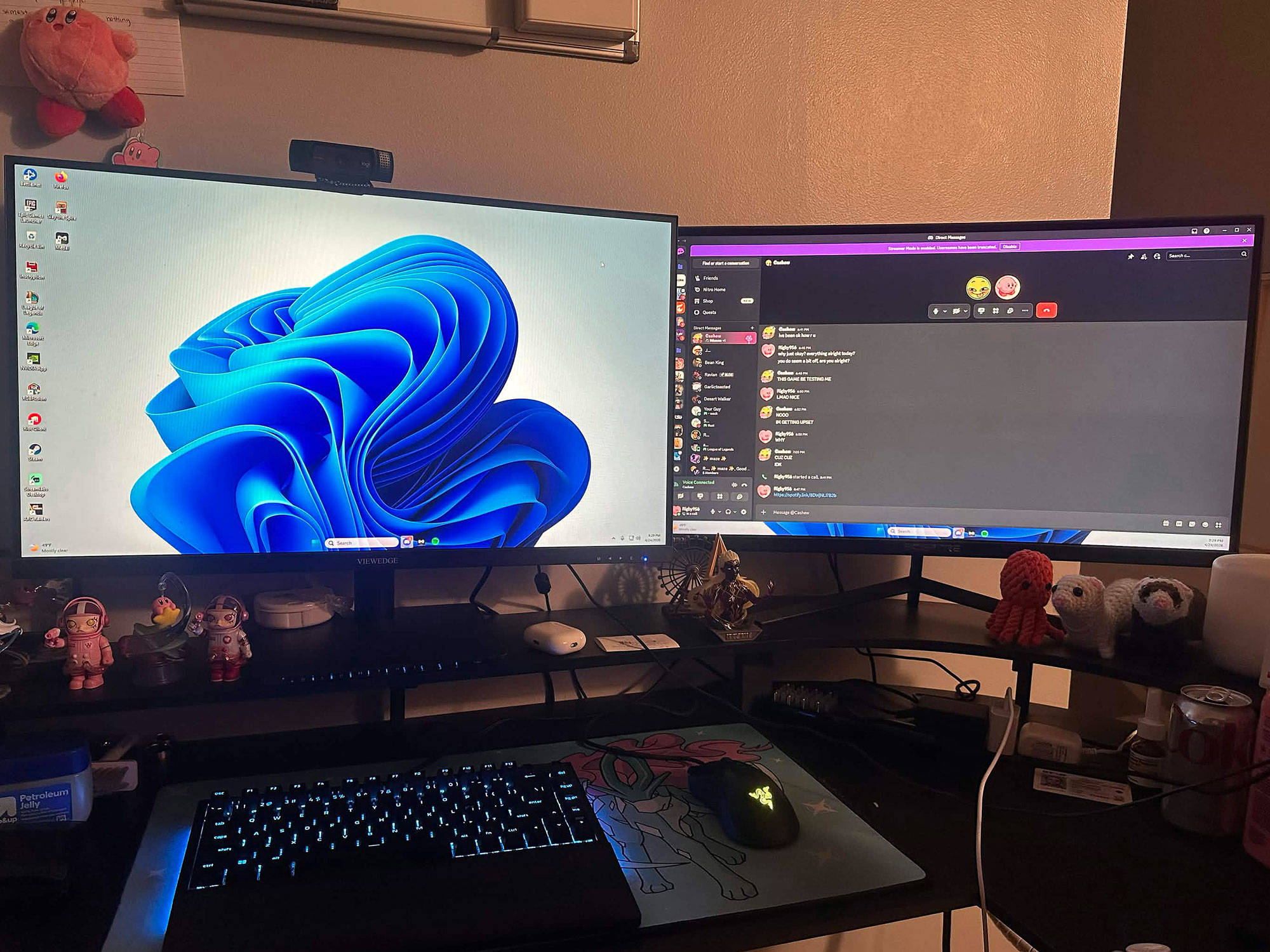
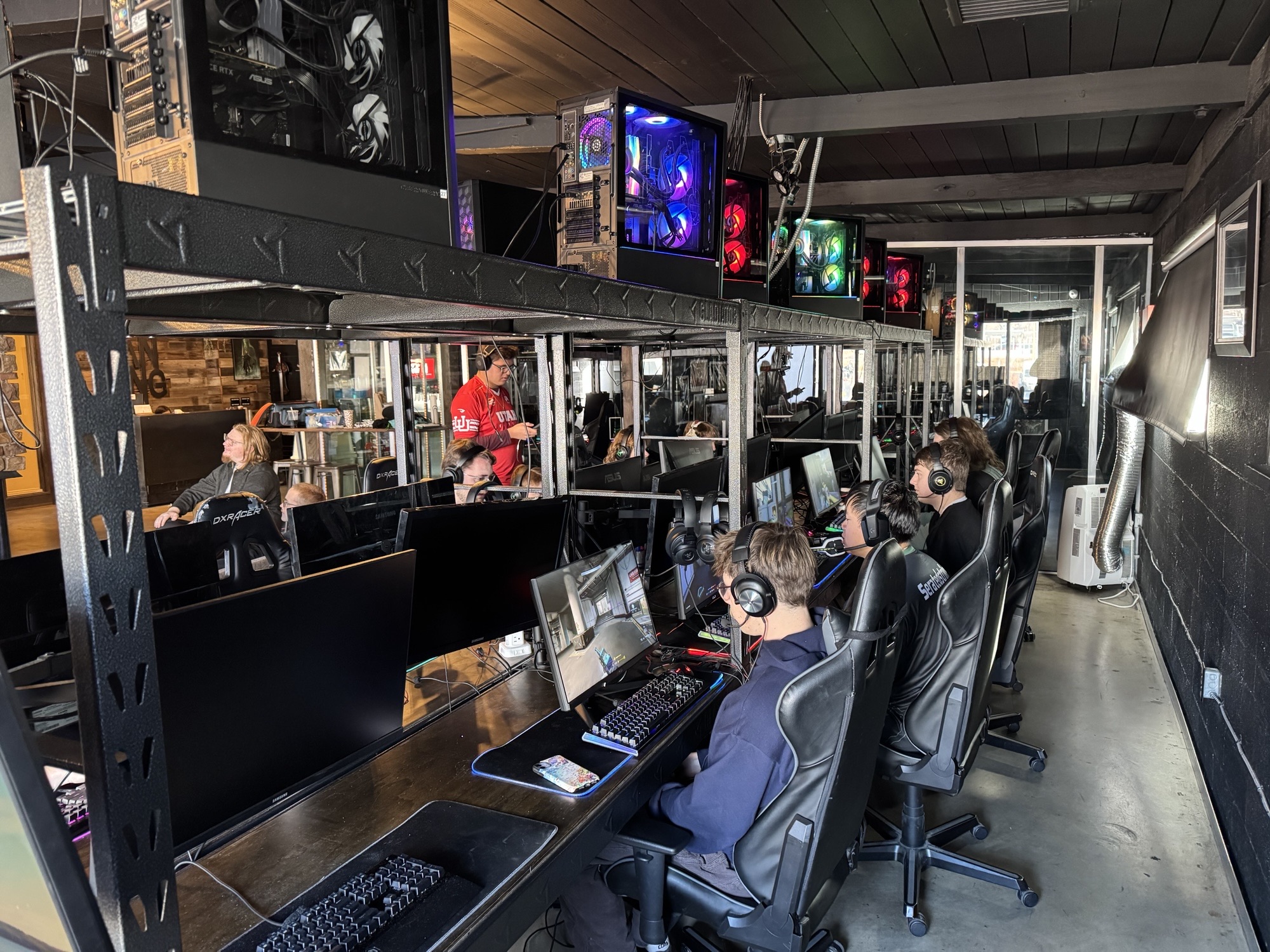
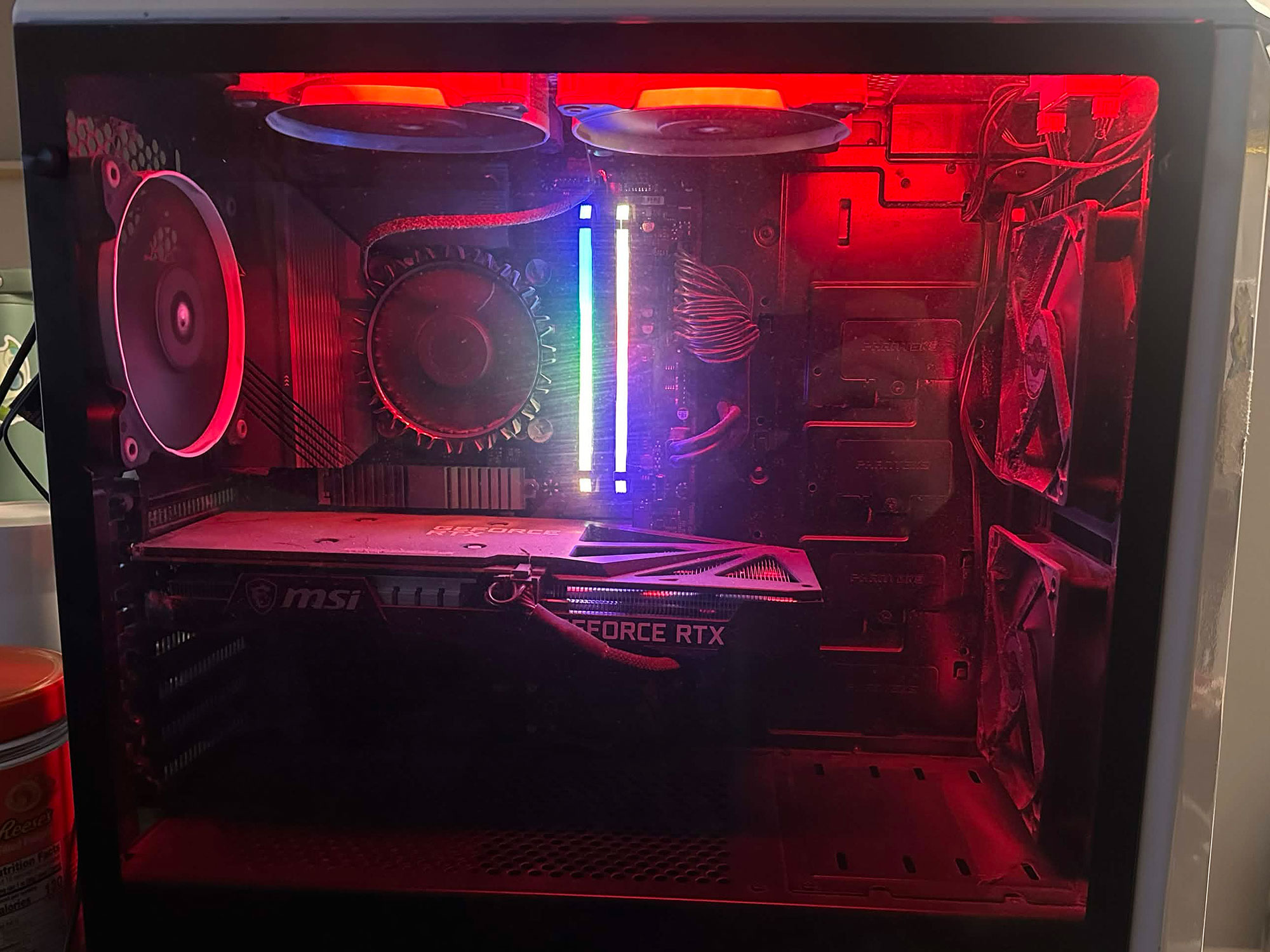
Even after scholarships returned, the program continues to face structural challenges. One of the biggest is the lack of a dedicated space. Currently, players compete remotely, often from home, using their own equipment.
“I think the main thing … is an actual physical space for us to play our games,” Norris said.
Sosa said larger decisions about the program’s future remain unresolved, particularly regarding where esports will be housed within the college. The program is expected to move out of athletics, but its long-term home and resources to keep it going remain undecided.
“That determines the funding and budget model … for future spaces, future computers,” Sosa said.
Without that decision, long-term stability remains uncertain.
A growing industry
The uncertainty at SLCC comes as college esports expand rapidly nationwide. More than 280 colleges now support esports programs, with more than 16,000 student-athletes and tens of millions of dollars in scholarships available annually, according to industry data.
At SLCC, however, the program operates with fewer resources than many of its counterparts. Sosa said other schools have invested heavily in dedicated facilities and infrastructure.
Still, he says SLCC remains competitive in terms of player skill and community.
Looking ahead
For many students, esports are about more than scholarships and competition — it’s a central part of their college experience.
“It’s made doing college a lot more enjoyable,” Norris said.
Players described the program as a source of community, leadership development and personal growth. Smith said his experience as a team captain helped him build communication and leadership skills that extend beyond gaming.
While funding has been partially restored, the future of SLCC esports depends on pending decisions.
Sosa said the program’s long-term success will rely on whether the college commits consistent resources and recognizes esports as more than a casual activity.
“We’re hoping to be taken seriously as a program,” Sosa said.
For now, players continue to compete, not because stability is guaranteed, but because the program offers something they are not willing to lose.
As Smith put it, “there’s no downside to being on the esports team … It’s a pure winning situation.”