While most students spend spring break relaxing, a group of Salt Lake Community College students uses the week to serve communities and learn about social issues across the United States.
The Alternative Break program allows students to travel, volunteer and reflect on challenges such as housing inequality, environmental responsibility and food insecurity.
This spring, students participated in three experiences: Habitat for Humanity in Denver, Colorado; Public Lands Stewardship in Zion National Park, Utah; and Hunger and Food Insecurity in Las Vegas, Nevada.
Each trip connected students with real-world social issues, offering learning opportunities beyond the classroom.
Building homes and understanding housing inequality
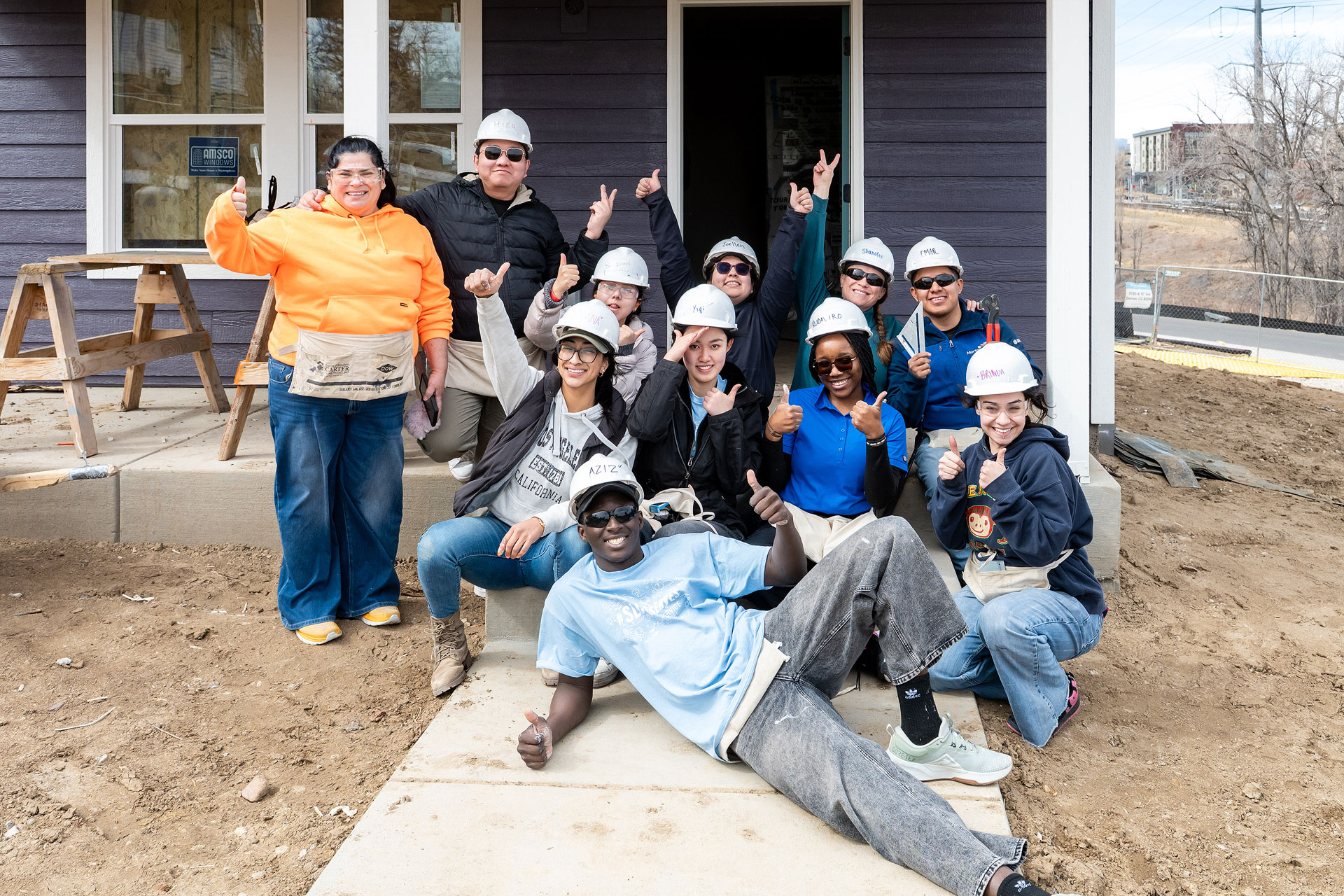
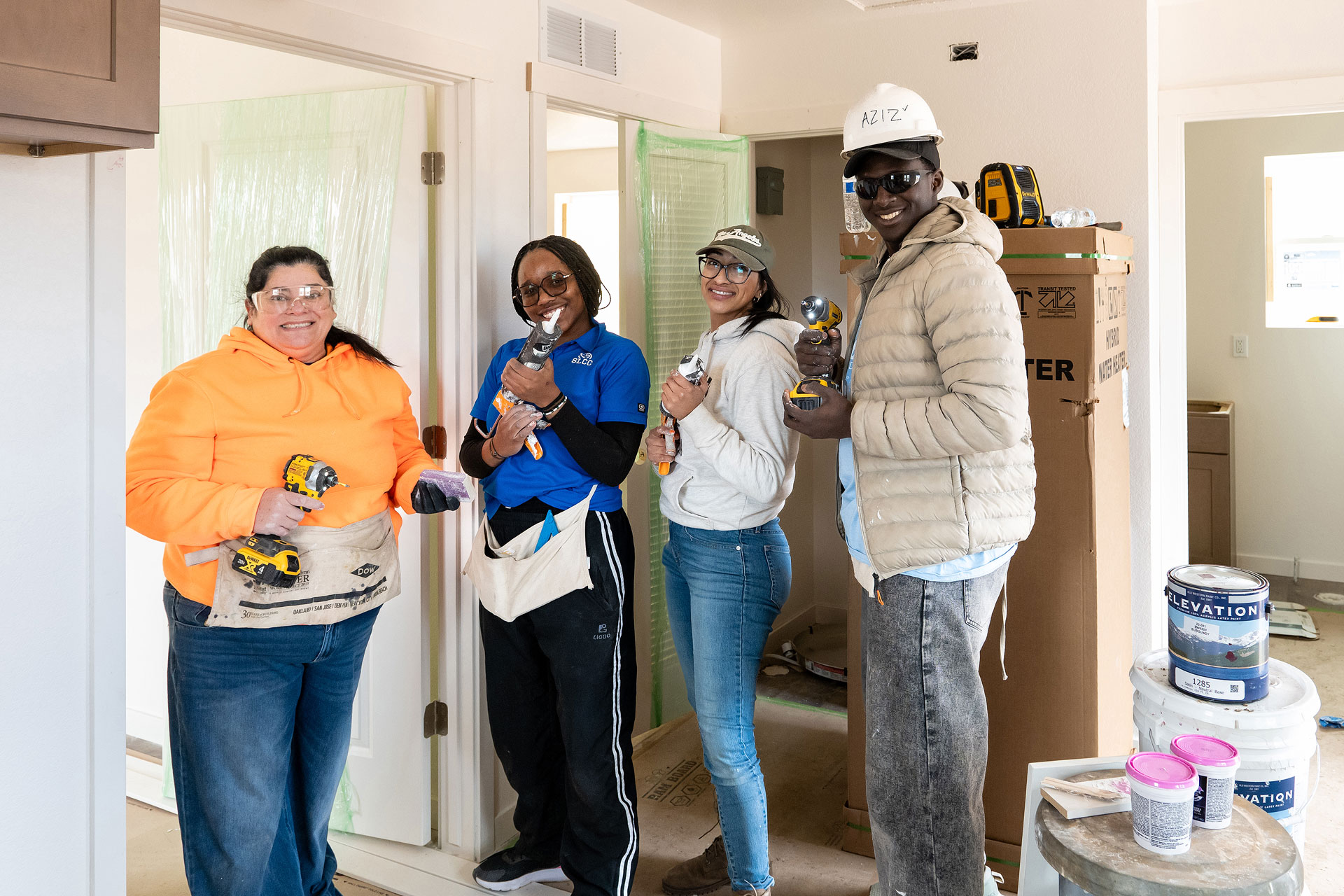
At Habitat for Humanity in Denver, students explored the issue of housing poverty and the lack of safe, affordable housing. Participants learned how the organization supports low-income families through homeownership programs and access to essential household items such as furniture, beds and appliances.
Students also engaged in service projects that helped them better understand the challenges many families face and the importance of stable housing in building stronger communities.
“As an international student, this experience meant a lot to me and is something I truly value,” said Rudaviro Dzenga, a pre-science student. “Volunteering with Habitat for Humanity helped me see housing from a different perspective. It’s easy to overlook something like stable housing, but this experience reminded me that it is a basic necessity that many families still struggle to access.”
Dzenga also emphasized the sense of community built during the trip.
“I was able to form meaningful connections with the people I traveled with. Through our conversations and shared experiences, we learned a lot from each other,” she said.
Protecting public lands through service
In Zion National Park, students participated in the Public Land Stewardship project, which focuses on environmental education and service. Through hands-on work, students learned about the responsibility for preserving natural spaces.
The project showed students ways of protecting public lands and how people can take an active role in conservation efforts.
Addressing hunger and food insecurity
In Las Vegas, students examined how government shutdowns and funding gaps affected food assistance programs such as SNAP. They volunteered at local food banks to better understand barriers to food access and the realities faced by vulnerable communities.
This experience helped students see how policy decisions impact real-life challenges related to food insecurity and access to food assistance programs.
The Alternative Break program is organized by the Thayne Center for Student Life, Leadership and Community Engagement. Throughout the week, participants learned about social issues, took part in service projects, and reflected on how they can continue making a difference.
Peer leaders play a key role in each experience. They spend a semester planning logistics, organizing activities and guiding participants, building skills such as communication, organization and teamwork.