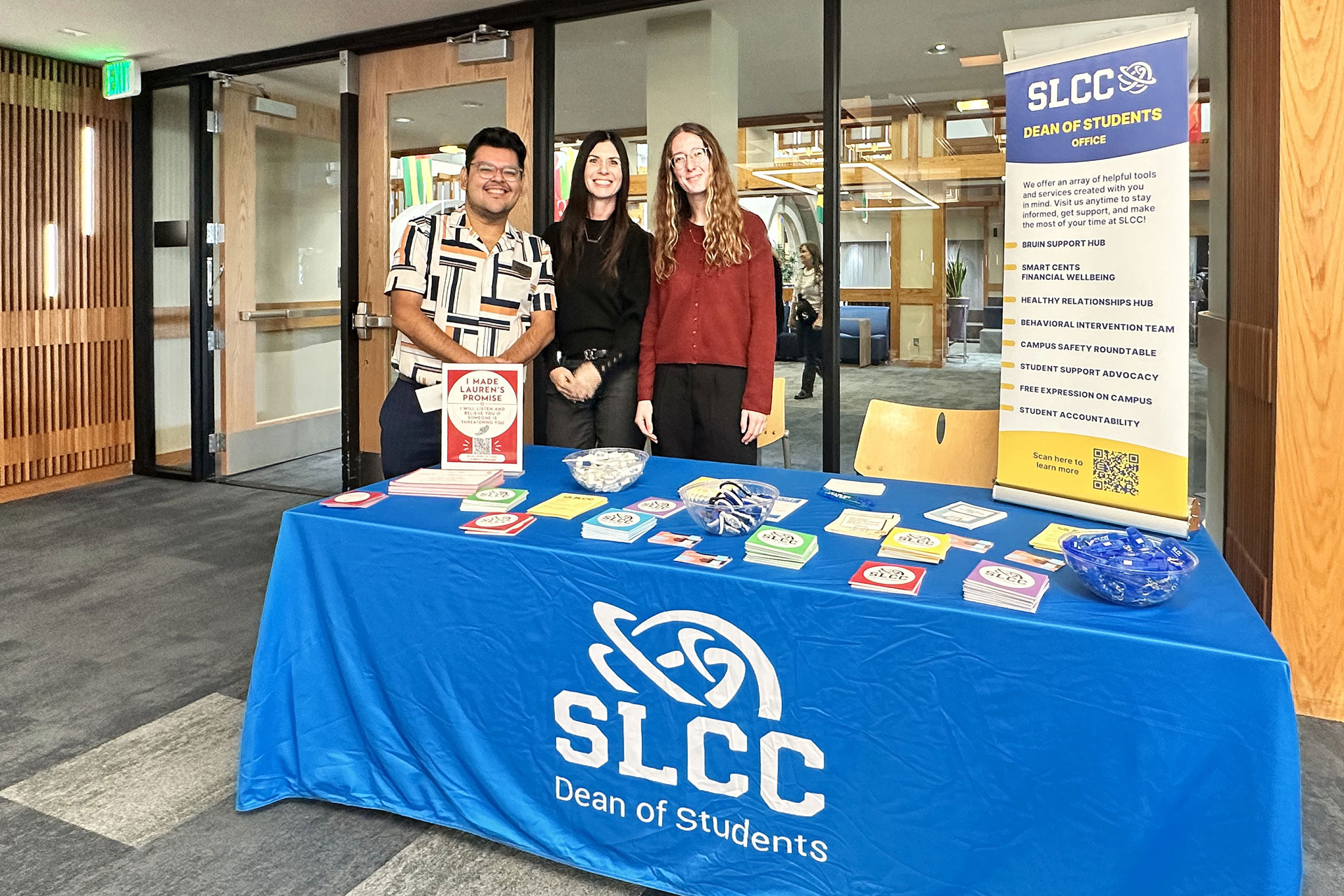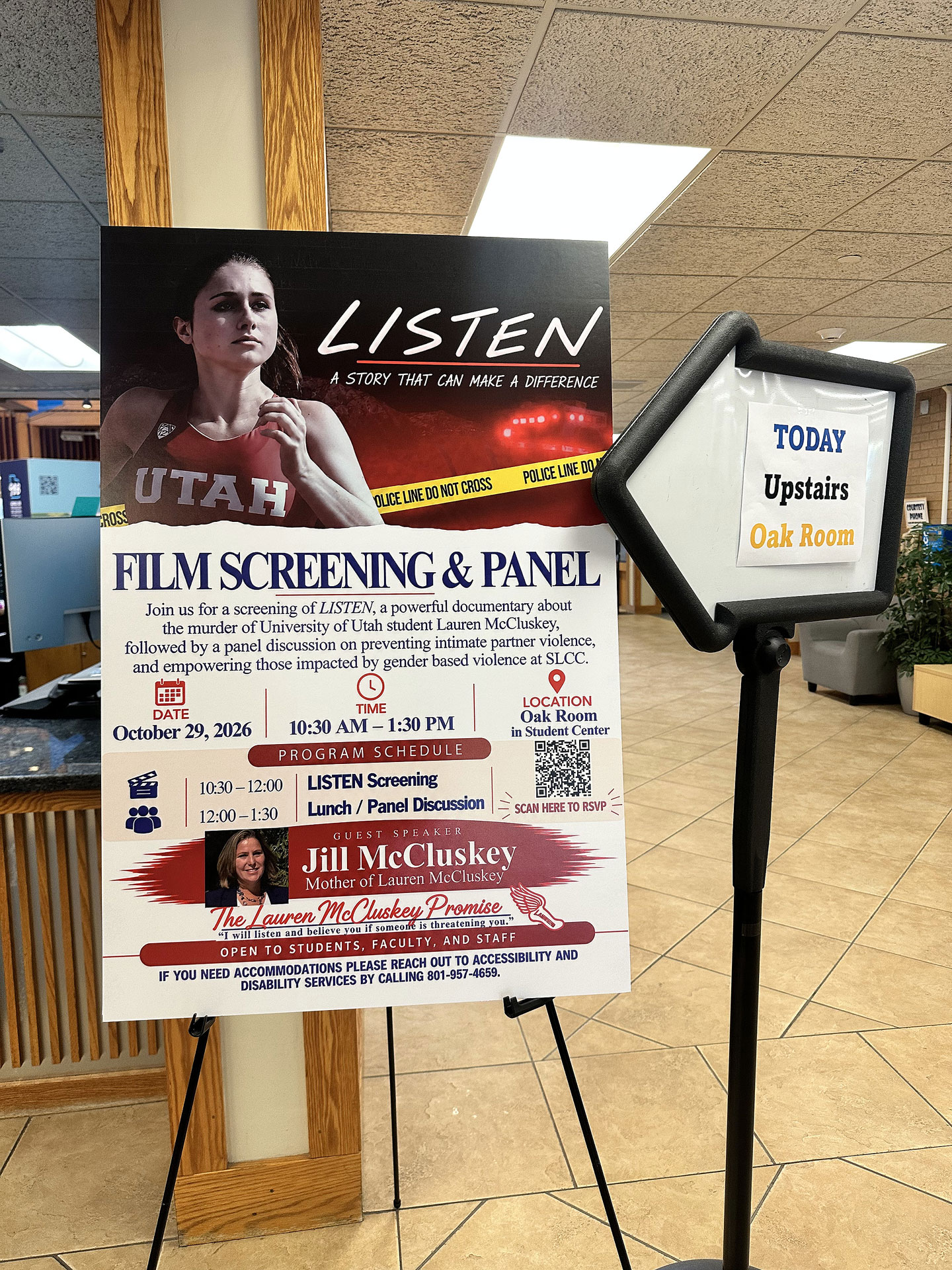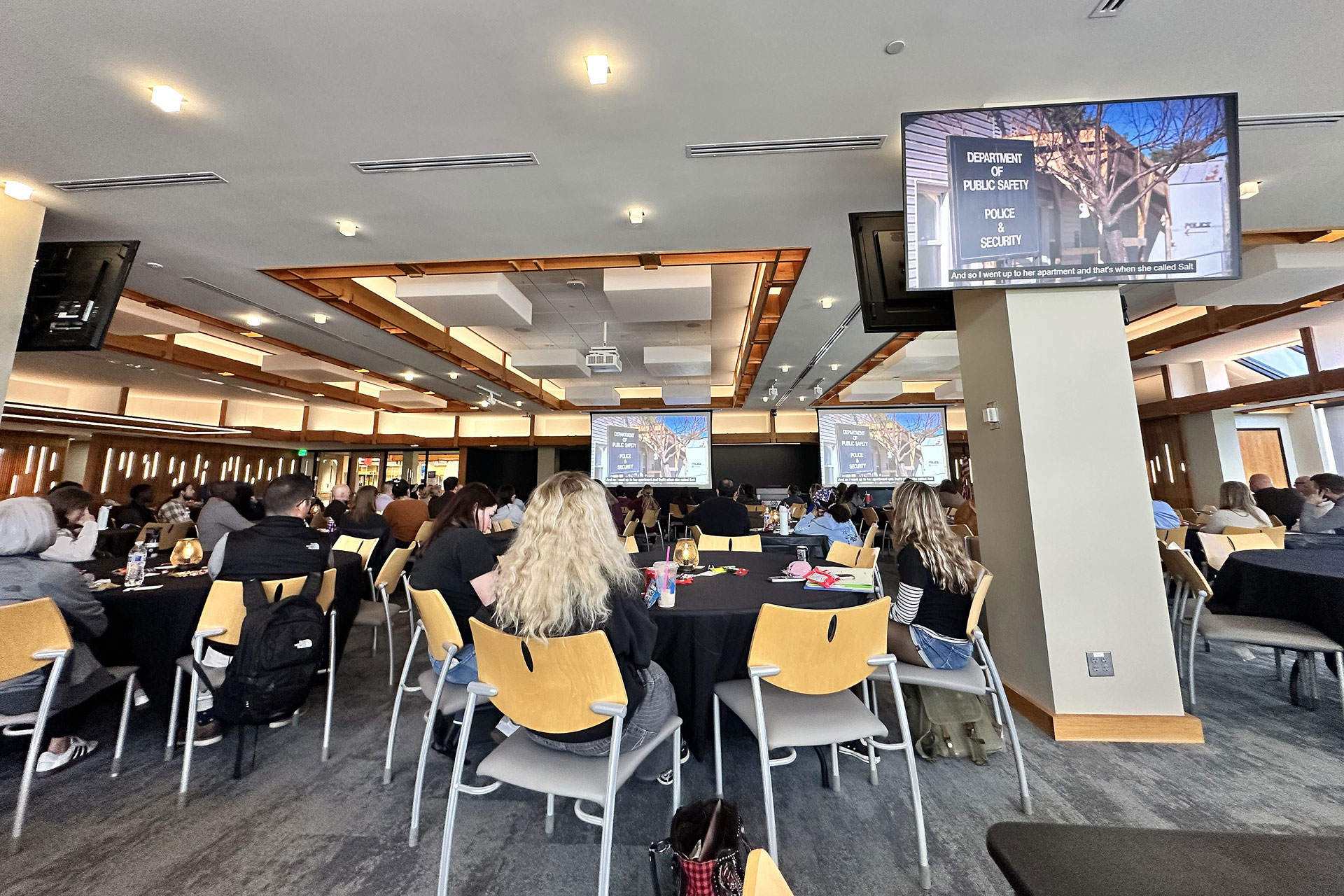
Eight years after the death of University of Utah student Lauren McCluskey, Salt Lake Community College hosted a screening of the documentary “Listen,” followed by a panel discussion on Oct. 29, to raise awareness about campus safety, relationship violence and stalking.
The Lauren McCluskey Foundation works to create safer environments for students and staff by providing resources and encouraging institutions to respond effectively to potentially dangerous or life-threatening situations.
The 90-minute documentary tells McCluskey’s story and the circumstances surrounding her death in 2018. It also highlights the efforts of her family, friends and foundation to prevent similar tragedies.
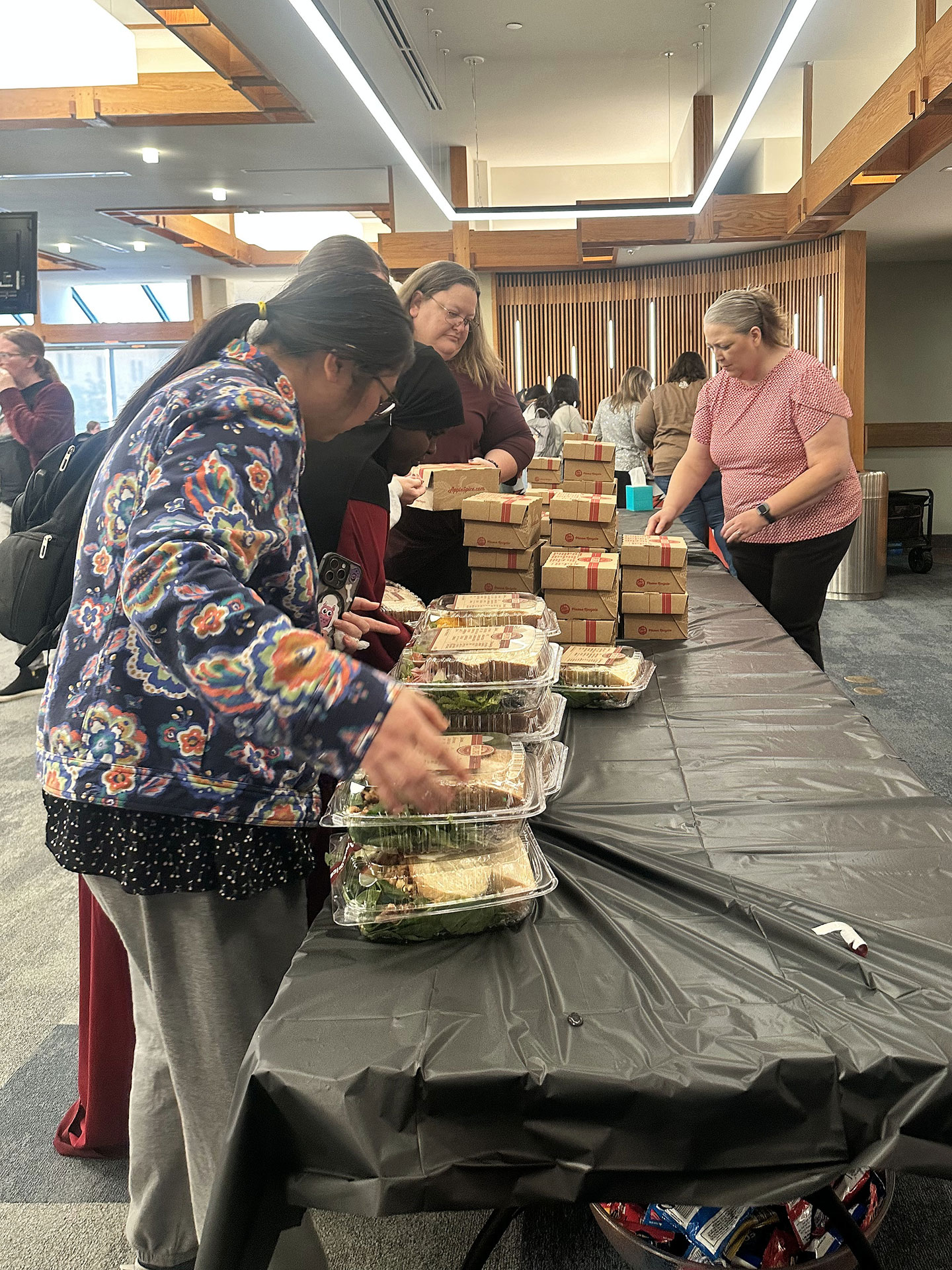
A break between the screening and the panel discussion allowed students and staff to have lunch and prepare questions about campus safety.
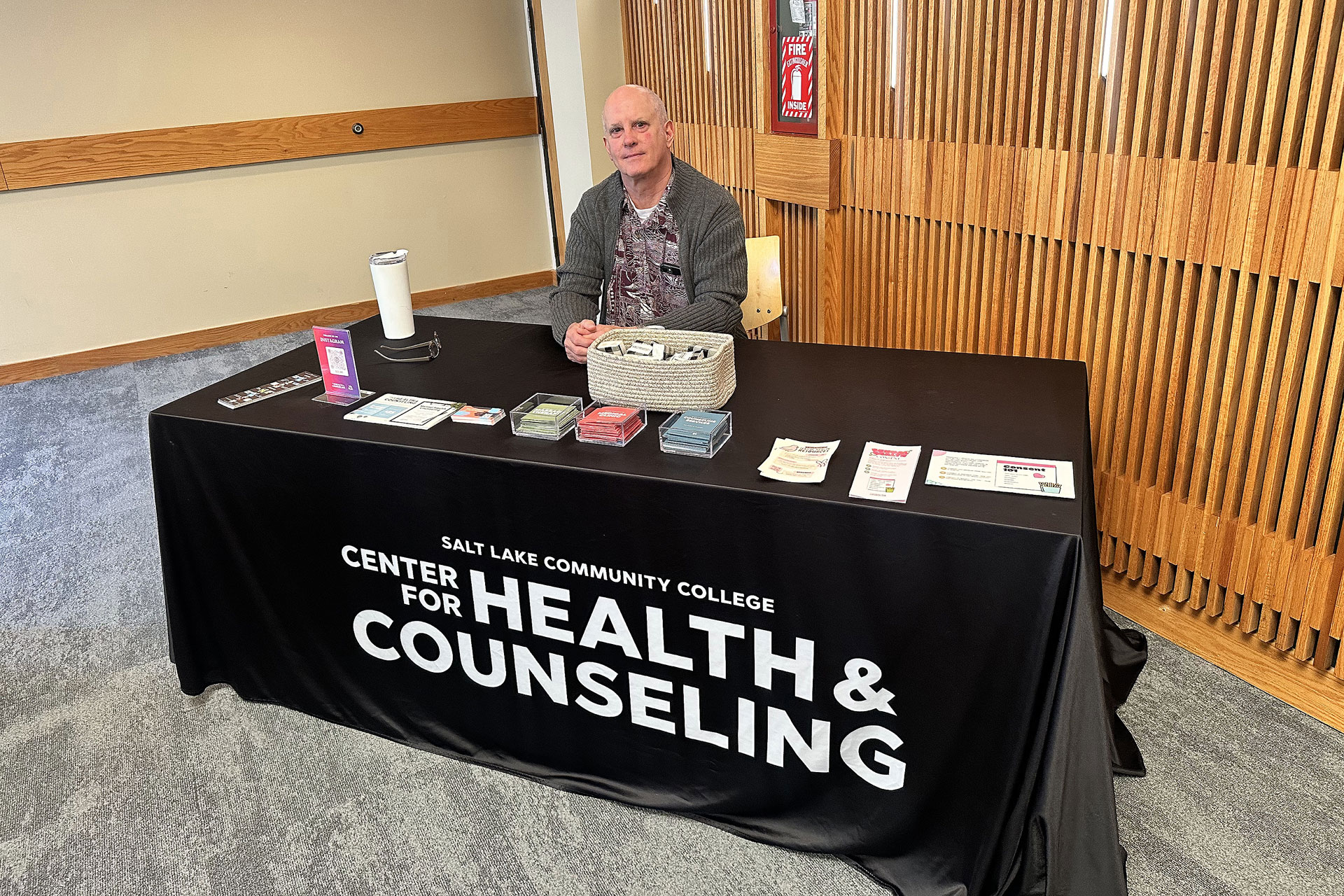
The college also provided health and counseling services for students with concerns or who needed additional support.
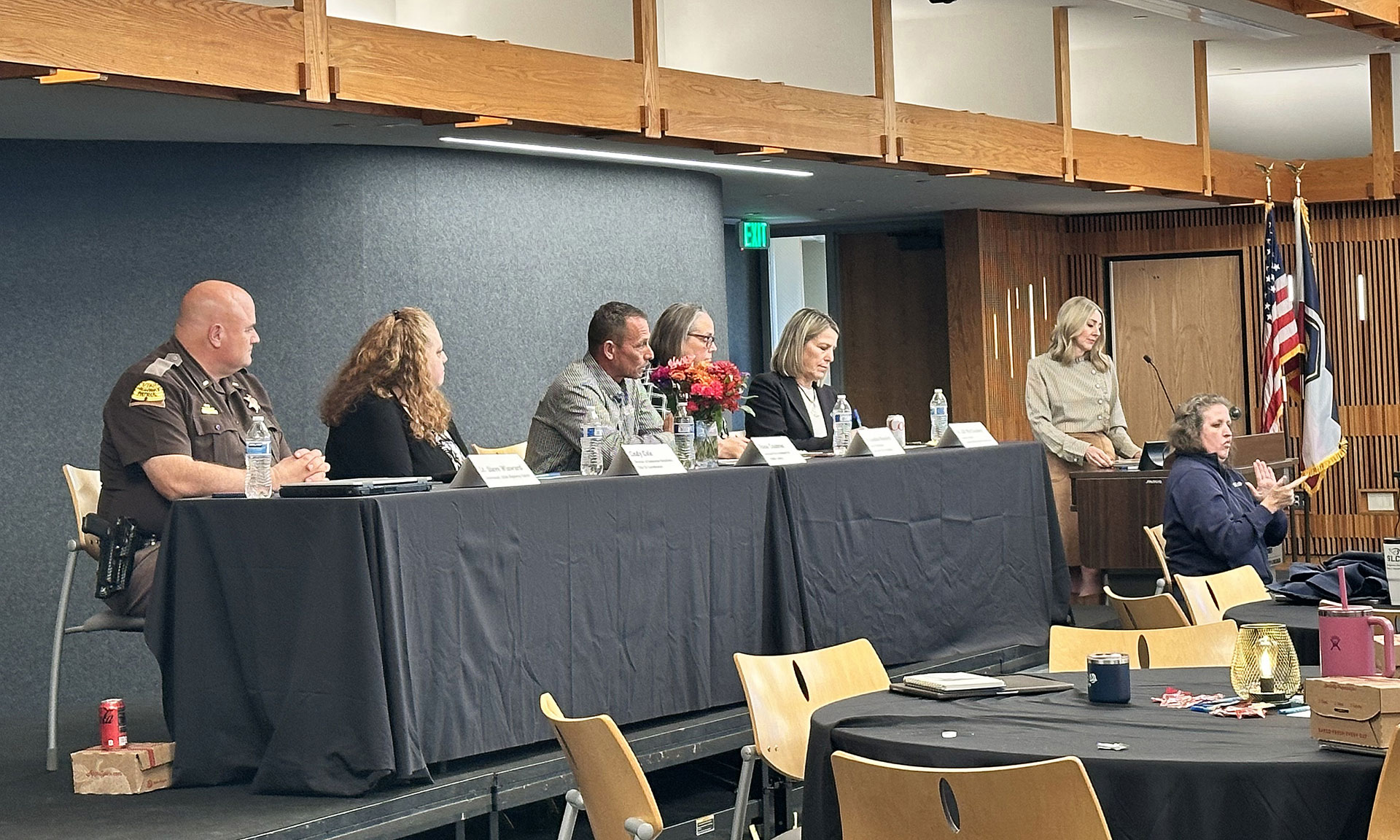
The panel included Candida Mumford, dean of students; Cindy Cole, Title IX coordinator; Shane Crabtree, associate vice president of public safety; Utah Highway Patrol Lt. Steven Winward; and Jill McCluskey, Lauren McCluskey’s mother and co-founder of the Lauren McCluskey Foundation.
Building a model of prevention
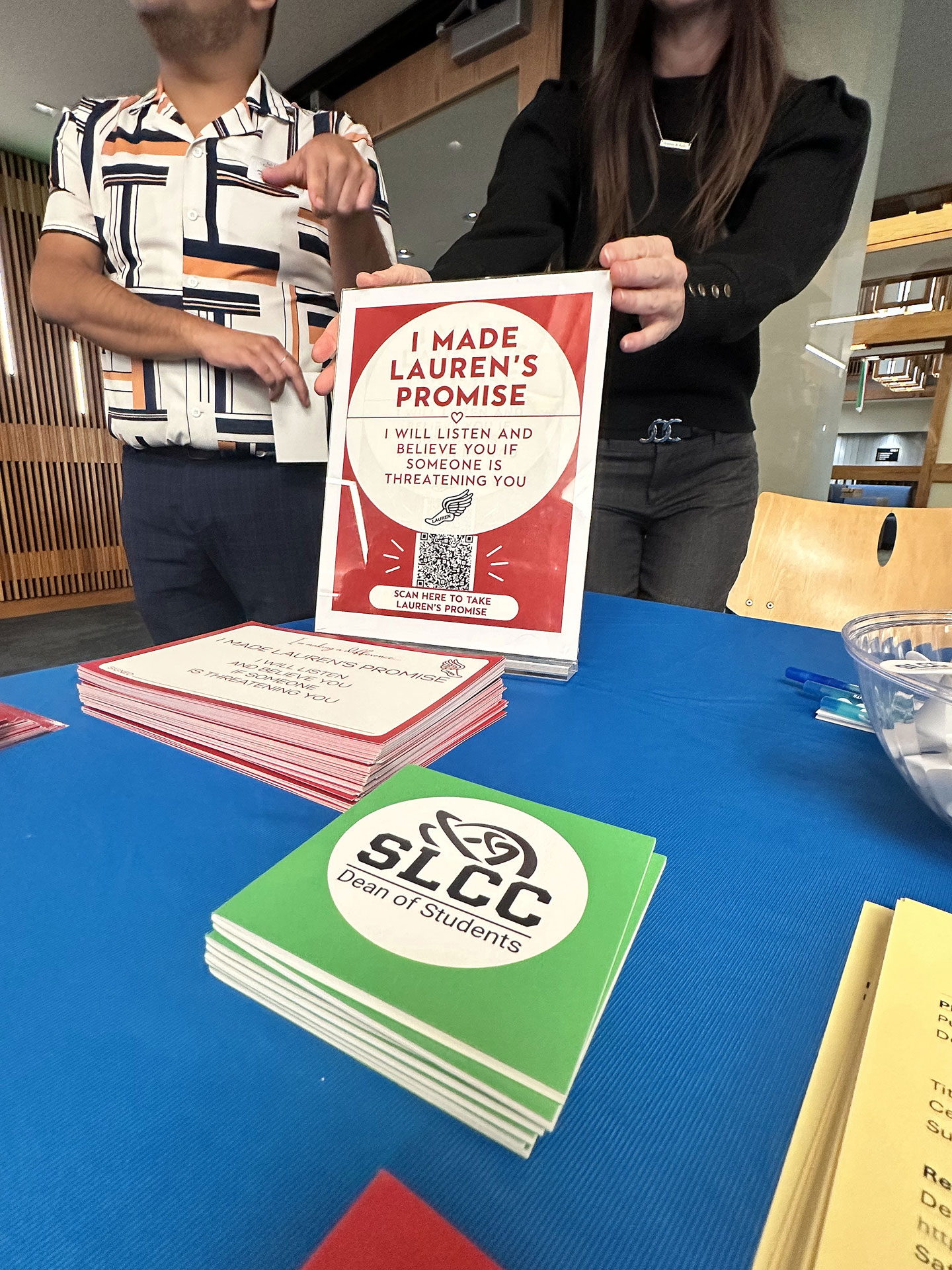
During the discussion, Jill McCluskey emphasized the importance of increasing awareness about relationship violence and stalking. She spoke about Lauren’s Promise, an initiative that works with experts to provide guidance, resources and better practices for victims.
Jill McCluskey said the foundation’s most positive impacts include changing people’s mindsets and improving the policies and systems designed to protect students.
“I’ve had so many young women come up to me and say that because they’ve heard Lauren’s story, that they left an abusive relationship,” Jill McCluskey said.
She also said law enforcement officers have told her they approach their jobs differently after learning about her daughter’s case.
One of the foundation’s main goals is to expand its reach. According to Jill McCluskey, the foundation has worked with more than 400 institutions nationally and internationally and continues to expand Lauren’s Promise. The foundation also focuses on campus safety scores, which use data to measure a campus’s safety.
“We also want to expand and have adopted our campus safety score so that, for example, when you are looking at a college, when both students and their parents are considering a college, they consider that campus safety score, that they are doing the things that they should be doing,” Jill McCluskey said.
Connecting students to resources
Panelists also discussed the importance of reporting concerning behavior, even when a person at risk may not feel comfortable coming forward.
“Inform us when you see something that’s going on that maybe a victim may not want to come forward. Give us the opportunity to help where we can,” Crabtree said.
Crabtree also emphasized the importance of nonverbal communication, which can help identify when a student may be experiencing a difficult or dangerous situation.
He explained that SLCC’s collaboration between departments strengthens communication and encourages staff members to hold one another accountable when responding to student concerns.
The event underscored the importance of awareness, communication and collaboration in helping students recognize warning signs and access support before situations become more serious.
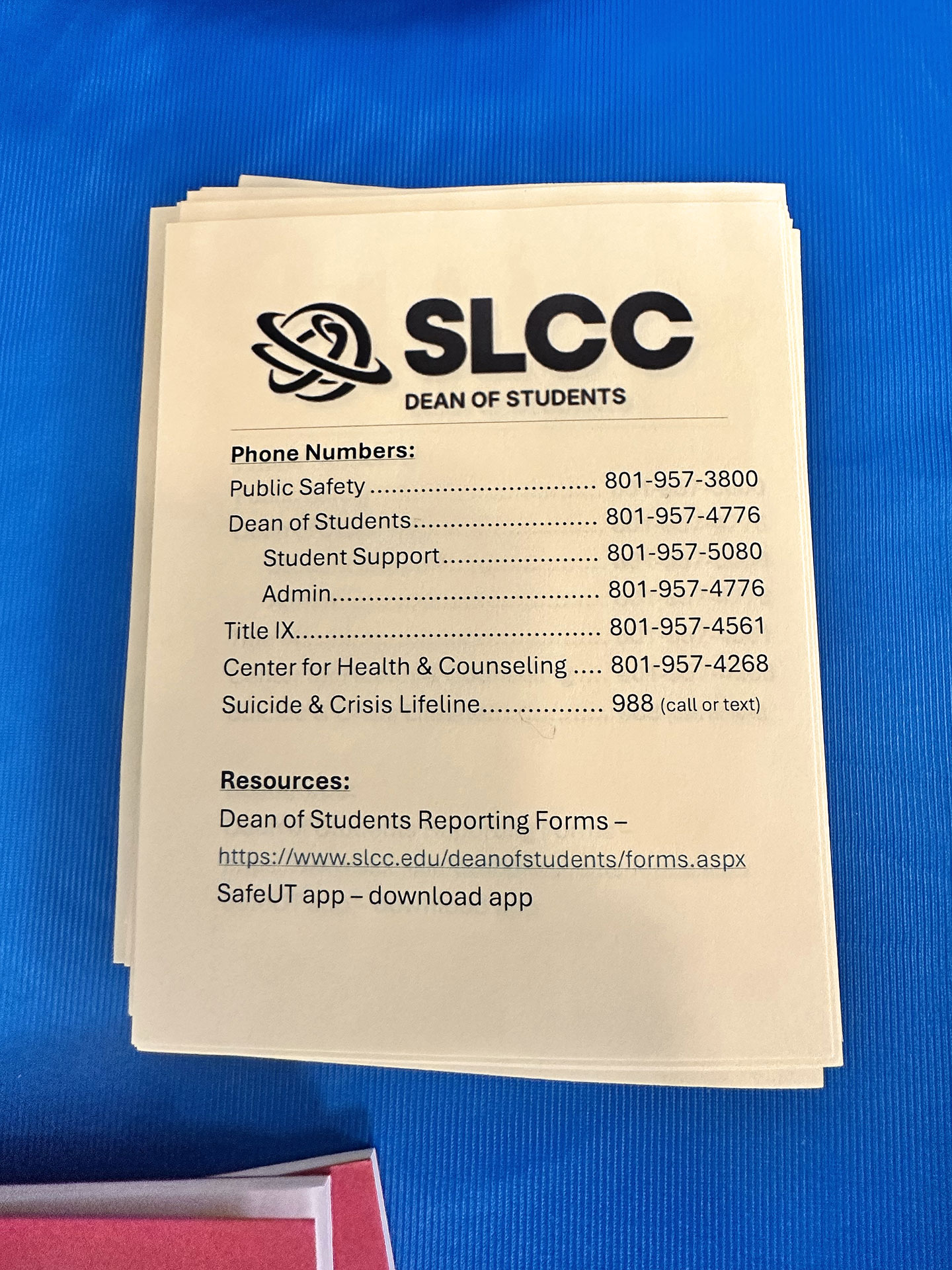
Cindy Cole, Title IX coordinator, outlined resources available to students. She said students can submit reports through the SLCC website. Depending on the situation, the response may involve connecting the student counseling services, safety planning with the Utah Highway Patrol or academic support.
Cole also expressed the importance of protecting students from retaliation after reporting sexual harassment, sexual assault, dating violence, domestic violence or stalking.
Mumford said SLCC takes all reports seriously and works to prevent students from having to repeat their experiences to multiple departments. She said the college takes time to understand each situation and identify the appropriate person or department to provide support.
Mumford acknowledged that the Dean of Students Office may not always have an immediate answer, but the office can help students connect with the appropriate resources and follow up to make sure they receive the support they need.
“If you’re ever at a loss for, ‘okay, what do I do with this?’ the Dean of Students Office is a great resource to help with that,” Mumford said. “I joke around sometimes that we’re like air traffic control. We help people get to the right place. So even if we’re not necessarily the right one to intercede, we can help connect the student with the right resources.”
Trust was another key topic during the discussion.
Panelists emphasized that building relationships with students before a crisis occurs can make it easier for them to reach out when they need help. Attending campus events, connecting with students and maintaining communication between departments are some of the ways SLCC works to establish those relationships.
Recognizing warning signs
The panel encouraged students to pay attention to unusual changes in their friends’ behavior, including isolation, changes in personal hygiene or other signs that someone may be struggling.
Panelists discussed warning signs of unhealthy relationships, including stalking, excessive texting, monitoring someone’s location and other behavior that makes a person feel unsafe.
The panel mentioned SafeUT as a resource for students seeking help or reporting safety concerns. They encouraged students to provide contact information, when possible, to help staff gather additional details and follow up more effectively.
SLCC is also developing resources in partnership with the McCluskey Center for Violence Prevention at the University of Utah to educate students about consent, personal boundaries and how to recognize unhealthy patterns in relationships.
Additional support and crisis resources
Salt Lake Community College counselors can help students recognize signs of unhealthy or abusive relationships, provide support and referrals, and connect them with community resources when additional assistance is needed.
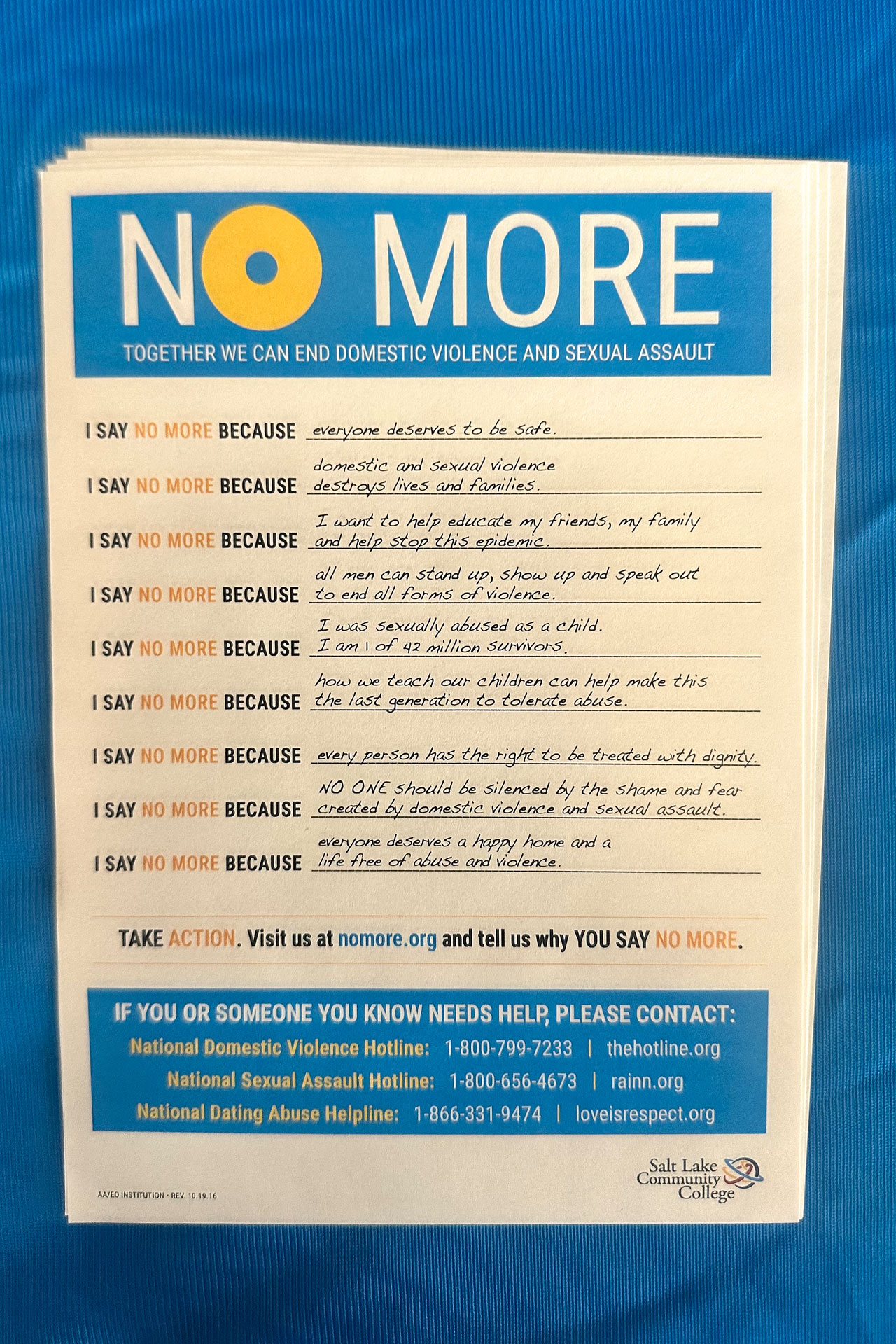
If you or someone you know is experiencing relationship violence, help is available 24 hours a day, seven days a week:
Utah Domestic Violence Link Line: 1-800-897-LINK (5465)
Utah Rape & Sexual Assault Crisis Line: 1-888-421-1100
SafeUT Crisis Line: Text or call 833-372-3388