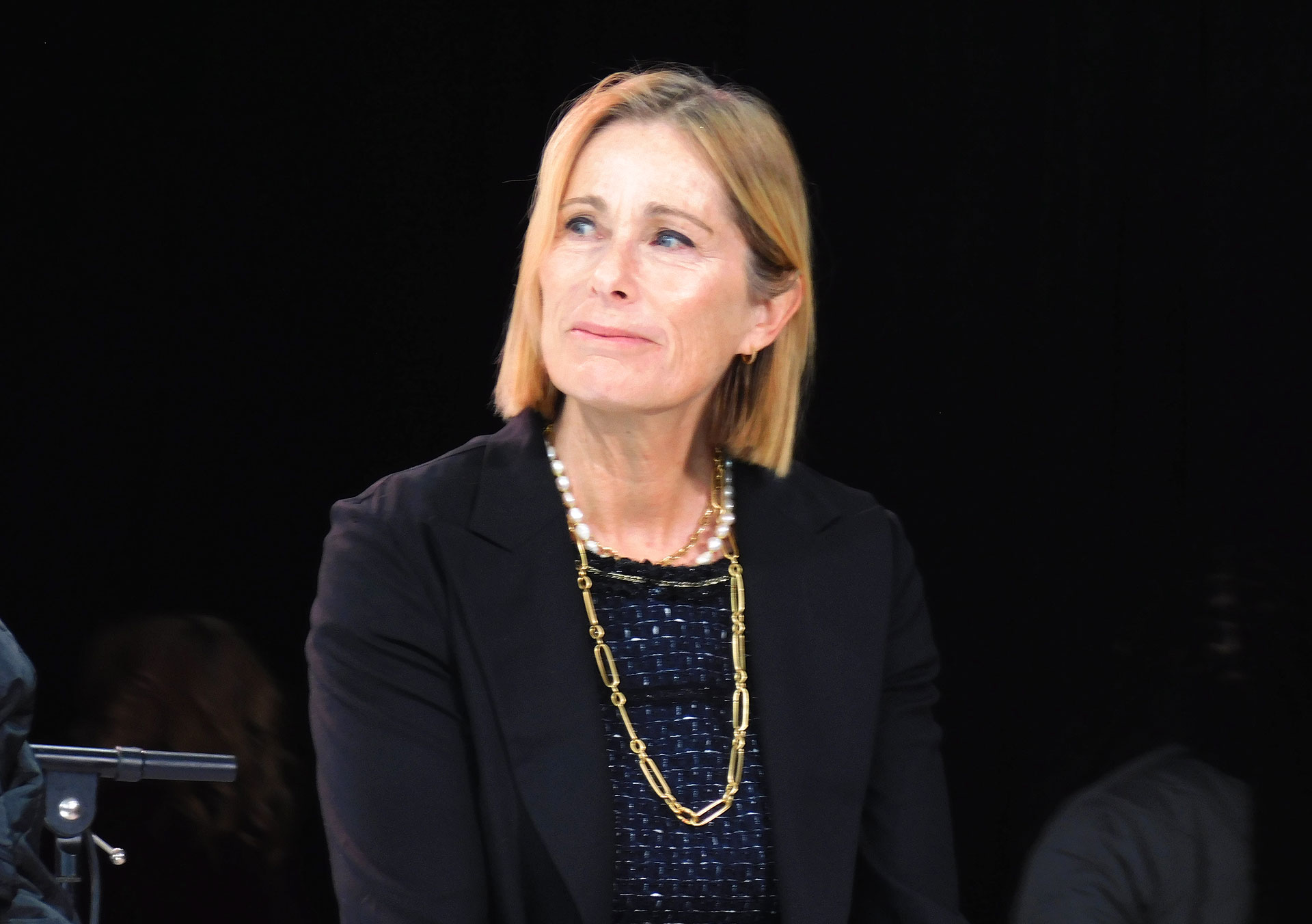
Tamra Davis has built a prolific, wide‑ranging career with nearly 100 directing credits, from music videos for Depeche Mode and Sonic Youth to films like Billy Madison, episodes of TV series including Empire, and her 2010 Sundance documentary, “Jean-Michel Basquiat: The Radiant Child.”
But in her latest film, “The Best Summer,” which premiered at the 2026 Sundance Film Festival, Davis crafts a documentary that plays more like a DIY home video than the polished work she’s known for.
Davis said she never intended to make a documentary during the Summersault Tour, which spanned from late 1995 to early 1996. The footage resurfaced decades later, when she found a stack of HI8 tapes while packing during evacuation orders in the 2025 Malibu wildfires.
Watching, nearly 30 years after she shot them, Davis said it felt “like finding files from inside my own brain,” moments she didn’t remember recording. “I really felt like yes, it was my memory, but I also felt like it was a collective lost memory,” she said. “I just really feel like we lost this time.”
She said what struck her most was the joy she saw.
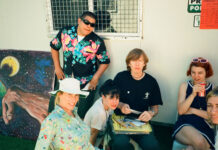
“I just saw how happy we all were — this precious moment when all the bands were together, and all the bands were alive,” she said. “We were kind of having this summer camp experience.”
Unscripted intimacy
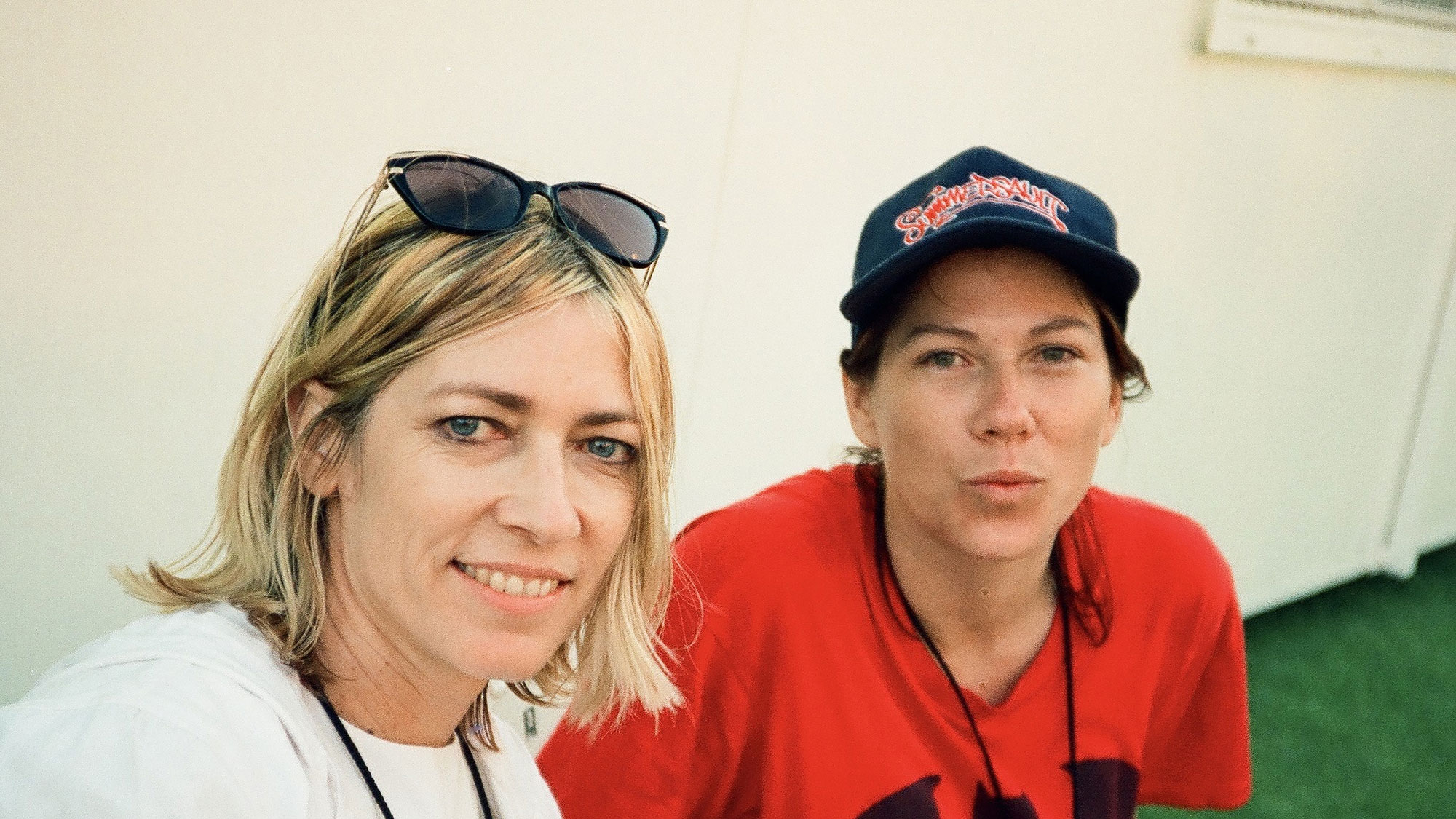
Fresh off directing “Billy Madison,” Davis was often “the girl with the camera” and someone the musicians already trusted. Traveling with her husband, Mike D of Beastie Boys fame, and having shot videos for several of the bands on the tour, she arrived with many friendships already in place.
“I feel like that’s what was really amazing,” she said. “I had this very unique access because these people were also my friends.”
That intimacy is part of why Davis chose to keep the footage largely unedited.
“I really wanted to leave in all those strange little life moments,” Davis said. “Like [Foo Fighters’] Pat Smear, who just does the most incredible guitar solo that I’ve ever seen — I can’t take my eyes off him, he’s a rock god. And then you’re backstage with him, and he’s doing the laundry.”
The power of independent storytelling
Davis went into this project with independent filmmaking in mind, so she self-funded the film.
“I really tried to make it truly independent,” she said. “I’m not opposed to working with corporate media; they can be fantastic. But corporate media means you’re producing corporate media.”
Davis explained that this story belonged to the artists in the movie.
“I didn’t want to give [corporate] notes to the band,” she continued. “I wanted the band to give me a note. I wanted to work back the pure way of like — ‘hey [Sonic Youth’s] Kim Gordon, how do you like this movie? Will you support it? I’ll listen to what you have to say creatively, and it’s ours.’”
That dedication to keeping the film independent made Sundance feel like a good fit.
“I’m so grateful for places like Sundance that really support independent filmmaking and put my little film in … and let it find its audience,” said Davis. “Just my screening … people really connected to it because it was different. It wasn’t corporate media. It was personal. It’s authentic.”
Watching the film again, Davis noticed how driven she was even three decades earlier.
“I look back at myself in my early thirties and think, wow — how tenacious was I?” She continued, “… I gave myself a goal, and I really did it.”
“What’s your motto?”
Flipping the script, I asked the same question Davis asked the artists during that summer … What’s your motto?
“I really like the last line in, ‘Somewhere Over the Rainbow’ — ‘Why, oh why can’t I?’” she said. “You know, as a female filmmaker, I’m just always like, why can’t I do it?”
Related reading: Sundance review: Reliving ‘The Best Summer’ three decades later