The film opens with a scene of the 2025 Malibu fires that forced evacuation orders on nearly 200,000 residents. While packing to leave, director Tamra Davis discovered a box of old videotapes containing hours of footage of what she called “The Best Summer,” the catalyst for the documentary.
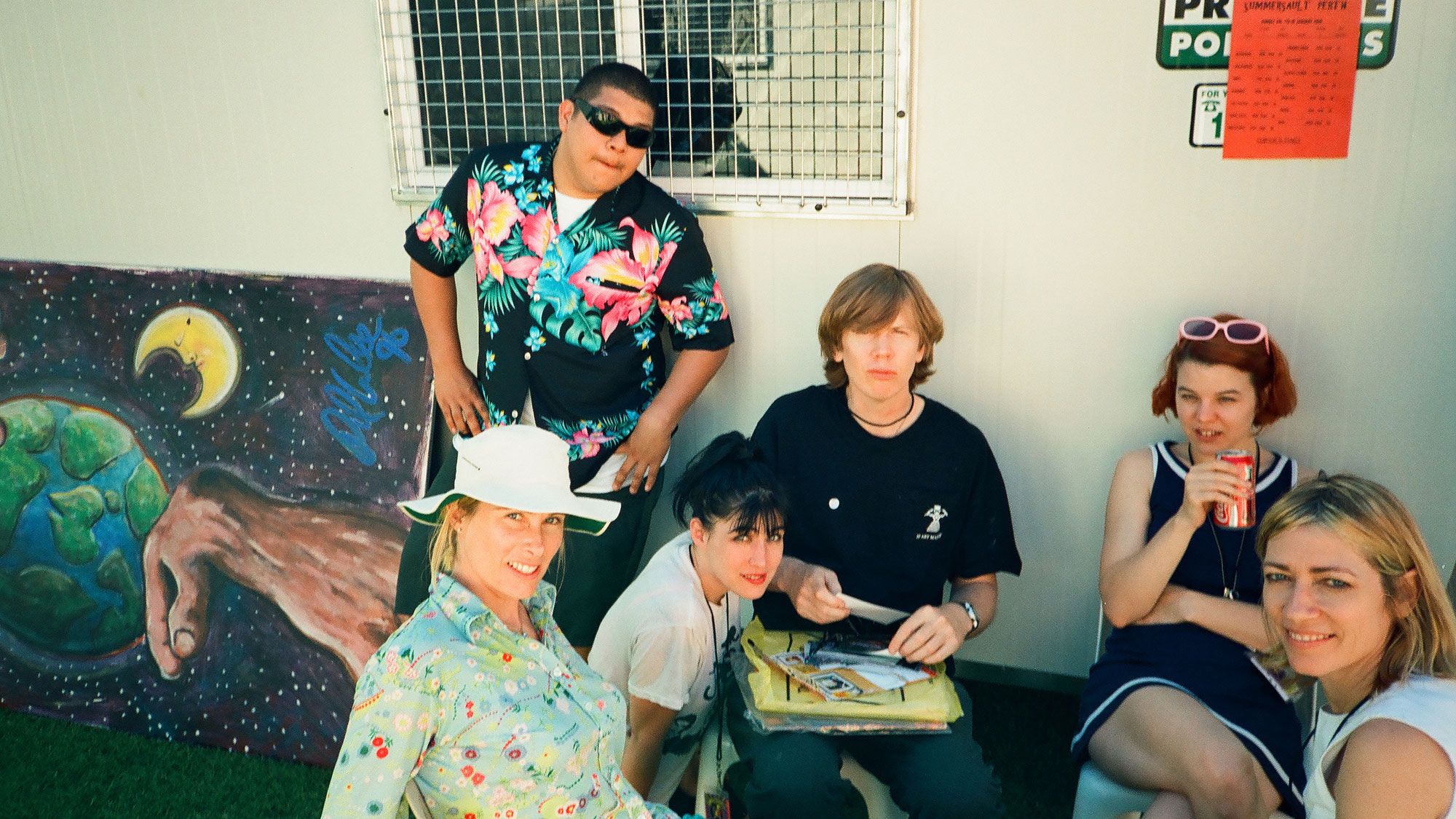
Within minutes, the film pulls viewers into the 1995 alternative rock scene during the Summersault festival, where they remain rooted for the next 90 minutes — equipped with a backstage pass. The tour was packed with names like Bikini Kill, Sonic Youth, Foo Fighters, Beastie Boys and Beck.
While viewers are treated to long doses of raw musical performances (Sonic Youth’s iconic “Bull in the Heather” is played in its almost full distortion-filled glory), it’s the moments after the crowds go home that drive the film.
Davis, equipped with a Hi8 camcorder, stays behind the lens. Joined by punk band Bikini Kill’s frontwoman Kathleen Hanna, they interview other artists on tour during their downtime, where musicians often talk about stage personas and insecurities around fame and performing.
“Two bossy girls”

Davis and Hanna sat for a brief Q&A during an ASCAP Café event at the Sundance Film Festival, where the documentary debuted. Davis said at the time, she had no plans to do anything with the footage.
Hanna said Davis approached her that summer with a camera, saying, “Let’s go film stuff.”
“We [Davis and Hanna] were just like two … a little bit bossy girls,” said Davis. “We just had fun.”
Whether in hotel rooms, on festival lawns or poolside, Davis and Hanna made their rounds with a camera and questions in tow. Shift your focus to the background of the interviews, and you catch glimpses of real life peeking in.
You see Sonic Youth’s husband-and-wife duo, Kim Gordon and Thurston Moore, juggling tour life with their toddler; Foo Fighter Pat Smear offering to help with laundry; Davis and husband Beastie Boy, Mike D, sneaking in bits of vacation.
As this group of mainstream misfits travels across Australia and through Asia, they come off as remarkably human.
The slightly grainy and at times shaky shots, paired with the unfiltered sounds on stage, become a cultural time stamp, the kind of organic moment in music and community that simply can’t be replicated.