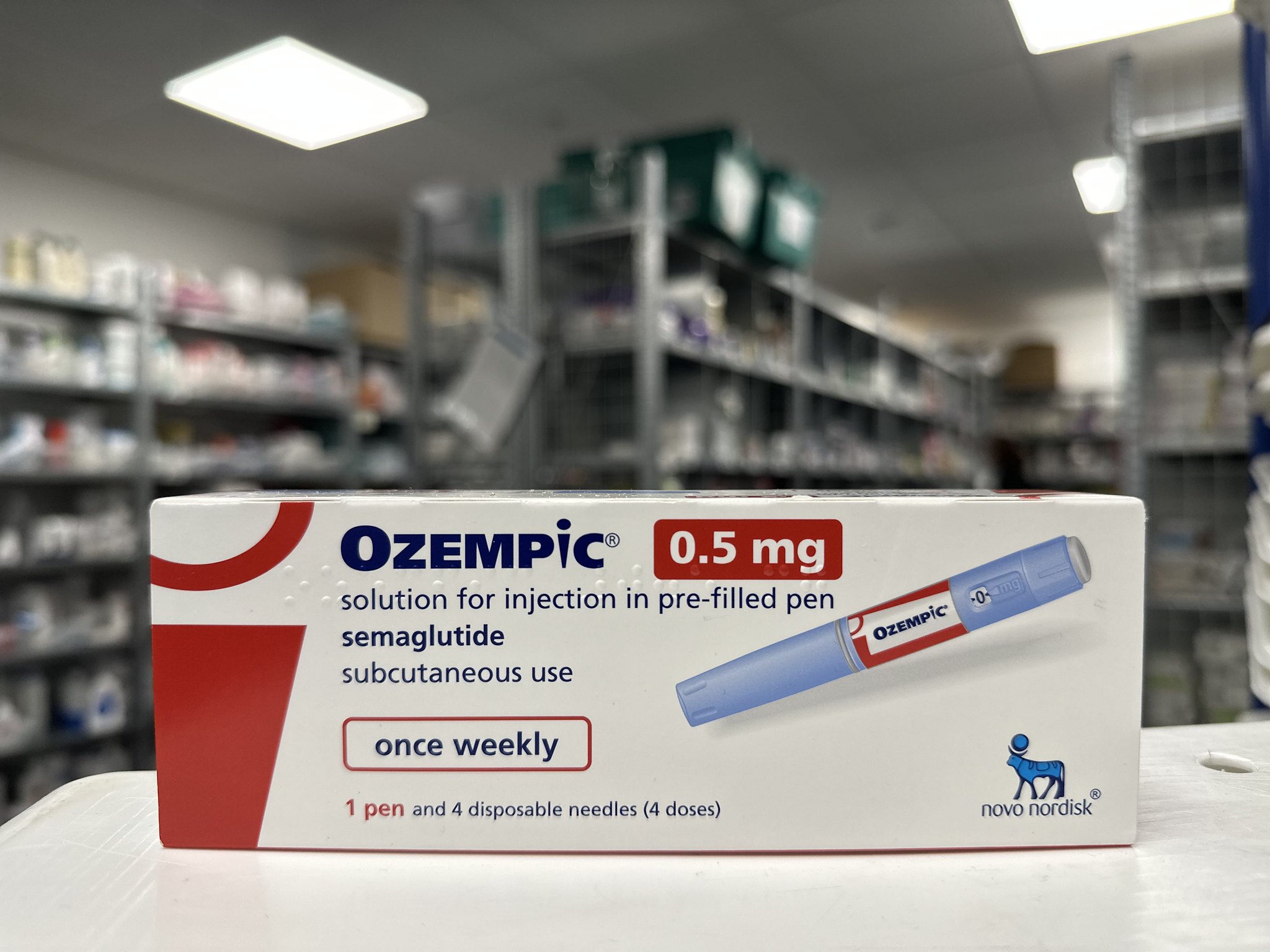
Student conversations about GLP‑1 medications like Ozempic and Wegovy are becoming more common at Salt Lake Community College, according to staff in student health services. The trend reflects national data showing a sharp increase in these drugs.
Growing student interest on campus
DaSheek Akwenye, senior director for student wellbeing at SLCC’s Center for Health and Counseling, said students are not only aware of the medications but are actively seeking information about them.
“We have seen patients come in specifically asking about these medications or wanting to learn more about the medications and impact on their overall health,” Akwenye said.
He pointed to multiple factors piquing interest, including social media exposure, celebrity influence, concerns about metabolic health and experiences with weight-based bullying.
However, Akwenye emphasized that GLP-1 medications should not be viewed as a quick solution for weight management.
“These drugs aren’t always a quick fix,” he said. “It’s important for anyone considering using these medications to seek and consult with a medical professional.”
National data shows surge in GLP-1 use
Originally developed to treat type 2 diabetes, the drugs are increasingly used for weight management and related metabolic conditions in young adults. Their rise has been rapid; a study published in The Journal of the American Medical Association found prescriptions for GLP-1 medications among people ages 18-25 increased nearly 600% between 2020 and 2023.
A national survey from the Kaiser Family Foundation found about 1 in 8 U.S. adults have taken a GLP-1 medication, with 6% currently using one. More than half of users reported difficulty affording the drugs, even with insurance.
Healthcare workers see both benefits and risks
While campus health professionals are seeing increased interest, those working in clinical settings describe a more complicated picture.
Bailey Paxman, a former SLCC nursing student and now an emergency room nurse, said her perspective has been shaped by her experience in patient care and medication management.
“In healthcare, you see both sides of it,” Paxman said. “You see patients who genuinely benefit … and you see how complex the factors behind weight and health really are.”
Paxman noted that some patients see significant improvements in health outcomes, particularly those with obesity-related conditions, difficult to manage through other interventions. However, she raised concerns about how the medications are being prescribed and monitored in some cases.
“A lot of companies are prescribing this medication without ever laying eyes on the patient,” Paxman said. “In my experience, most people are not as informed as they should be when starting these medications.”
Paxman pointed to short-term side effects such as vomiting, diarrhea, and gastrointestinal discomfort, as well as concerns about longer-term risks that are still being studied, including potential impacts on muscle mass and bone density.
“I would say probably yes, in some scenarios, they [GLP-1s] are being overused,” she added.
Lived experience: GLP-1s as chronic illness treatment
For some young adults, GLP-1 medications are not primarily about weight loss but about managing chronic illness.
Roma Jones, a high school educator, uses GLP-1 medication to manage polycystic ovary syndrome (PCOS). Jones said she spent years attempting to treat her condition before starting medication.
“I have been trying to figure out my PCOS for like a decade,” Jones said. “Every medication I tried failed … every natural way I tried would make slight improvements, but nothing significant.”
She said GLP-1 treatment led to noticeable changes in her physical symptoms and overall quality of life.
“The biggest one for me was body pain,” Jones said. “I didn’t feel extreme inflammation anymore.”
She also described changes in energy regulation and mood stability that she did not initially connect to her condition.
“I didn’t realize how intense my blood sugar highs and lows were,” she said. “As soon as I didn’t have what most people call ‘food noise,’ I realized I didn’t have extreme mood swings anymore.”
Jones said her experience highlights a gap between public perception and medical use of GLP-1 medications.
“There’s a lack of broad understanding around what people are taking it for,” she said.
She also noted that while the medications have been beneficial, access remains a significant barrier. Jones said she pays about $500 for a three-month supply out of pocket after researching lower-cost options.
“It is a reprioritization,” she said. “You have to adjust your finances.”
Controversial, but promising
Across campus and clinical settings, GLP-1 medications are viewed through different lenses; as a promising medical tool, a highly scrutinized weight-loss trend and a treatment shaped by access, cost and social perception.
While some users report meaningful improvements in chronic health conditions, healthcare workers caution that side effects and prescribing practices are not always fully understood or consistently managed.
At the same time, college health professionals emphasize the importance of medical guidance and individualized care as demand continues to grow.
As use expands among young adults, the conversation around GLP-1 medications appears to be moving beyond whether they work and toward who has access, how they are prescribed, and how their effects are understood both medically and socially.
At SLCC, that shift is reflected in the questions students bring to campus health staff.
Akwenye added that students can access medical appointments, counseling services, preventive screenings and other health resources through the Center for Health and Counseling.