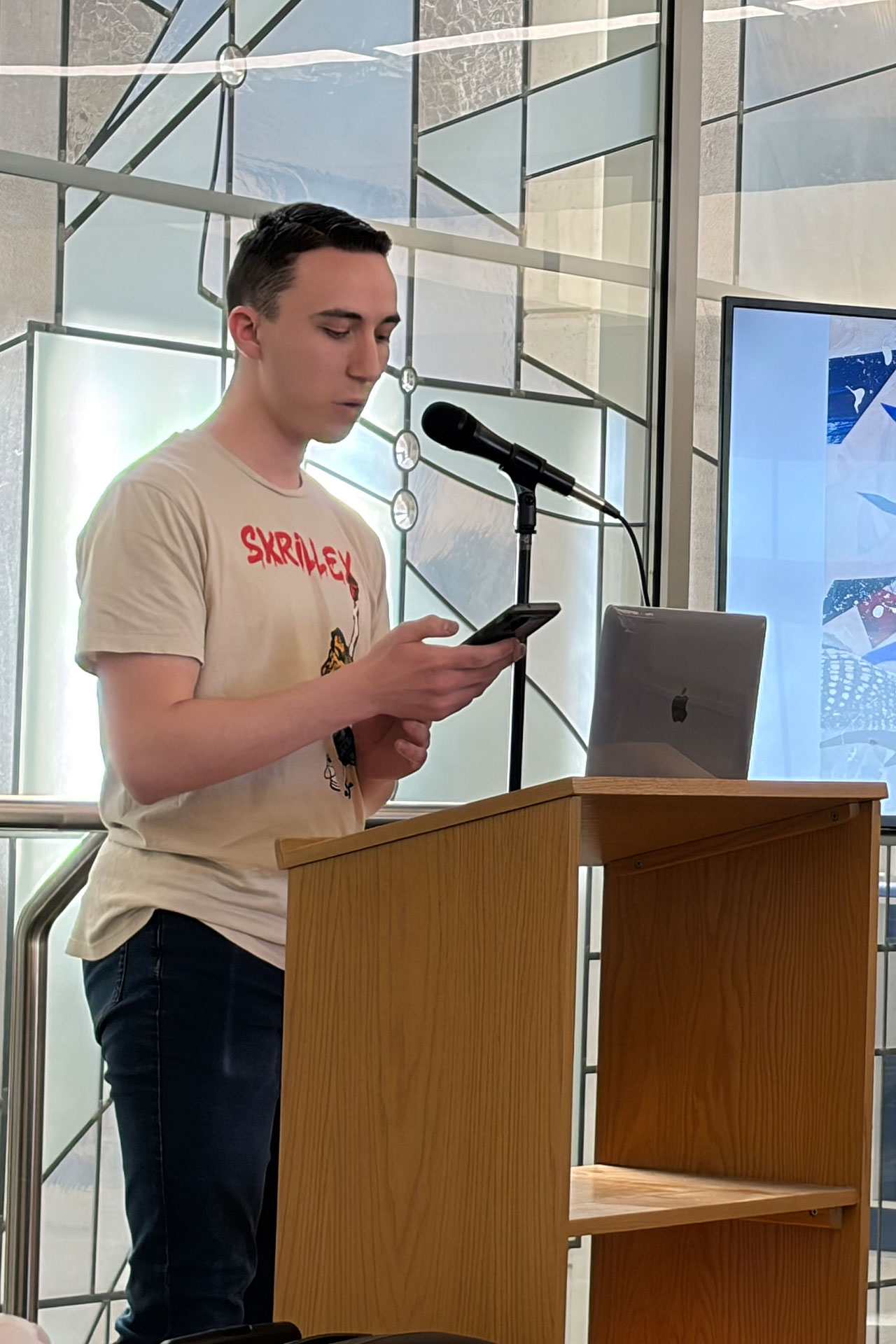
Salt Lake Community College’s poet laureate, Brenda Sieczkowski, is an associate professor and director of the Publication Center. Aside from teaching English courses, Sieczkowski oversees efforts to bring poetry to the community by inviting poets to SLCC to interact with students through open-mic poetry readings and other activities.
Sieczkowski said she has a deep appreciation for her role as SLCC’s poet laureate, a position she’s held since 2023.
What does a poet laureate do?
“To me, a poet laureate is like an ambassador to the country of poetry,” said Sieczkowski. “Poetry, in my view, is a country without borders … so with that I try to also focus on inviting community members and students to experience poetry in maybe an unconventional way.”
She frequently uses the Publication Center as a workshop space, allowing students to interact with poetry not just through reading but through crafting, workshops, Q&A’s and receptions with visiting poets.

Beyond her required duties, like selecting a student poem for commencement and curating poems for events like convocation, Sieczkowski said she uses the funds received from the poet laureate project to support activities and events that bring poetry to the community.
“For me, what that has looked like has been bringing in nationally recognized published poets, so that students can have that experience of reading someone’s poetry [and] interacting with them,” Sieczkowski said.
The funds also go towards providing free copies of the visiting poets’ work to students.
Building community through poetry
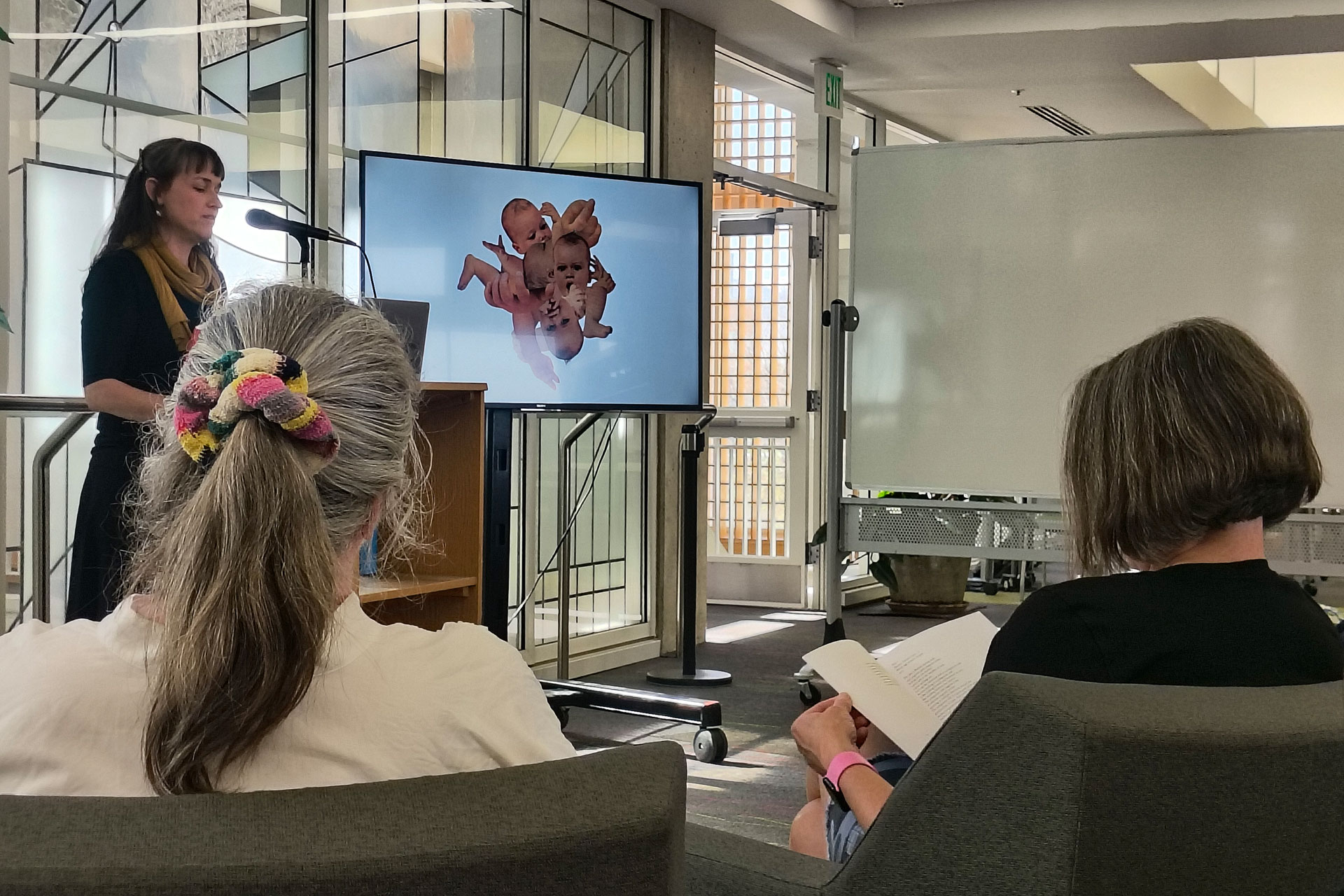
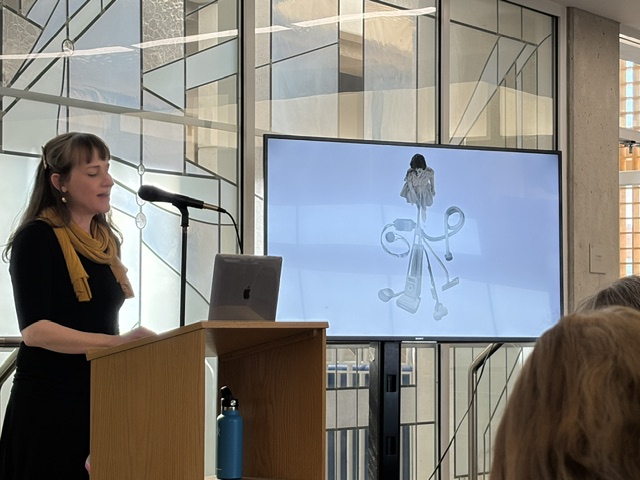
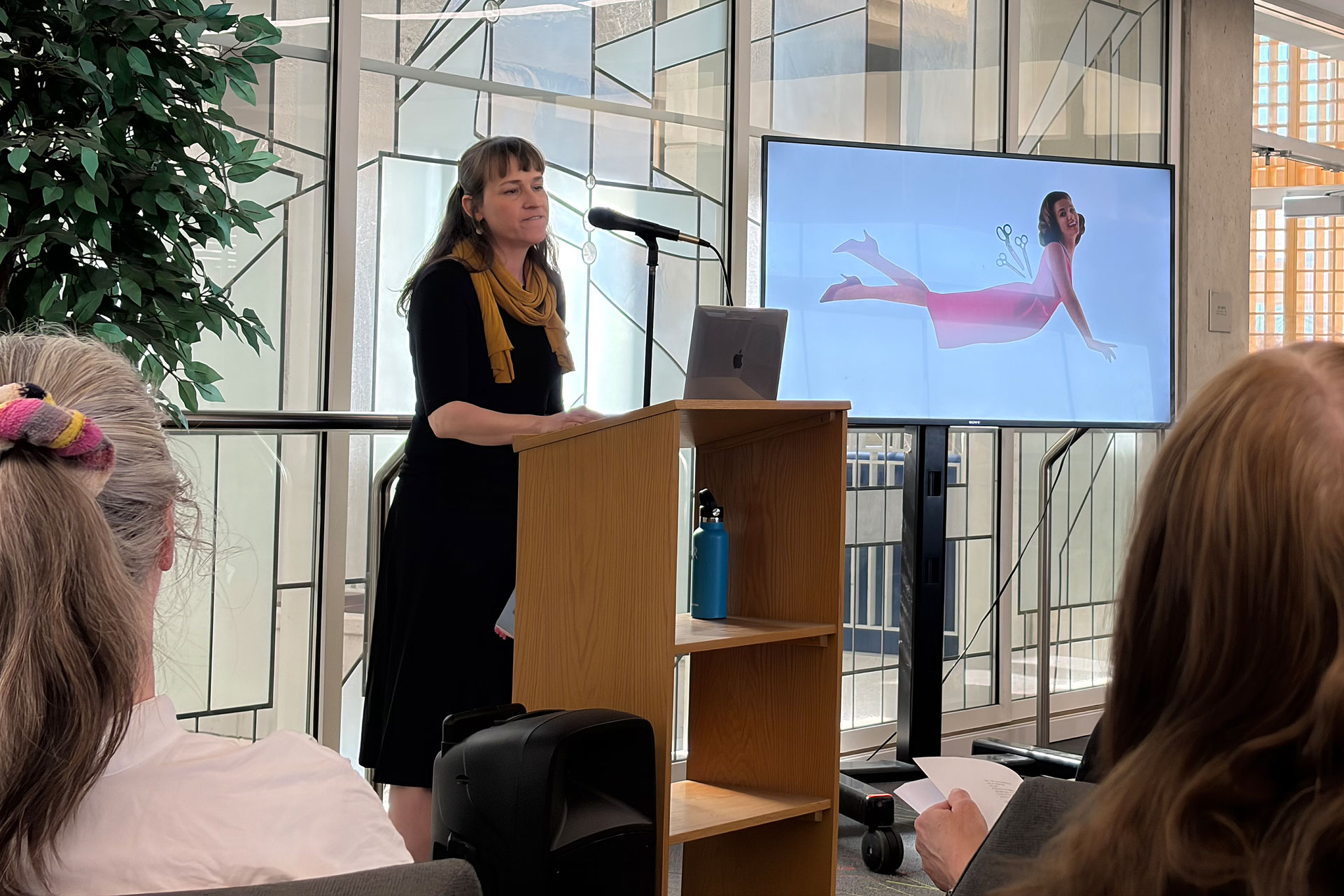
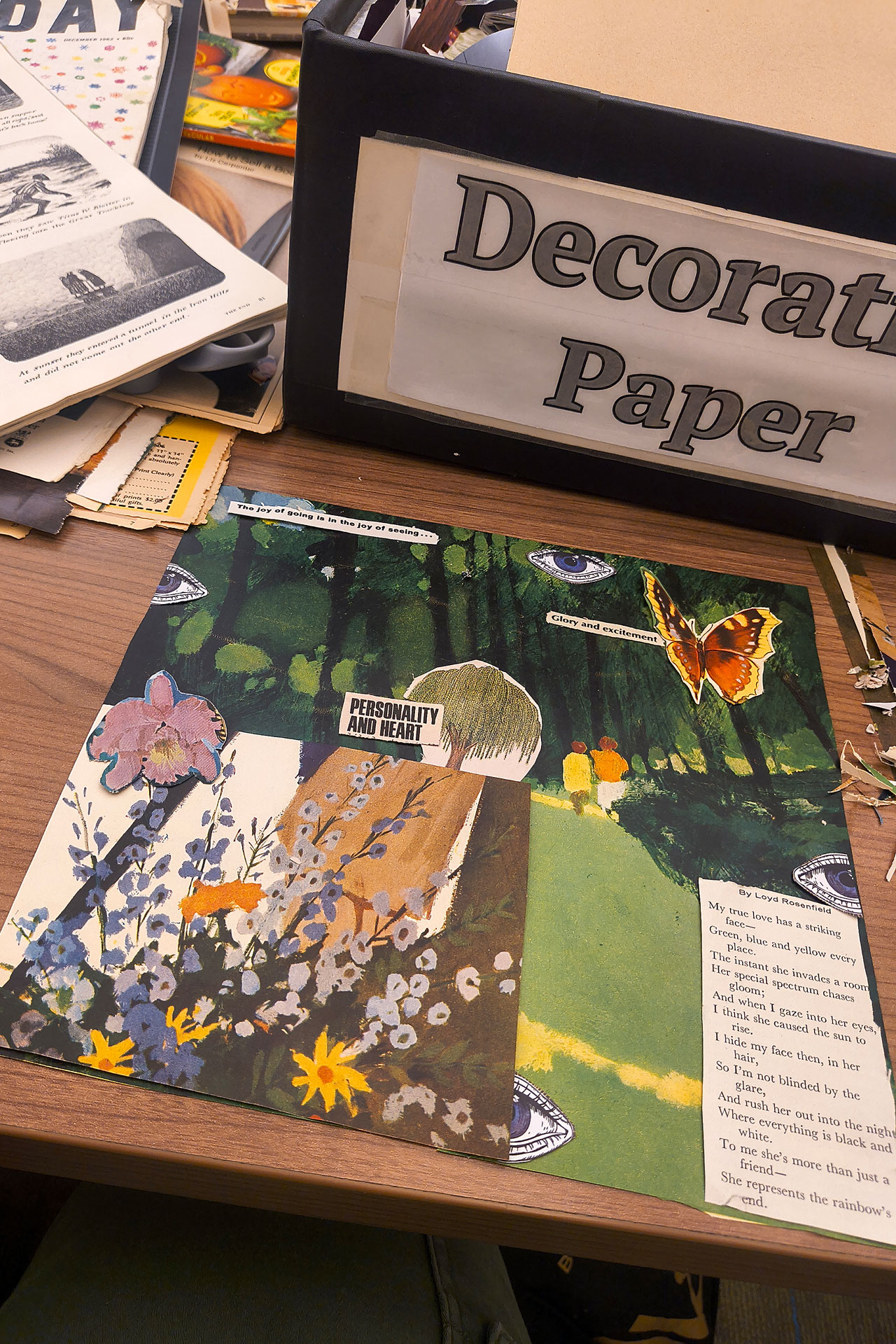
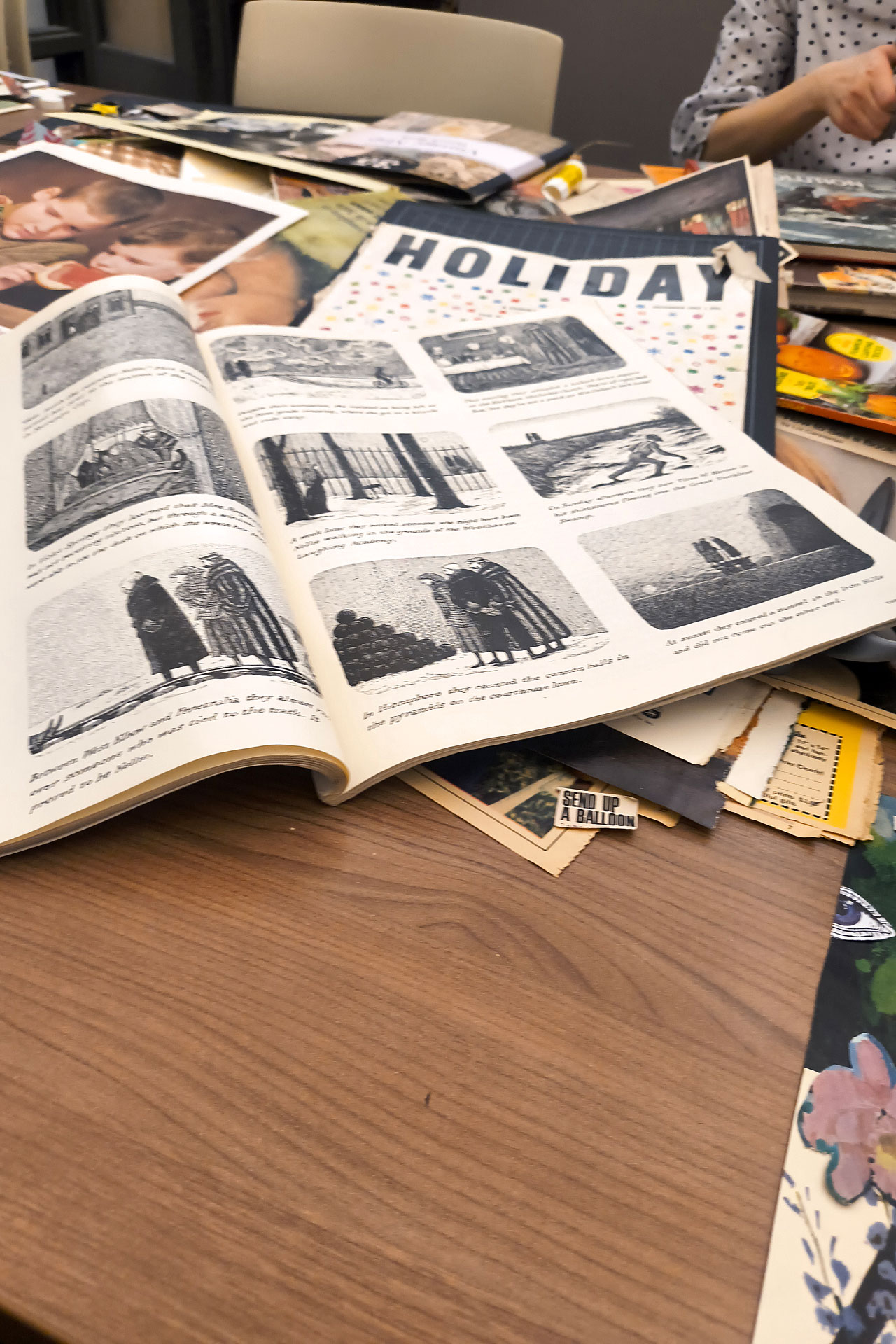
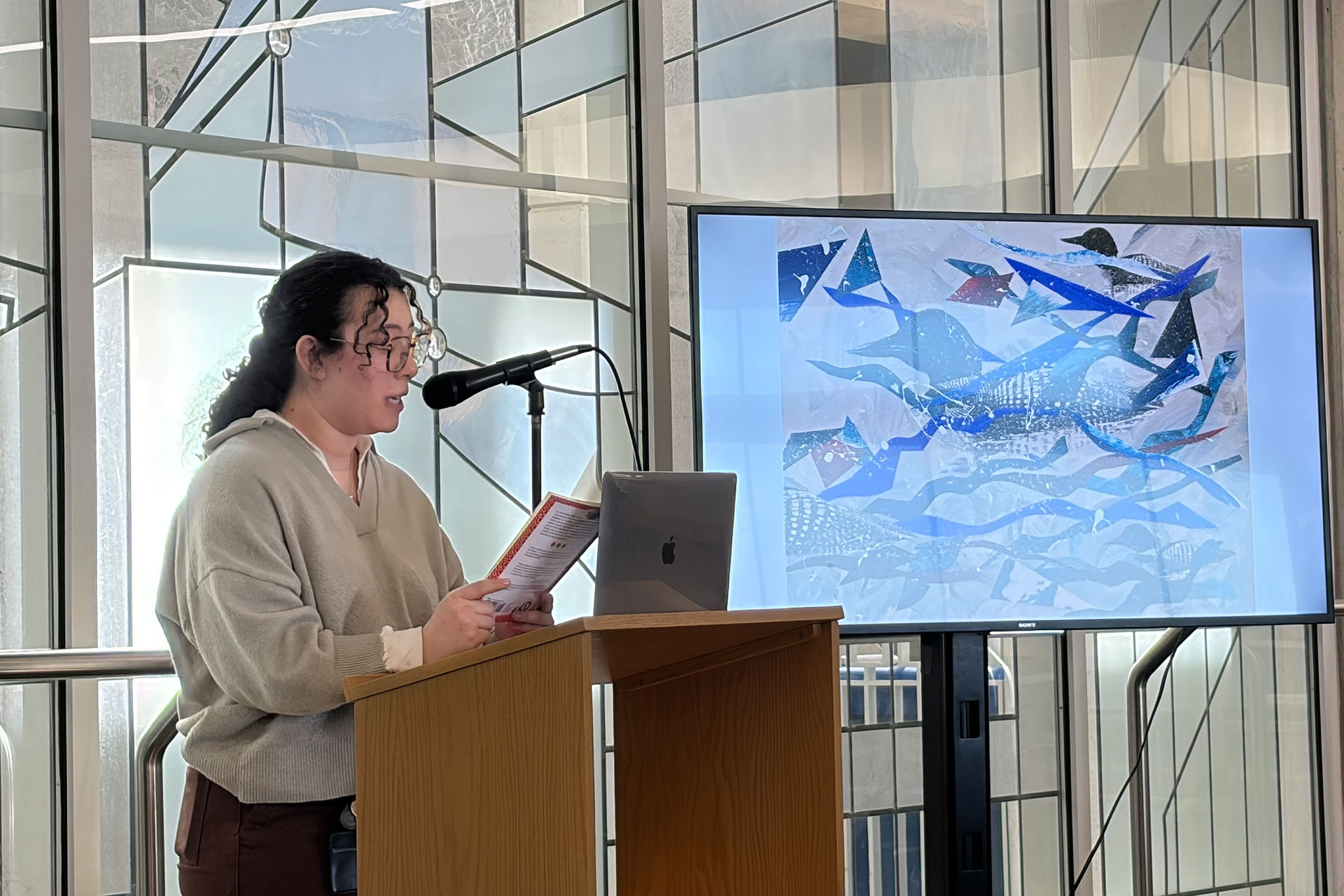
This past March, Kathryn Cowles, a long-time inspiration and friend of Sieczkowski, visited the Taylorsville Redwood Campus for a poetry reading and collage-making event at the Pub Center. Community members who attended received a copy of Cowles’ book “The Strange Wondrous Works of Eleanor Eleanor.”
“I want to get poetry in the hands of the students without them having [to] worry about budgets,” said Sieczkowski. “When budgets are tight, poetry can be seen as a luxury … I don’t want it to be that way. I want it to be something essential and something available to everybody.”
These poet-student interactions are important, she said, because they can be life-changing for student writers.
“It can take them from ‘I’m someone who writes poetry’ to ‘I’m a poet, that person is a poet, I’m a poet,’” explained Sieczkowski.
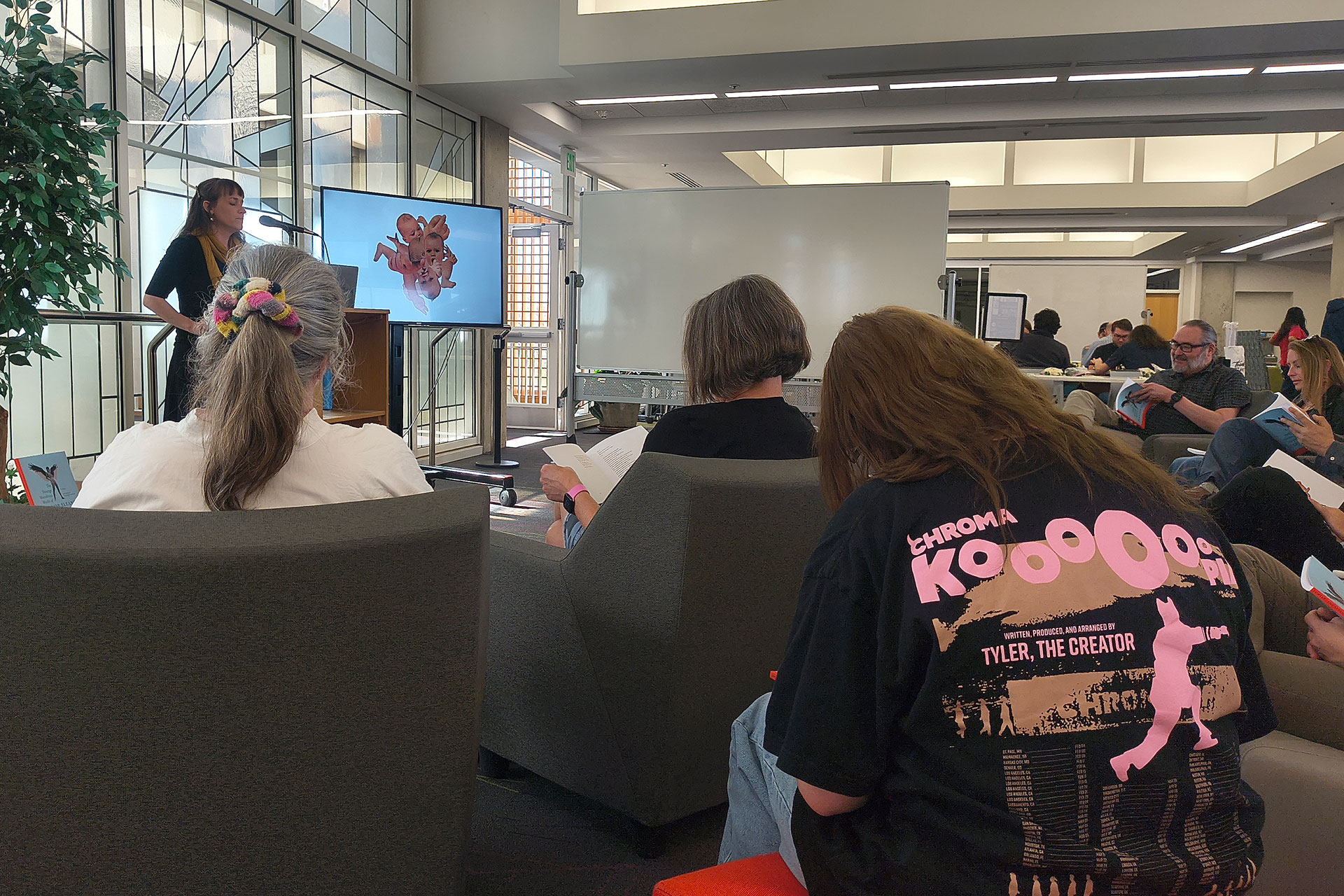
For Sieczkowski, building a poetry scene at SLCC looks like creating a community that can come together, discuss any poetry or creative writing angle, hang out and connect through writing and conversations.
She reminisced on past poetry classes, saying her classrooms are always full of students from different backgrounds.
“I have a lot of students that are not English majors,” said Sieczkowski. “I have music students, I have a woman who is retired but is now just taking classes, and then, I have had social work majors. They’re not necessarily taking it because they’re like, ‘this is going to get me a job,’ or ‘this is going to help my career path.’ [Rather], ‘this is for me [personally].’”
Another memorable moment happened during last year’s National Poetry Month when the Student Writing and Reading Center held a sidewalk chalk poetry activity, and Sieczkowski took her class out to participate.
“People got really into it and were looking up their favorite poems,” she said. “Some people were composing poems on the spot.”
Sieczkowski also recalled a heartfelt moment where a group of students had made her an “unbelievable” hand-sewn zine filled with their work.
“Consistently, the students will say that the [poetry] class changed their life,” she said.
Growing SLCC’s poetry scene
“I want to explode what a poem can be,” Sieczkowski laughed. “I don’t want to like, enclose it in really specific and elitist ideas.”
Despite SLCC having a fast student turnaround rate of two years, Sieczkowski wants to see a bigger college poetry scene; a cohort that can thrive in a community with an updated idea of poetry that isn’t just about trying to find the “code” within poems.
“Poetry lights up language in extra ways and expands language,” Sieczkowski said. “There’s not a single interpretation. There’s no getting a poem right. There’s only coming to the poem and experiencing it.”
Learning to love poetry or finding your voice as a poet is as simple as building habits, according to Sieczkowski. She encourages people to read and write one poem a day.
“This is what everyone will tell you. You just have to consume it a lot,” she said, adding that she tells students to give themselves permission to write bad poems. “The more bad poems you write, the faster you can sit down and write a good one.”
Read one of Sieczkowski’s submissions for National Poetry Month, titled “Ars Poetica.”