

Dave Lehleitner, an associate professor of film production at Salt Lake Community College, offered several movie suggestions for Black History Month.
“These films have been chosen with [an] eye for both entertainment and the history of Black cinema and Black directors,” Lehleitner said. “Each film is an important cultural milestone in film history.”
“In no particular order,” Lehleitner recommended the following films.
“Sinners” (2025)
This Southern Gothic supernatural horror film is set in the Jim Crow South of 1932. Twin brothers return to their Mississippi roots, hoping to set up a juke joint with their talented cousin as the headliner. His blues prove powerful enough to call up spirits, setting off a violent confrontation as the film explores legacy, cultural appropriation and resistance.
“Do the Right Thing” (1989)
In Spike Lee’s masterpiece, the heat of a summer day is the perfect metaphor for the simmering racial tensions in a New York neighborhood about to boil over. The film looks unflinchingly at the complexity of racism, how love and hate are intertwined, and refuses easy answers. Asking questions such as ‘how do you know the right thing to do in a world of conflicting morals and definitions of law, a world where property is more valuable than Black lives?’
“Judas and the Black Messiah” (2021)
This critically acclaimed historical drama about the betrayal of Black Panther Party chairman Fred Hampton by FBI informant William O’Neal in late 1960s Chicago reclaims the history of the Panthers from stereotypes, exposes the government’s nefarious actions and highlights injustice.
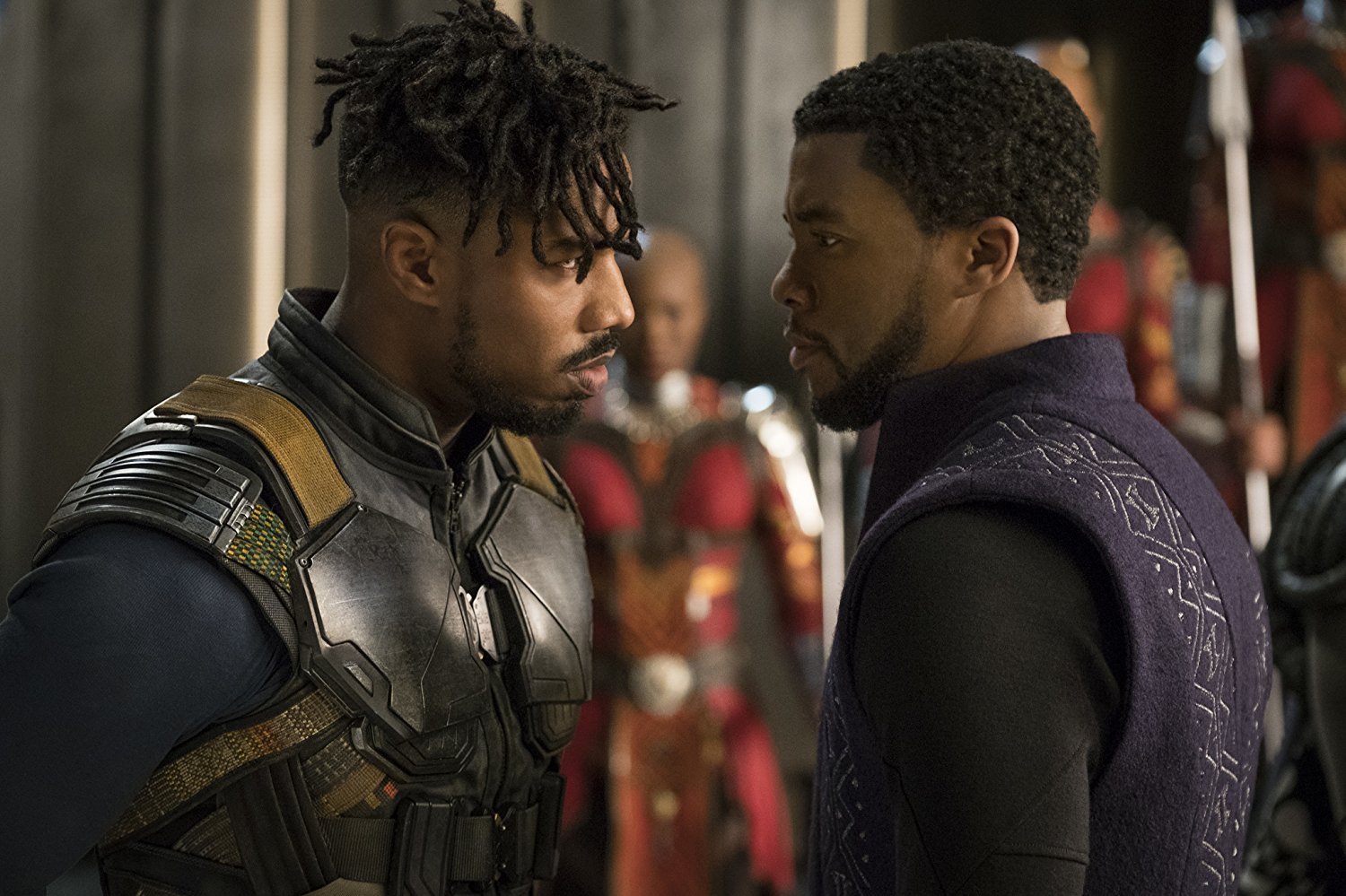
“Black Panther” (2018)
The first superhero film nominated for an Academy Award for Best Picture, “Black Panther” explores the tension between isolationism and global responsibility. Following the story of the protected prince at the heart of a thriving community, while growing up Black and poor in the U.S.
“Moonlight” (2016)
This film examines the challenges of growing up poor and gay in a tough community. The film highlights love, loneliness and the search for identity. “Moonlight” won Best Picture at the Academy Awards in 2017.
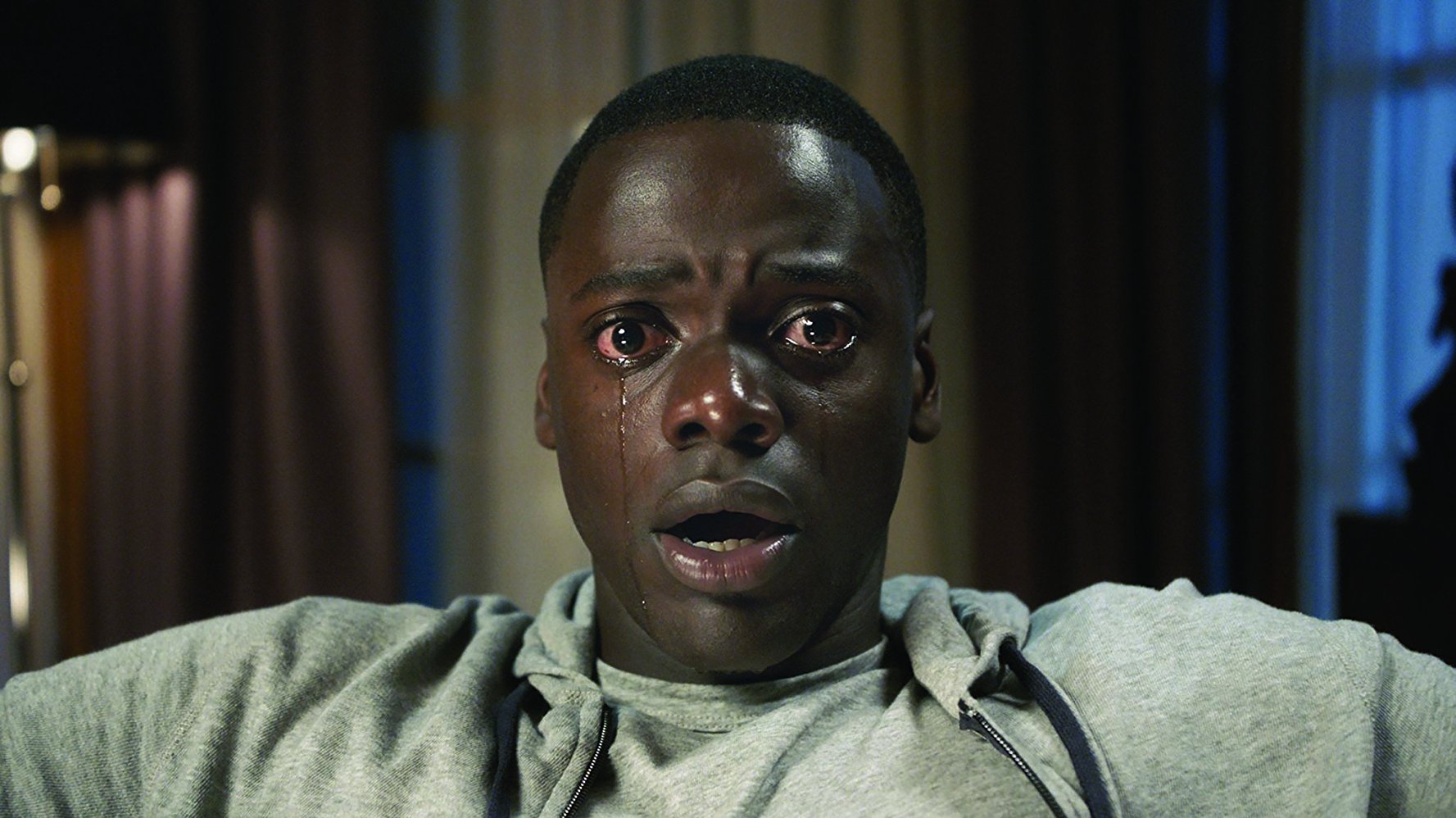
“Nope” (2022) and “Get Out” (2017)
Director Jordan Peele landed two films on the list.
In his science fiction horror film, “Nope,” a brother and sister on a ranch attempt to document an invasion of UFOs. Collider ranked it No. 2 on its list of the 15 best sci-fi horror films of the century.
Peele’s psychological horror film, “Get Out,” features sharp social commentary on the nightmare of modern racism. He called his movie a ”social thriller,” in which society itself is the villain.
“Blacula” (1972) and “Sweet Sweetback’s Baadasssss Song” (1971)
Two films that merge their genres with Blaxploitation made it on Lehleitner’s list.
“Blacula” was the first major film to wed Black horror with the Blaxploitation of the 1970s. An allegory for the evils of slavery and its legacy of racism, the film blends horror with ‘70s urban culture. An 18th-century African prince visits Count Dracula seeking help to end the slave trade. Instead, he is cursed with vampirism and sealed in a coffin for centuries, only to awaken in 1970s Los Angeles. Black characters were no longer merely the first to die in a horror movie; they were protagonists, and the film explored their lives.
In a breakthrough for Black film, “Sweet Sweetback’s Baadasssss Song” was an independent project by and about the Black community made on a shoestring budget that found a massive, national audience — paving the way for more Black-centered movies. The protagonist, Sweetback, broke the mold for Hollywood’s Black male characters and was the model for the Blaxploitation heroes to follow — sexy, revolutionary, anti-establishment and a “badass.” Men or women, Blaxploitation leads became symbols of Black defiance, survival and empowerment.
“Bamboozled” (2000)
This blistering critique of the American entertainment industry uses stereotypes from minstrel shows to demonstrate how the media continues to perpetuate racism even as more people of color enter the field.
“Sorry to Bother You” (2018)
This absurdist social satire draws parallels among racism, slavery, corporate culture and capitalism. Critics praised the film for its dark humor, and podcast host Neal Lynch said, “‘Sorry to Bother You’ has a mind-melting plot twist for the history books.”
“Boyz n the Hood” (1991)
Tre, a young Black man, is sent to live with his father in South Central Los Angeles where he must grapple with a culture of guns, violence, gangs, drugs and systemic racism as he struggles to become a man.
“12 Years a Slave” (2013)
When Solomon Northrup, a free Black man, is kidnapped and sold into slavery, he struggles to survive and hold onto his dignity until a chance meeting with an abolitionist changes his life.
“Queen and Slim” (2019)
“Queen and Slim” shows viewers how a routine traffic stop can escalate to a tragedy that reverberates for generations. However, Black love and not the tragedy from violence becomes the movie’s legacy.






Made a list for myself, figured I’d share it!
Currently Streaming:
-Sinners: HBO Max; Amazon Prime Video
-Black Panther: Hulu / Disney+
-Nope: Peacock, Fandango [Free with ads]
-Get Out: HBO Max
-Blacula: Amazon Prime Video, Tubi [Free w/ ads]
-Boyz n the Hood: Netflix
-12 Years a Slave: Netflix, Hulu / Disney+
-Queen & Slim: Peacock, Paramount+
The others require add-ons, or are only available for rent, with average cost sitting at only $3.99.
Is Coogler’s Black Panther important beyond having a black director and black main characters in the MCU? I dunno, but I left the theater when I watched it. Is Moonlight actually a good film? Are horror films important because Peele directed them? Sinners sounds cool but I’m still confused as to why this is selected for Black History Month.
There are no documentaries on this list, unless I am mistaken, and how accurate do you believe Judas and the Black Messiah to be?
Comments are closed.