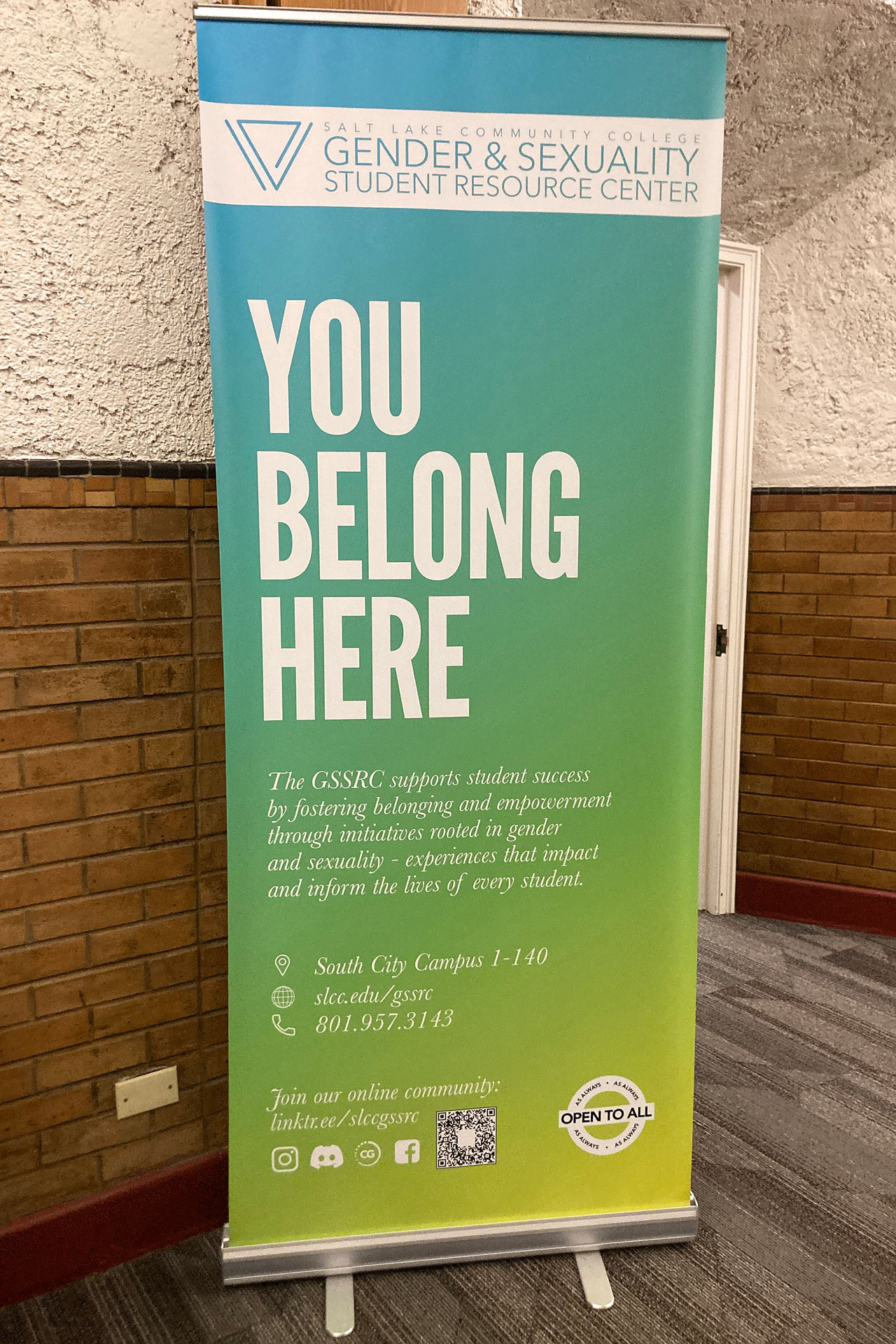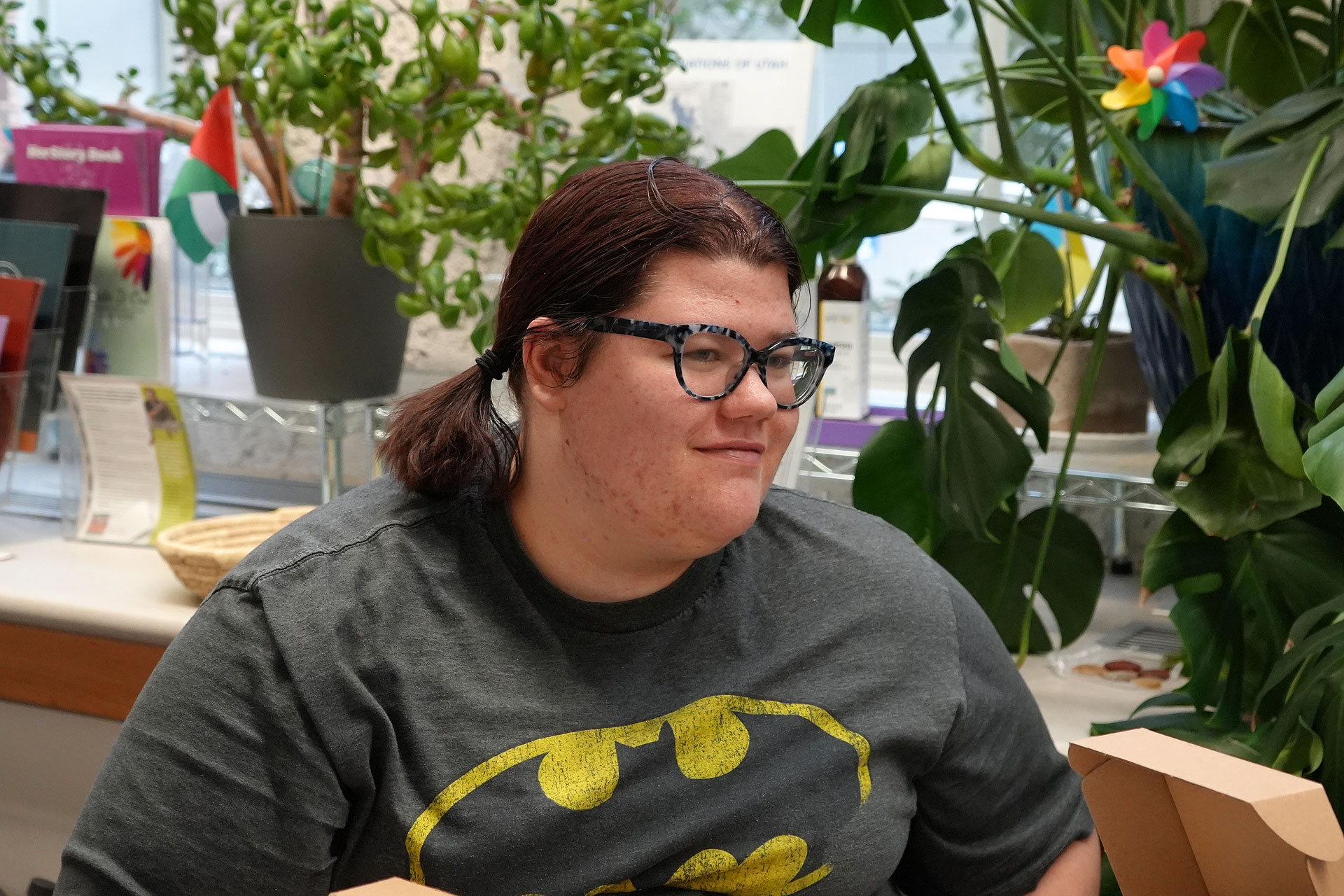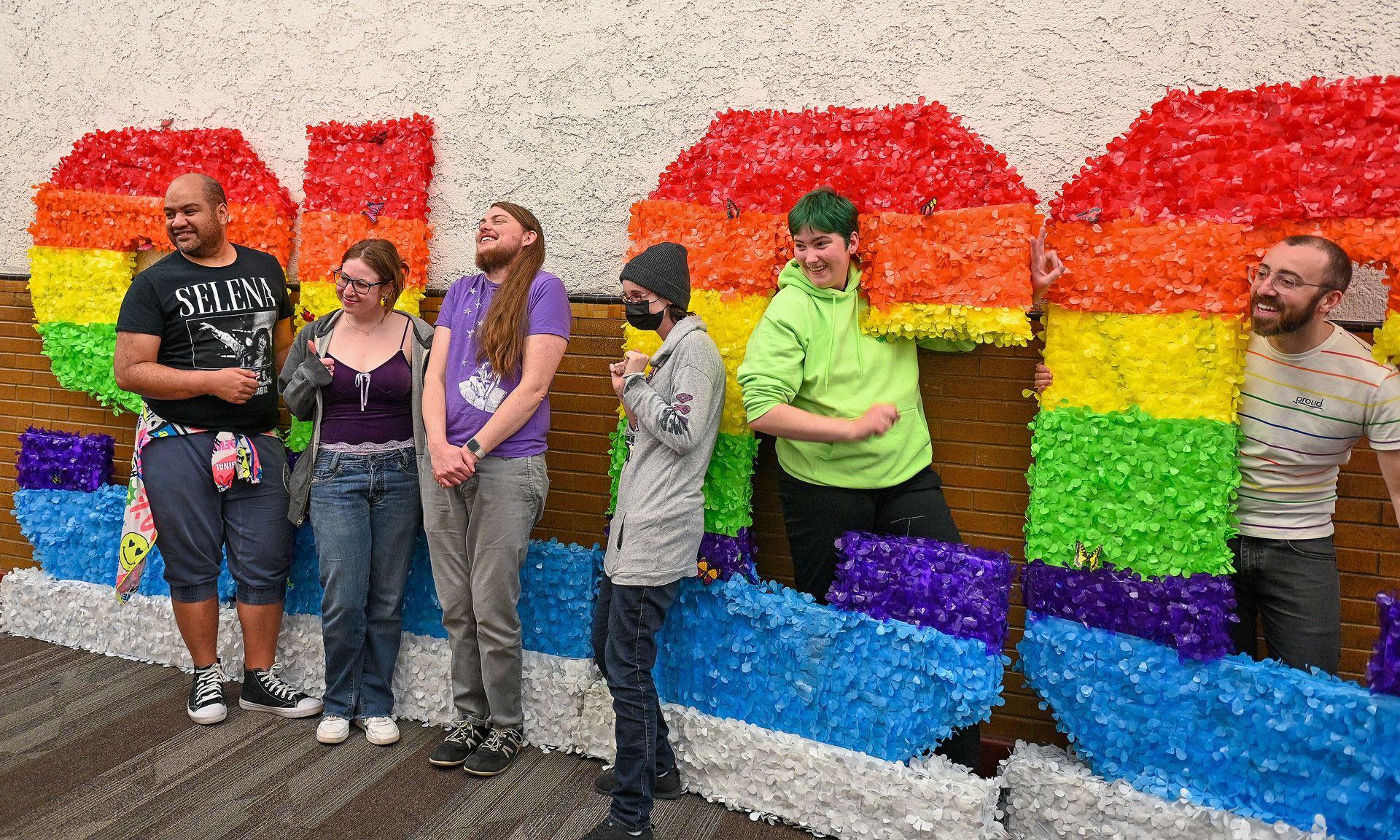
For students like Micha Flores, the closure of Salt Lake Community College’s GSSRC takes away one of the few spaces where they felt safe enough to be their authentic self.
“It’s going to be really disheartening,” said Flores, who is studying illustration. “Not only for the lack of a space, but [the] lack of representation and knowing that … we can just be erased at any time.”
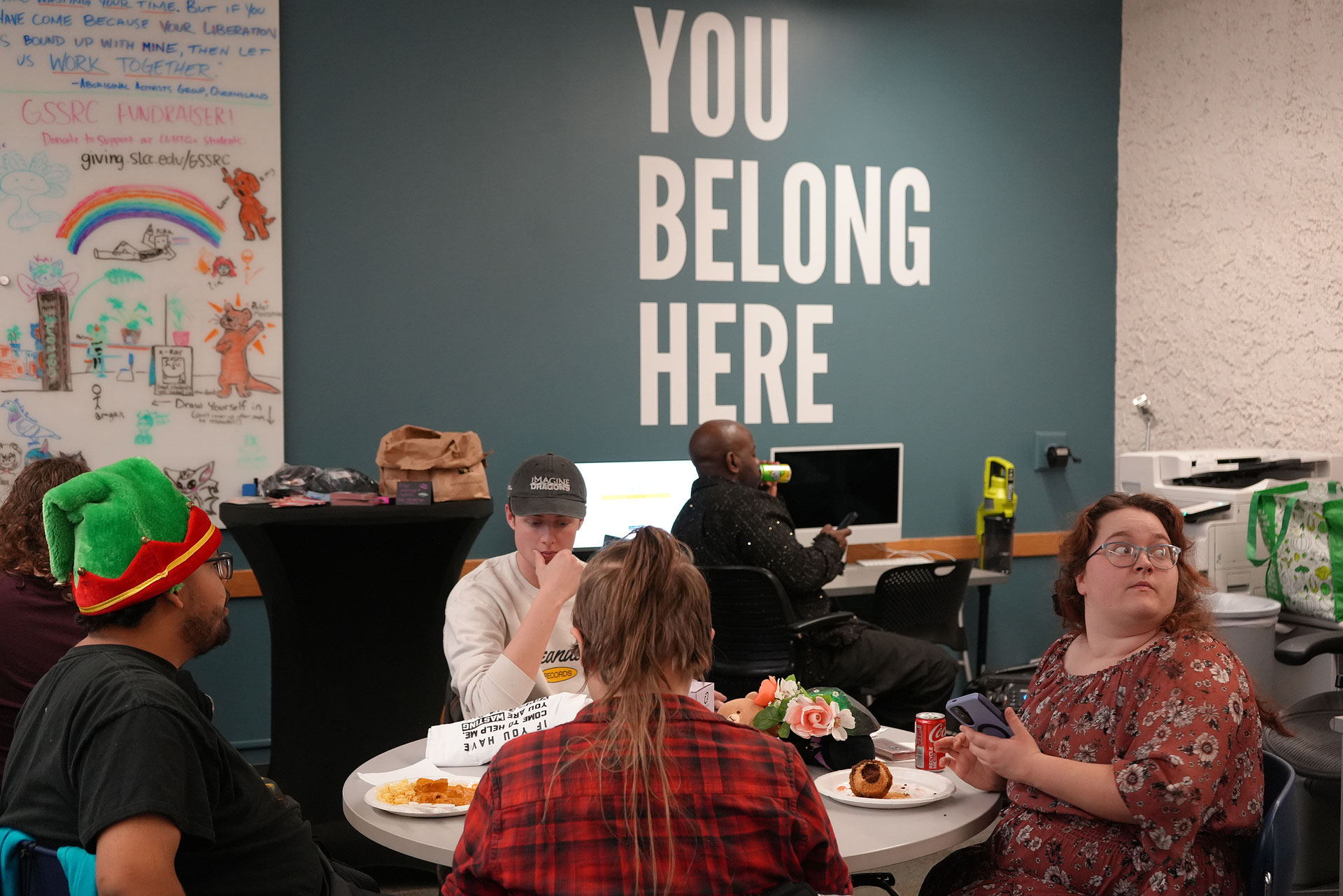
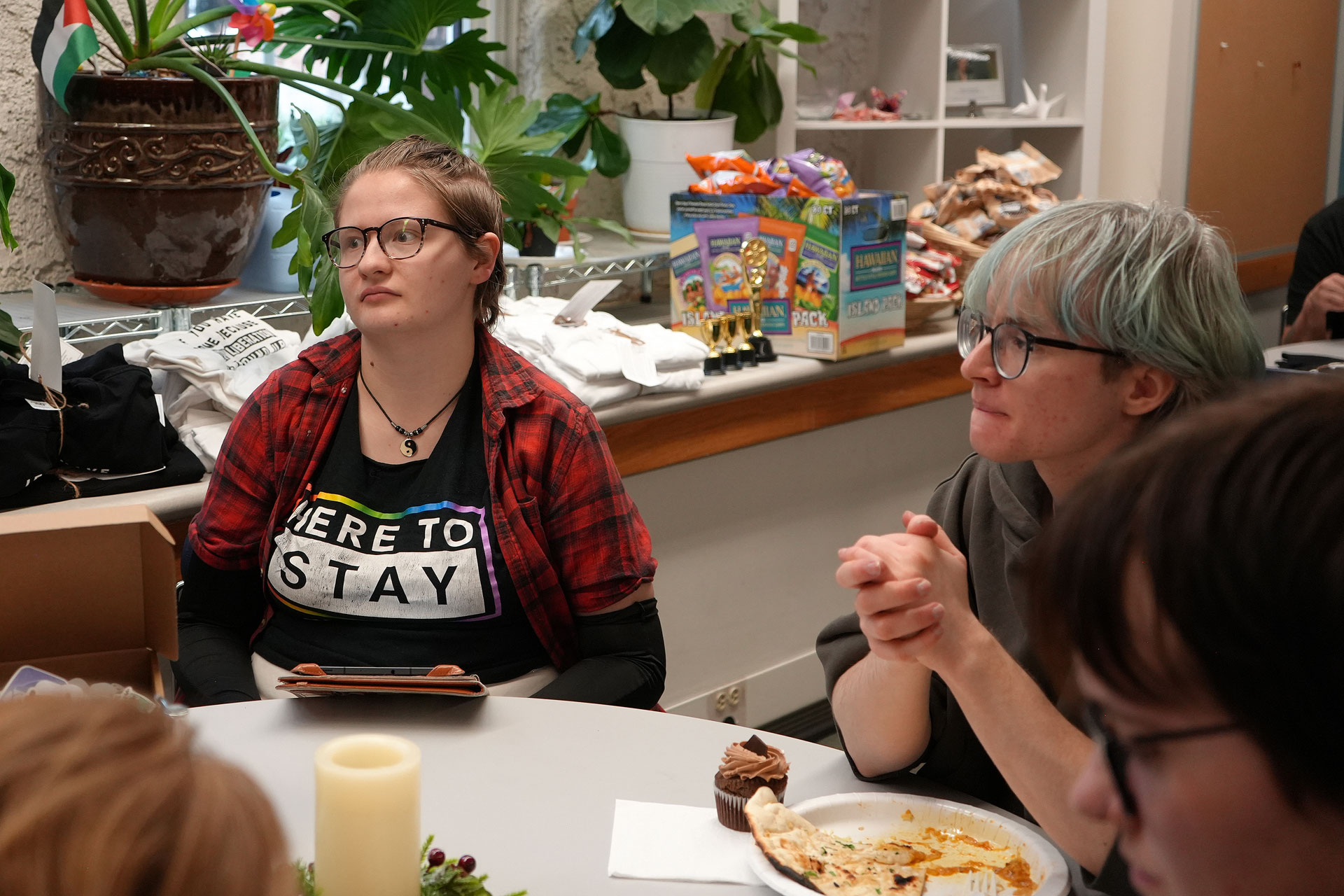
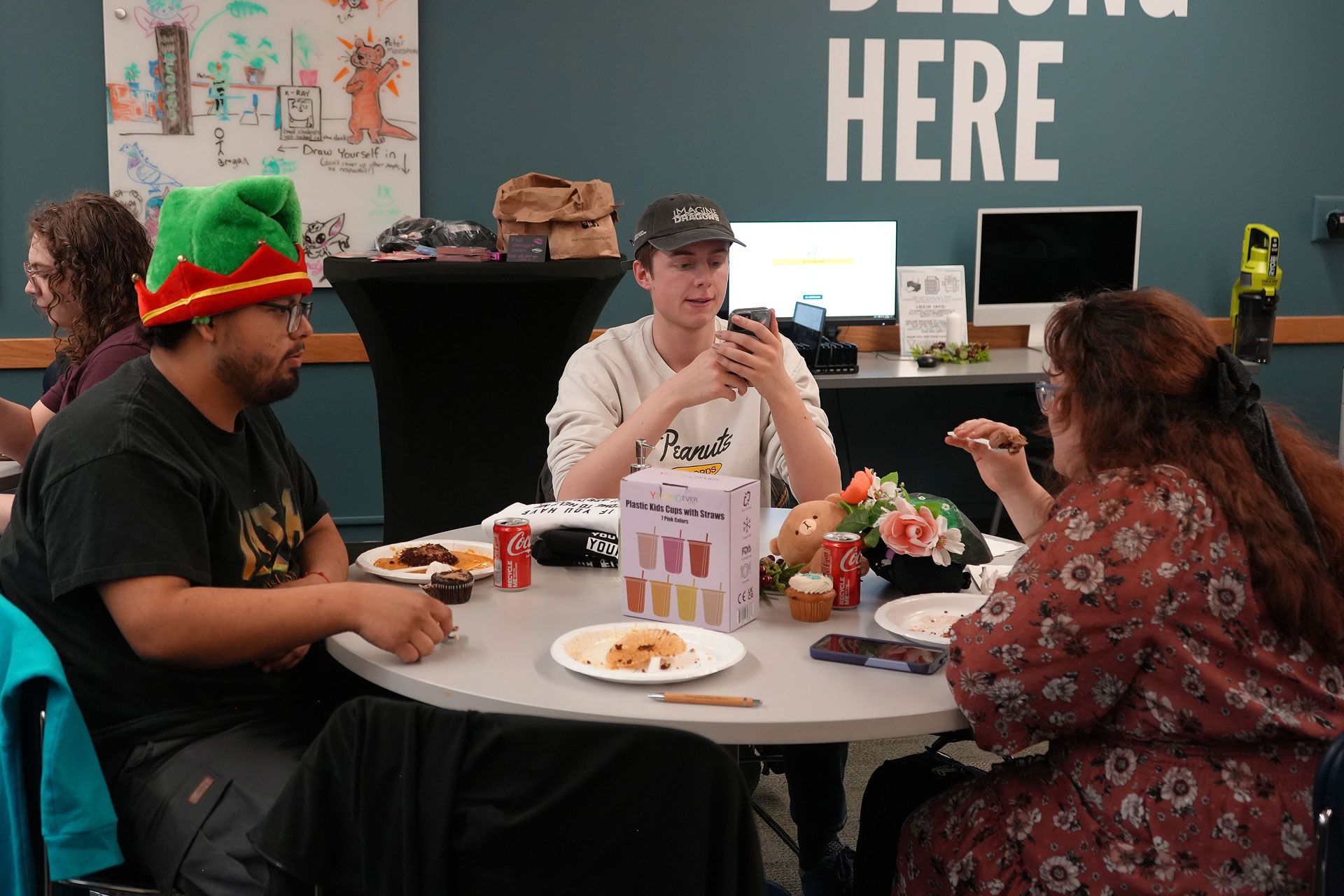
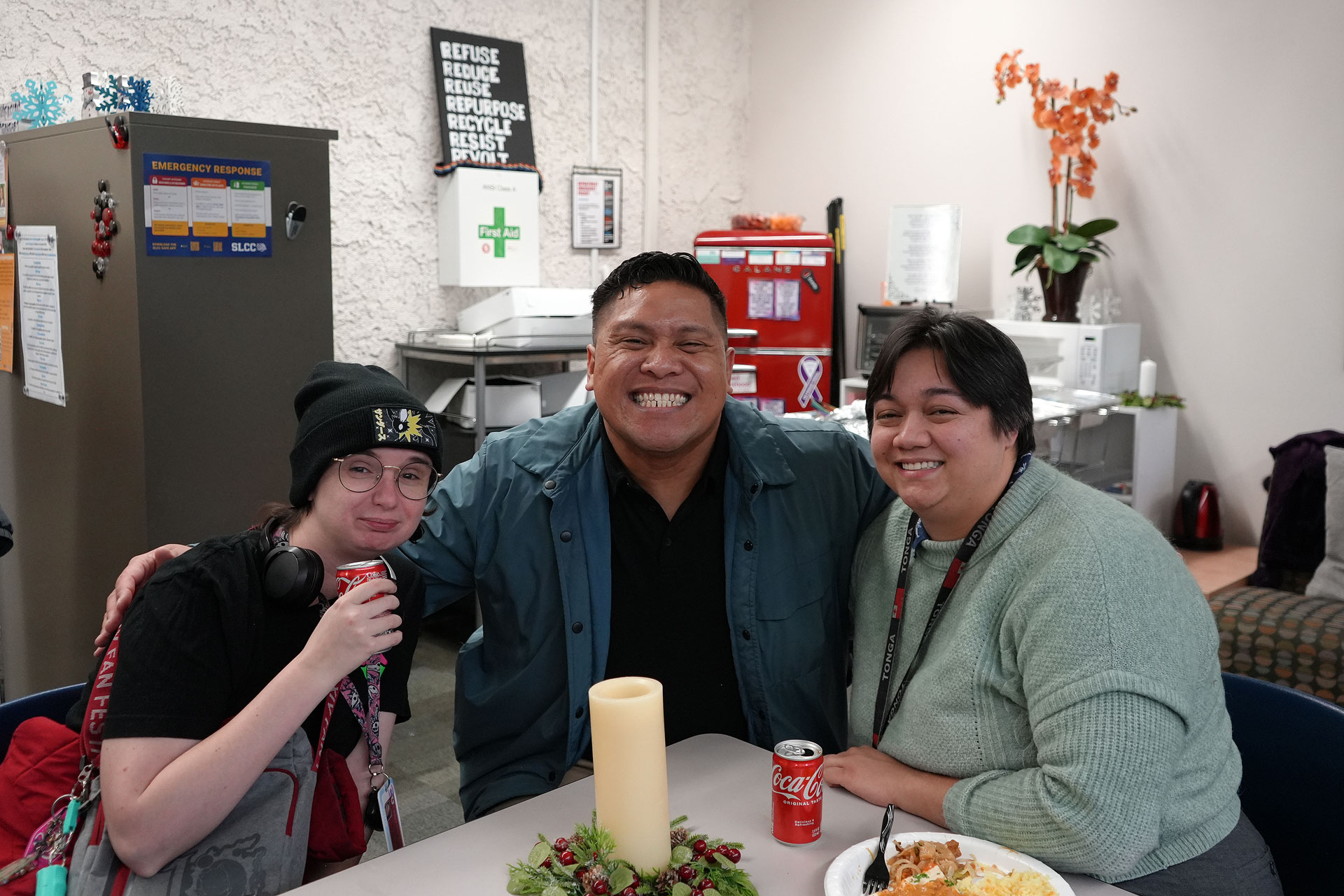
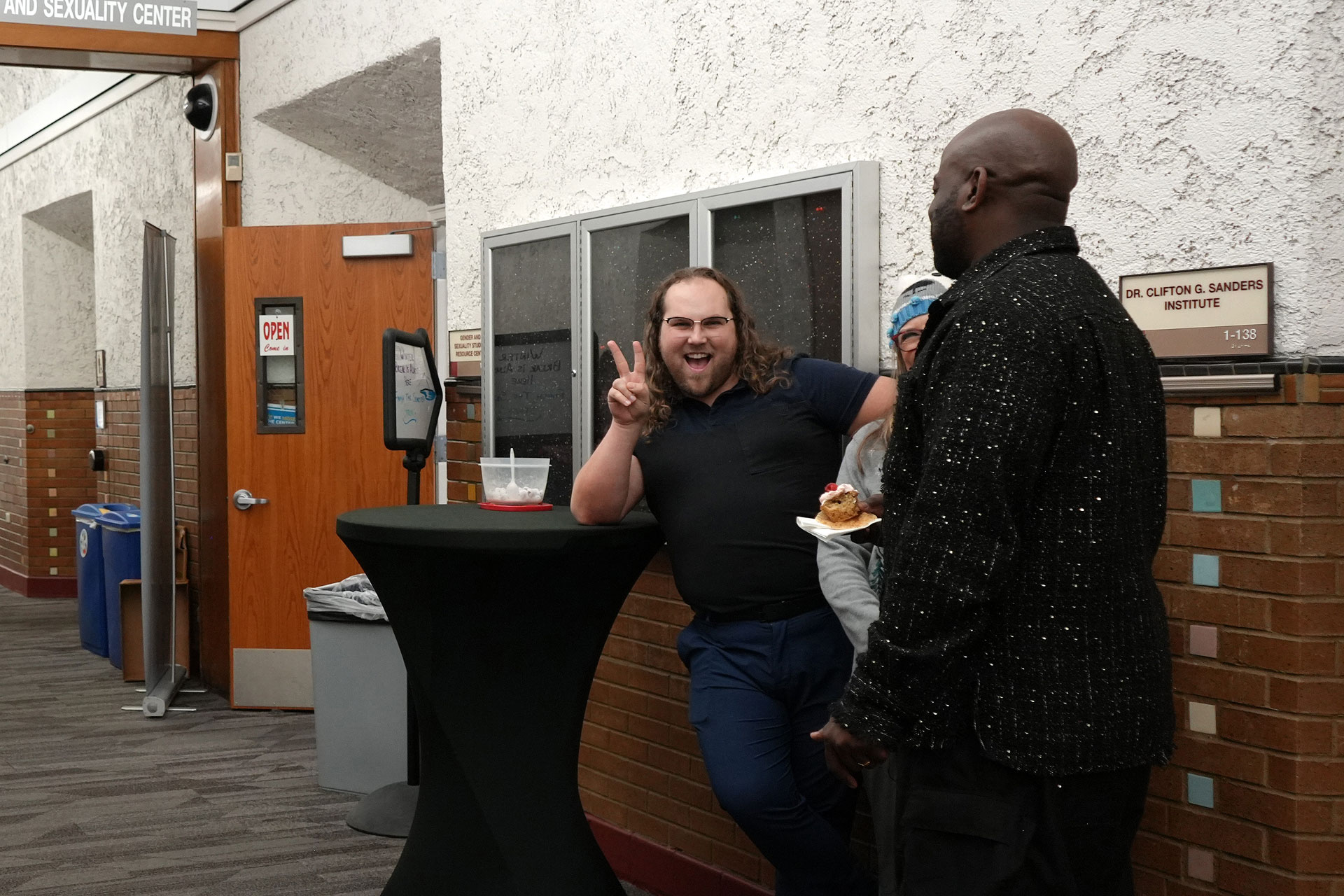
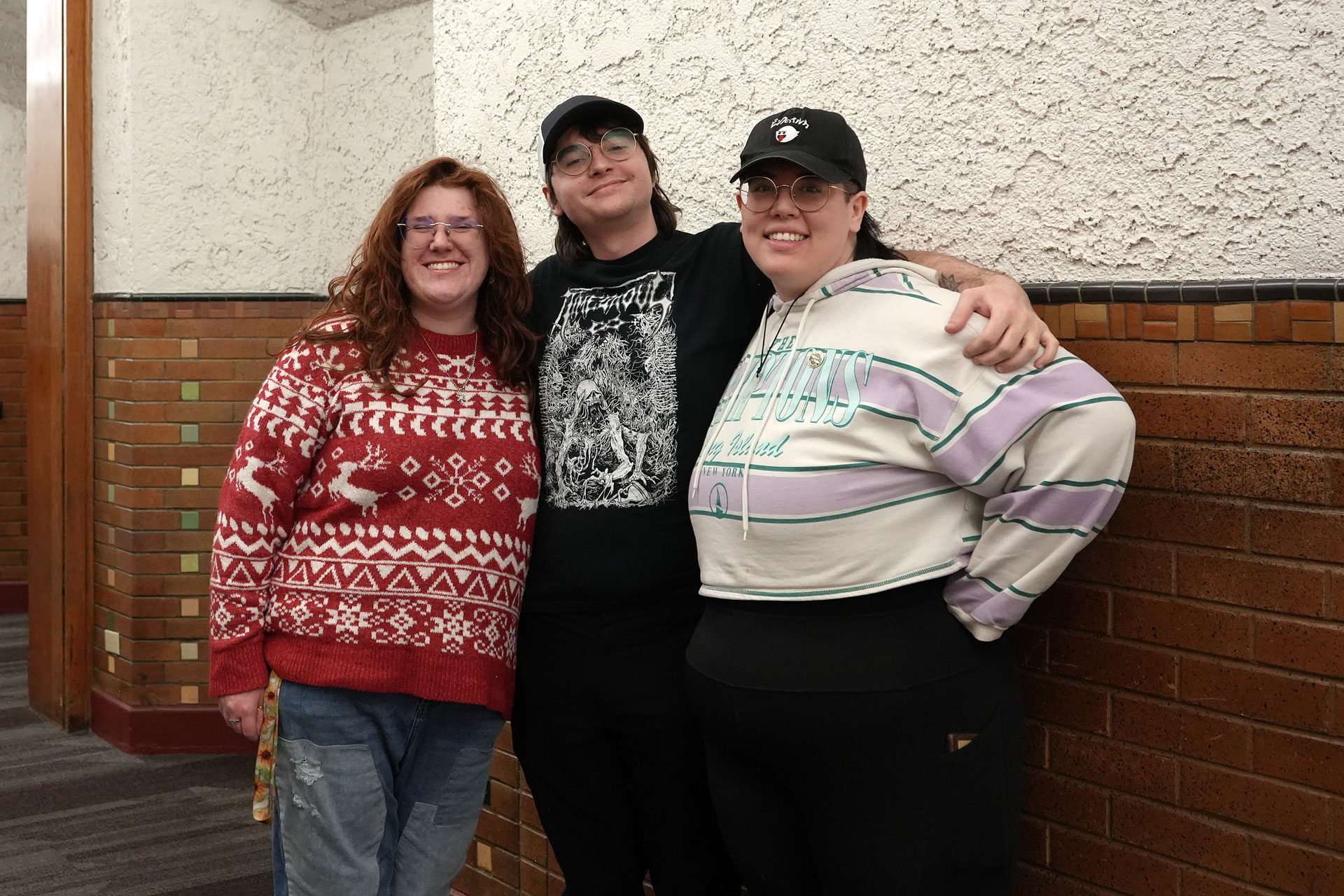
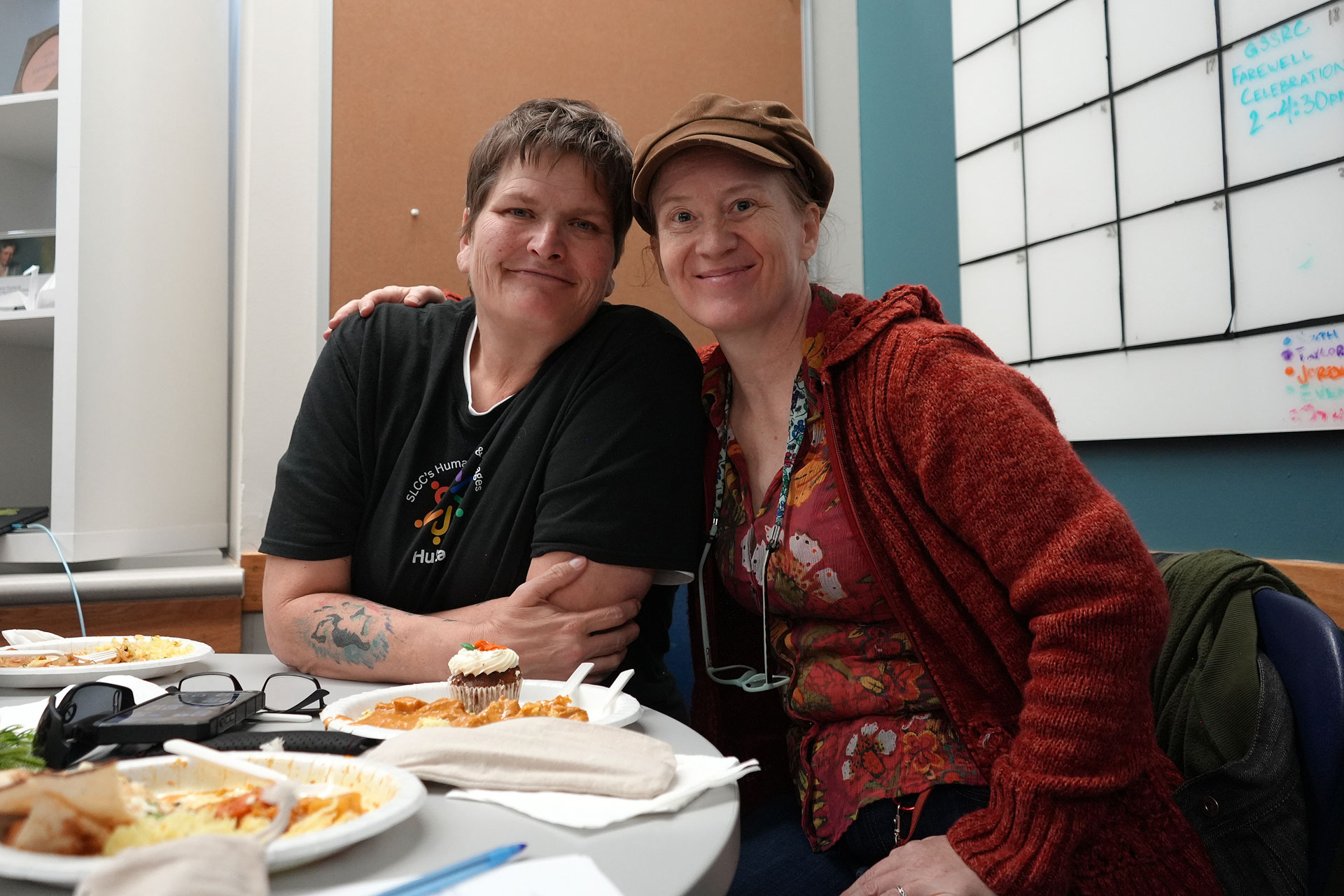
The GSSRC officially closed its doors on Dec. 18 after six years, ending tailored resources for women and LGBTQ+ students. During a farewell gathering, multiple students echoed Flores’ concerns and questioned why the resource was being taken away.
College cites compliance issues in shutdown
SLCC told students and staff in an email sent out Dec. 4, which can be viewed on the Thayne Center’s website, that a “legislatively required audit” by the Utah System of Higher Education (USHE) found the GSSRC to be out of compliance with HB 261, passed in 2024.
The message was signed by Timothy Davis, senior director of the Thayne Center, and Kathie Campbell, associate vice president of student success – both of whom were present at the GSSRC’s farewell gathering, welcoming guests. When approached, both said they had no more information about the closure other than what the school publicly stated in its email.
However, Davis acknowledged the impact on students.
“Today’s a hard day for so many of the students,” Davis said and noted that the closure was tied to broader shifts happening across higher education. “So, the ways that higher education is changing and evolving, and the ways our institutions are adapting and meeting those changes; it’s really difficult to make sense of and make meaning of.”
Flores explained what a space like the GSSRC means to students like them.
“[A space like the GSSRC is] somewhere where you don’t have to be scared to talk to people or worry about being judged or worrying that you’re too much sometimes,” Flores said. “You just exist and breathe and feel cared for.”
According to USHE, an Oct. 24 audit found the GSSRC out of compliance, stating it promoted “discriminatory practices,” but those practices were not outlined.
Although the law gives colleges up to 180 days to remedy the findings, USHE says SLCC opted to move forward on planning a new activities lounge. Because of this, USHE stated that all actions stayed within the required timeline.
However, multiple GSSRC staff members said this information was not relayed to them.
More than a job
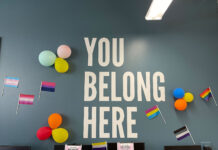
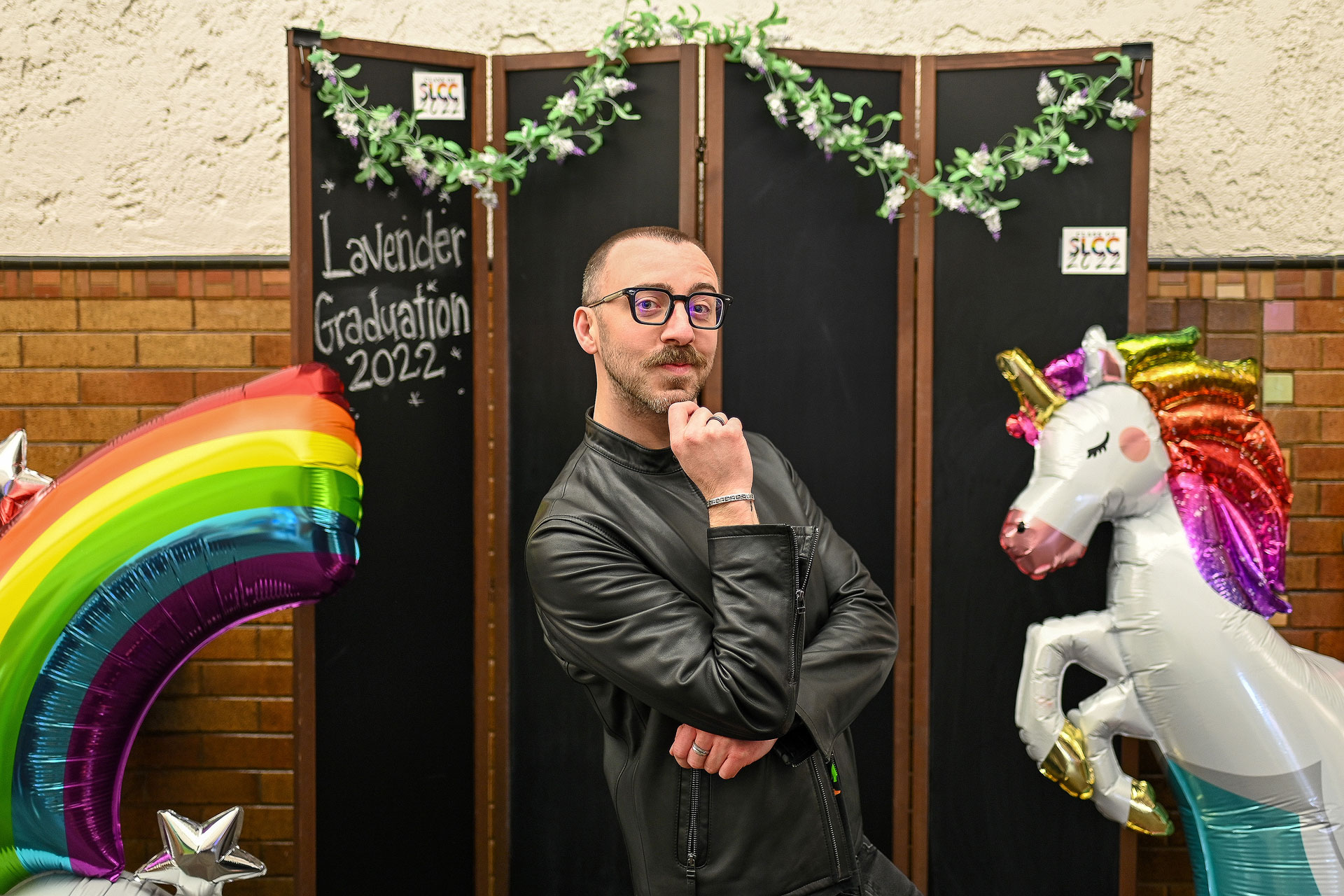
The GSSRC opened in the fall of 2019, but Peter Moosman and a volunteer group of faculty and students who focused on LGBTQ+ issues had been advocating for it for several years. Moosman said the center was one of the few places on campus where queer and trans students felt fully seen and supported.
“So, from students to students’ parents coming into the center and just feeling safe and seen [in] a space where they can feel authentic,” Moosman said. “Students are going to lose that.”
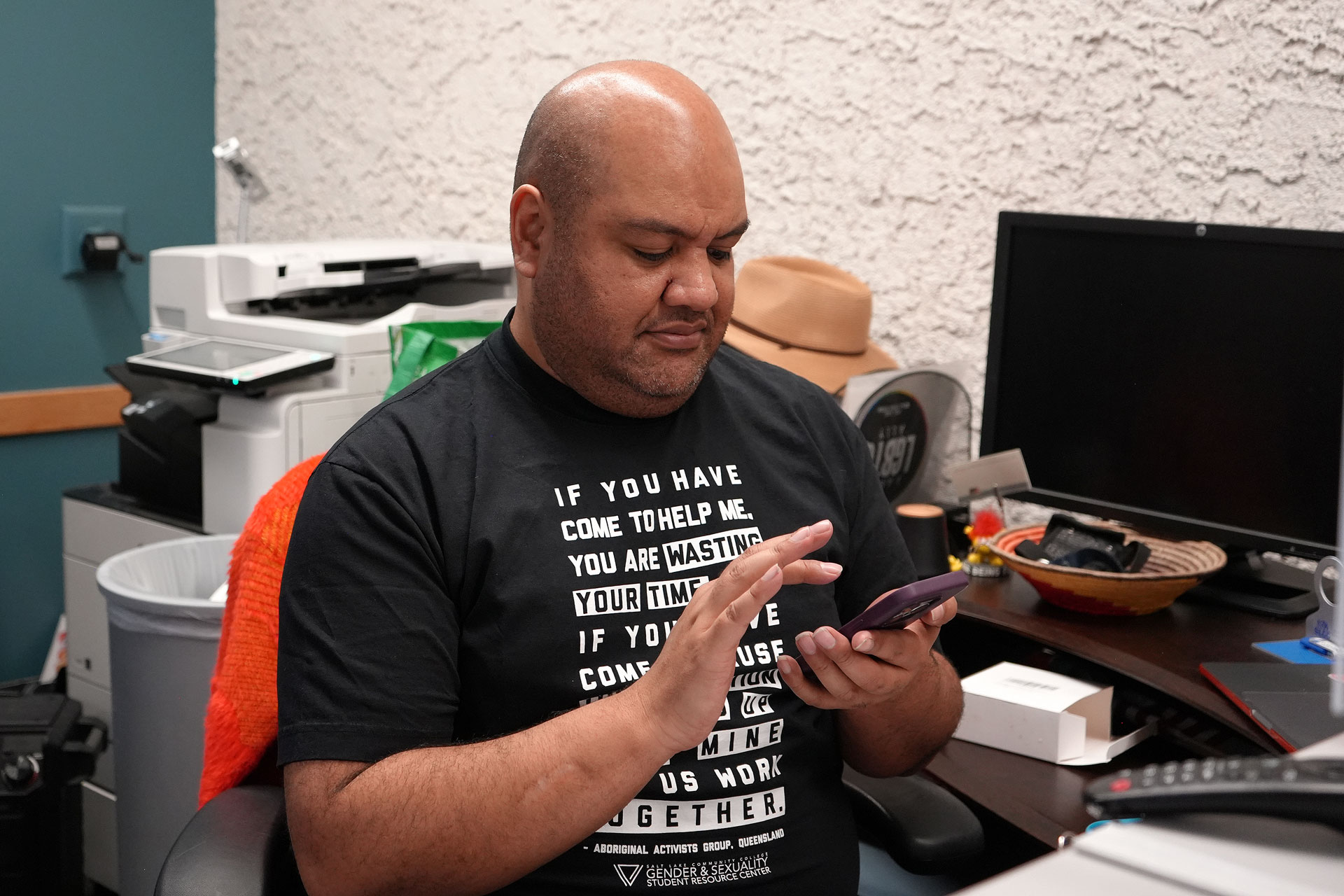
An SLCC alum, Moosman worked at the college for more than 15 years, most recently serving as the assistant director of cultural programming under the Thayne Center, which included his role at the GSSRC. When the center closed, the college let him go completely, despite the center accounting for only about 40% of his position.
“This is my home, my community,” Moosman said.
During Moosman’s tenure, the GSSRC helped SLCC earn national recognition, including being ranked the No. 1 affordable LGBTQ-friendly college in the U.S.
Moosman recalled cleaning out his office.
“I’m going through letter after letter from students telling me I saved their lives … all of these really special moments and feeling like ‘wow, I’ve done something well here. I’ve done something good at this college.’”
Moosman said he is beginning to make peace with the closure and that he is grateful for the experience.
“We’re closing the center, which is sad,” he said. “But I feel honored that I got to be a part of this and kind of see it through from start to end.”
A lifeline for vulnerable students
Environmental science major Kai Lyon spent the past three years working as a community outreach specialist at the GSSRC. He credits the center for being a lifeline.
“I don’t think there’s any way that I’d be the person I am today if it wasn’t for that [the GSSRC],” Lyon said. “Honestly, there’s a chance that I would be dead.”
When Lyon first came to the center, he had not yet come out as transgender.
“I definitely found a lot of hope in Peter and the place that he set up,” Lyon said. He expressed shock at how quickly the center was closed. Reiterating that staff received no information on how the center was non-compliant or why Moosman was let go.
“I’m frustrated about it,” Lyon said.
According to USHE HB 261 Guidance, any institution found out of compliance is supposed to receive a 30-day remediation window to fix the issues. In this situation, the timeline that was followed wouldn’t have allowed that to happen.
“This is why we are here”
When asked about the significance of the center, both Moosman and Lyon relayed a story about a set of parents who found their way to the GSSRC in early December.
“They come in, and they just start talking about how they have a trans daughter who’s over in therapy … across the hall,” Lyon recalled.
Lyon said he offered all the outside resources he could, including information on the ACLU and a binder swap program.
“I told them about the QSA (Queer Student Association) and all the other places that they can go [to] potentially … find space for themselves,” Lyon continued. “I unfortunately had to tell them that this isn’t a space they could have anymore … And it broke my heart because that was me right there. [But] I didn’t have my parents coming in here.”
Moosman said the GSSRC staff, along with a few students, sat with the parents and answered their questions.
“We all sat down, and we’re answering all these questions on how they can figure out how to support their trans kid,” said Moosman. “I’m like, ‘This is why we are here.’”
What’s next for the space?
Last term, the Thayne Center sent out a survey asking students what they would like to see there. According to Davis, the room where the GSSRC was located will continue to serve as a student space. Reopening is set for February as the Bruin Paws Activity Lounge.
“Students highlighted what they want most out of the space,” Davis said. “It’s a space to relax, reset, go between classes and also have some resources for student clubs.”
Where students felt seen
Moosman said his pride in the center did not come from national recognition or awards, but from the students who found safety in a place where they felt wholly seen.
“The humanity of it all and being a part of that,” he said. “Where people felt seen for the first time in their whole lives. They felt supported for the first time in their whole lives.”
Moosman recalled a trans student who couldn’t be out at home, so he kept their clothes in his office so they could come to school as themself.
“What an honor, to be that kind of support for someone who needed it … And so humbling,” he said. “I think that’s what I’m most proud of … I got to be that for so many people.”