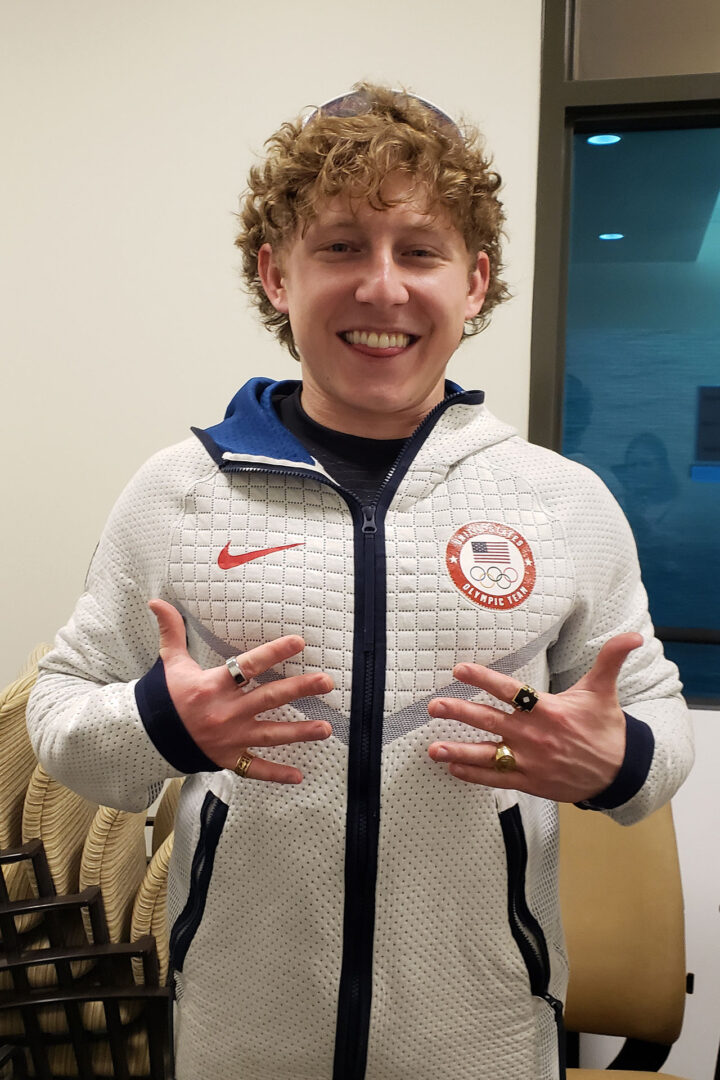
Salt Lake Community College student Austin Kleba, who traded a possible Division I hockey career for a place on the 2022 U.S. Olympic speed skating team, says he knows the journey to a dream is just as important as achieving it.
“I had to make a choice,” recalled Kleba. “Either keep going with hockey and risk more injuries or pursuing another dream that I had, which was going to the Olympics.”
Kleba went with the latter.
Choosing a new direction
Kleba grew up in St. Charles, Illinois, playing hockey, with his eye on making Division I. But after a series of serious shoulder injuries, including a torn labrum and two surgeries, he faced a tough decision: continue down the risky path of hockey or pursue the dream of competing in the Olympics.
Decision to change goals placed Kleba on an Olympic course
That decision led him to speed skating, a sport that, while less common in the U.S., has a passionate community dedicated to hard work and support.
“If you are serious about it, there are a lot of people that will try to get you to where you want to go,” Kleba said.
For example, Kleba said if you aren’t skating fast enough, coaches and mentors will address it and help you improve.
“We have a very good team because of that,” he said.
At the U.S. Olympic trials in December 2021, Kleba won silver in the 500 meters and bronze in the 1000 meters, securing his spot on the Beijing 2022 team.
“It was the hardest thing I’ve done in my career,” he admitted.
The competition came down to fractions of a second against fellow skater Cooper McLeod, a good friend who promised they’d hug no matter the outcome.
“I didn’t sleep the night before,” Kleba acknowledged. “The relief when I found out I made it was incredible.”
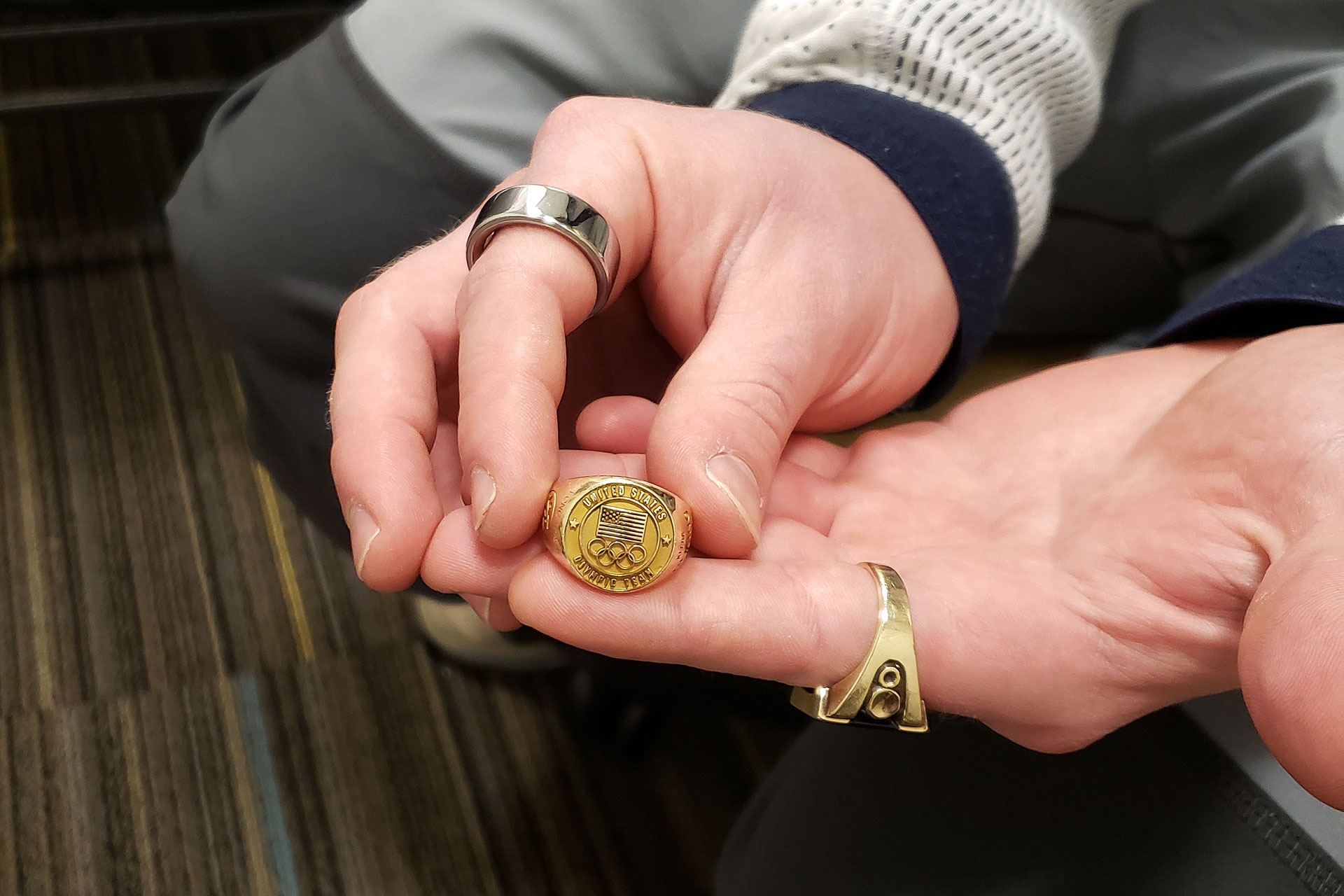
The high stakes of pursuing Olympic ambitions
Securing a place on the Olympic team comes with perks, such as travel expenses and gear, but there were financial challenges, too.
“You have to take risks; it’s not guaranteed you’ll make it,” Kleba said. He credits his parents with unwavering support throughout his journey. “Without them, I couldn’t have done this.”
According to Kleba, training as an elite athlete is a full-time job. He didn’t work during skating season but took odd jobs during the offseason to help cover expenses.
Mentors and coaches along the way
Kleba’s support system included a mix of mentors and coaches, including former Olympians. His first coach, Eric Cepuran, played a vital role in Kleba’s early training.
“His guidance was invaluable when I was starting out,” said Kleba.
Another important figure for Kleba was Joey Mantia, an Olympic medalist and world champion who mentored him early on.
“He took me under his wing when I first started,” said Kleba. “He liked the effort I made and cared a lot about my progress.”
Once on the U.S. team, Kleba said Coach Ryan Shimabukuro was instrumental in shaping his skills and passion for the sport.
“He’s a legend,” Kleba said, noting Shimabukuro’s vast knowledge and extensive video archives used for analysis. “He often compares our techniques to past champions, enhancing our understanding of the sport.”
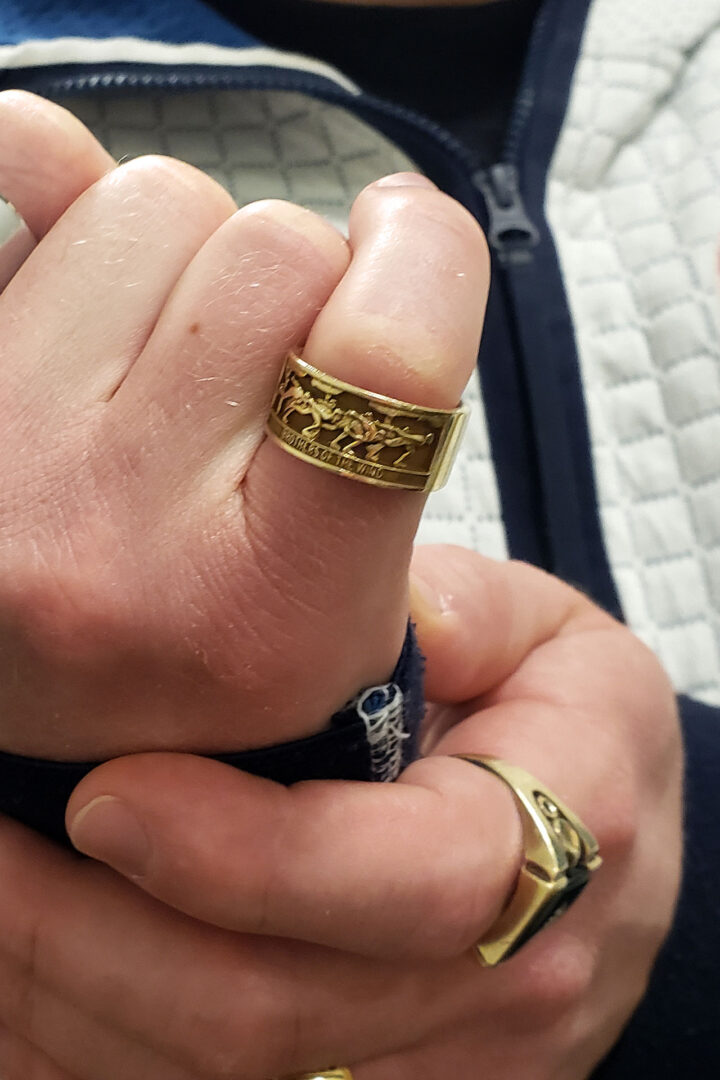
Capturing the spirit of the Olympics
Competing at the Olympics was unforgettable, said Kleba, not just for the races but for being part of a larger mission. He said the grandeur of the opening ceremonies and supporting teammates like Erin Jackson — a fellow SLCC student — who won gold in Beijing, made his experience all the more meaningful.
“There’s definitely a cool emotion of being a part of something bigger,” Kleba said. “Making the Olympics and being on the Olympic team, you’re on a bigger stage. What’s cool is that there’s a lot of other people [and] countries that are doing it with you in a lot of other disciplines.”
Power of direction and self-belief
Kleba said it’s important to have clear goals in navigating life’s challenges.
“A big part of my journey was when I had to quit hockey,” he said. “That was a very big dream I had; to go to DI for hockey. That’s what I wanted to do my entire childhood. And I think the big, cool thing that I did was I didn’t just give up on dreaming in general when I had to give up a goal. I thought [of] what else could I do that’s extraordinary in my life.”
Kleba offered advice on achieving goals, saying it is the fundamental starting point for success.
“I would say if you have the goal, the biggest thing that you could do is believe in yourself,” Kleba said. “I know that’s really cliché, and a lot of people say that, but that’s how it all starts. If you don’t think that you can achieve the dream, you’re not going to do it.”
Looking ahead, Kleba is excited about continuing his education in biochemistry. He sees parallels between sports and academics; both require discipline, focus and passion.
“I know I’m willing to give what it takes to make my dreams come true,” he said.