The transition to civilian life for some veterans can hit harder than expected.
After years of rigid structure and the intensity that comes from a life in the service, they return home to a world where they must rebuild their routines while managing post-traumatic stress disorder, service-related disabilities and the immense weight of starting over.
These veterans are part of a growing student population at Salt Lake Community College, each bringing unique experiences and challenges into the classroom. Many rely on support from SLCC’s Veterans Services, VA education benefits, and the campus veteran community to navigate the shift from military to academic life.
Former and current student veterans shared how these programs helped them manage the emotional and logistical challenges of transition and finding success as college students.
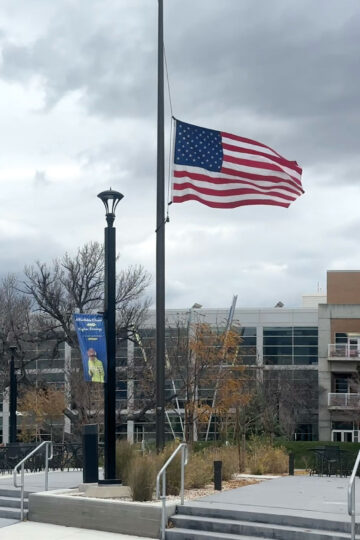
Transitional challenges
Leaving military life can feel like losing the blueprint to navigating the world. For Army veteran Sean Stetson, who served two tours in Iraq, the transition was painful.
“When I got out, I went down a really dark hole,” Stetson said. “I struggled with addiction for many years. I wasn’t ready to go to school the first time I tried.” It took nearly a decade, along with substantial recovery, before he felt prepared to return to higher education.
Navy veteran and current student Avelina Salazar described her version of that dramatic change. After eight years of service, she faced divorce, the loss of guaranteed housing and the sudden responsibility of navigating everything alone.
“You’re basically starting from square one unless you have a support system,” Salazar said. The sudden loss of stability ended up leading to deep depression, financial strain and credit damage.
Salazar believes that many veterans face these types of challenges when reentering civilian life.
For Navy veteran Jaylen Ricks, the emotional challenge came from losing the identity and confidence he had in the service.
“Knowing where I stood in the military and feeling free-floating here has been the toughest part,” Ricks said. The shift from a formal structure to an independent life left Ricks feeling uncertain, especially as he tried to balance schoolwork with being a new father.
Ryan Reynolds, a former Air Force military police officer and current student, had a similar experience.
“You’re molded into this structured way of living, then you get out and don’t have a sense of purpose,” Reynolds said, describing this loss of identity as one of the most common struggles facing veteran students when they return to school.
Many veterans reported mental overload, anxiety, depression or PTSD as complicating their academic transitions. For some, their first attempt at college ended in failure — not because they lacked capability, but because they weren’t ready.
Navigating benefits
Knowing how to access veteran education benefits can be an overwhelming part of starting college. Programs such as the GI Bill, the Post-9/11 benefits and Vocational Rehabilitation and Employment all have their own rules, timelines and eligibility requirements.
Stetson said the GI Bill system is complicated, even for veterans who have used it before.
“There are different levels of the GI Bill. It’s very in-depth,” Stetson explained.
At one point, Stetson exhausted his GI Bill funds months earlier than expected and had to switch to Vocational Rehabilitation, a program designed to help disabled veterans return to the workforce. This later became a valuable resource for him.
“They help you get a job in the field you’re going for,” Stetson said.
Ricks also uses Vocational Rehabilitation and said it offers support to many veterans who do not realize what they qualify for.
“Vocational Rehabilitation covers everything, including tuition, fees and even my laptop,” Ricks said.
Ricks plans to save his GI Bill for a future master’s program overseas, something Vocational Rehabilitation allows him to do by covering his undergraduate expenses first.
Reynolds, who now works as a peer mentor for the Veterans Integration to Academic Leadership program, said many veterans feel pressured to enroll full time because the housing allowance tied to their benefits depends on it.
“They get overwhelmed by the pressure of needing full-time enrollment for their housing allowance,” Reynolds said.
This scenario pushes many students into a heavier course load than they can manage — especially those balancing families, jobs, or mental health challenges.
The VITAL program and mental health support
Feeling supported academically is only one part of the equation for many student veterans as they transition back into civilian life.
The VITAL program is an important bridge between SLCC and the VA and provides support for students who do not know where to start. As a trained peer counselor, Reynolds conducts intake assessments and helps veterans access therapy, emergency assistance, childcare waivers, and housing support.
“Sometimes I literally walk them down the hall to make sure they get seen,” Reynolds said.
These in-person handoffs ensure veterans do not fall through the cracks, especially those who have struggled to access care through the VA.
Reynolds’ decision to work in mental health stems from her own experience waiting months to see someone for her own PTSD.
“I realized I wanted to help veterans the way I was helped,” Reynolds said.
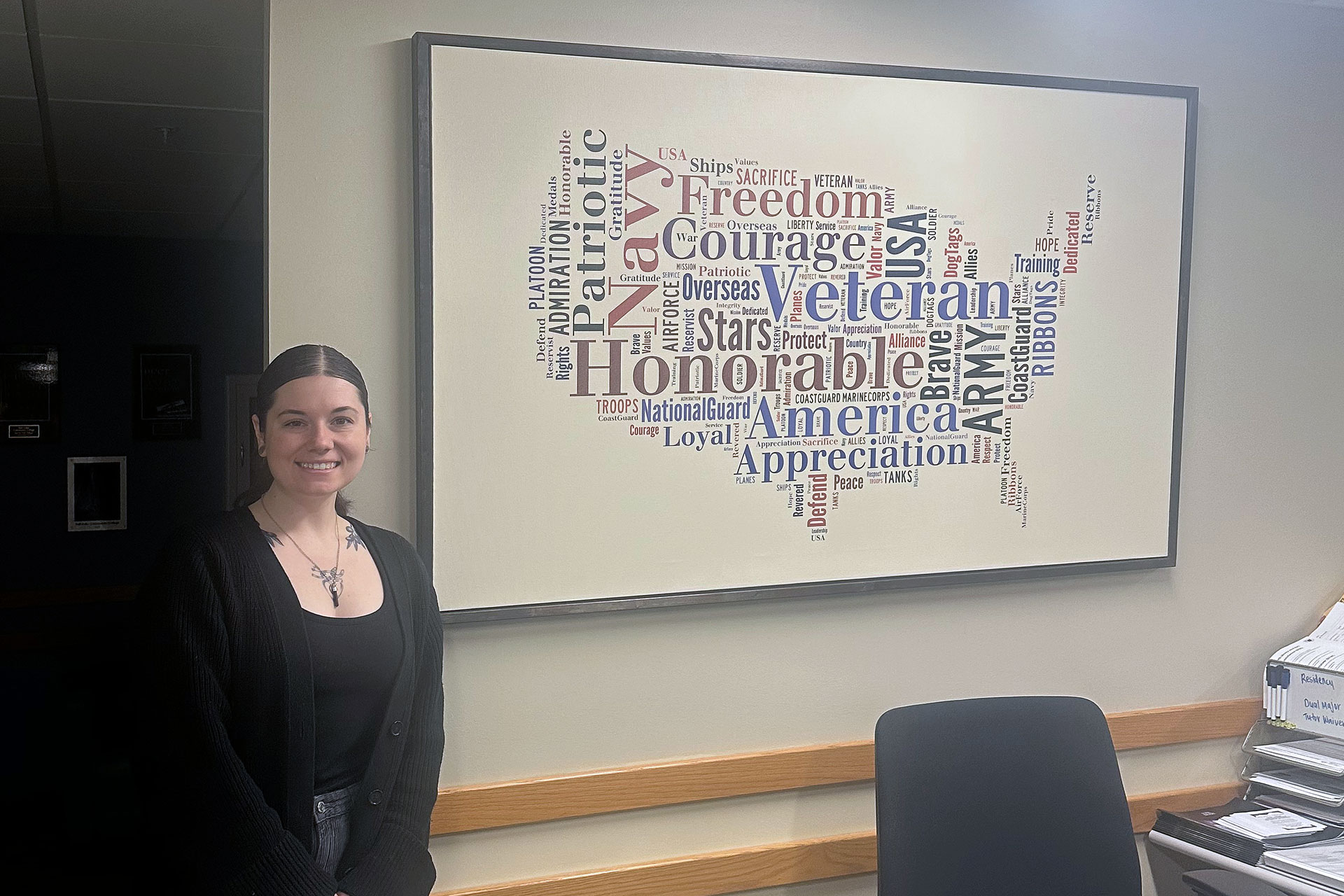
The support system found in Veteran Services
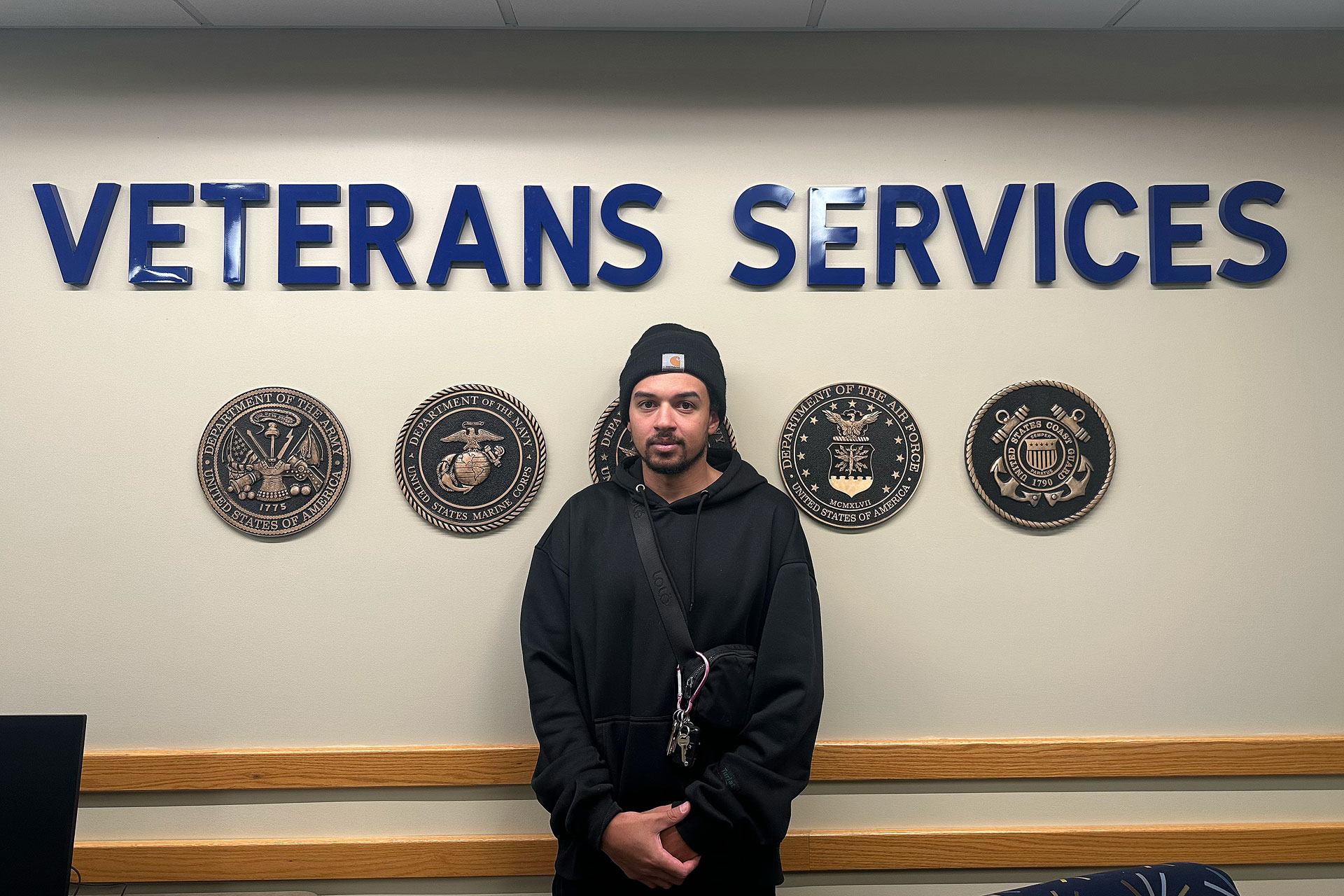
At SLCC, the Veterans Services office is the first point of contact and the most consistent place for direction for student veterans throughout their academic journey.
The staff helps students understand and access VA education benefits, register for classes, resolve financial or enrollment issues, and connect them with resources such as Accessibility & Disability Services, Center for Health and Counseling and campus community events.
Stetson credits the office for helping him reconnect to school after years of difficulty.
“They were very helpful. They helped set me on the path to where I am now,” Stetson said. Veterans Services also connected him with the school’s disability services, which provided extended deadlines and helped his professors understand his PTSD and anxiety.
Veteran community among students
While SLCC offers strong institutional support, many veterans say their strongest sense of stability comes from one another. Salazar said veterans tend to naturally gravitate toward each other.
These peer connections help create a sense of belonging that can be difficult to find outside the military. Stetson described ongoing friendships and support groups he has participated in through the VA, including monthly golfing trips, regular check-ins and constant communication.
“It was like a brotherhood in the Army. We always had each other’s backs,” Stetson said. “That hasn’t changed.”
This network of students helps to create some of the stability and connection veterans miss when they leave the service.
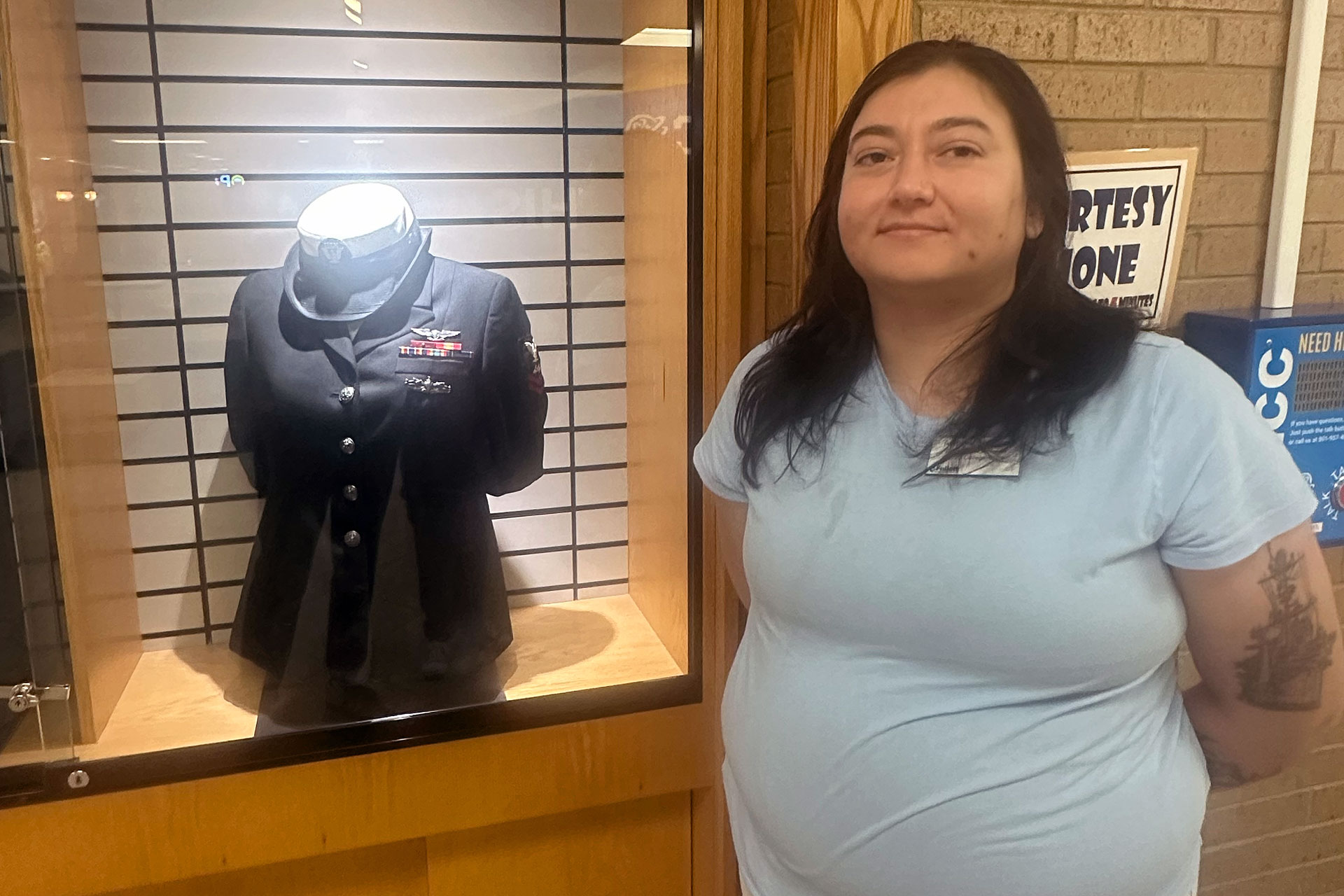
Impact of support systems
From campus resources to peer support, the systems in place at SLCC help veterans rebuild their lives in ways that extend far beyond academics.
Stetson said the combination of disability services, veteran services and community support empowered him to overcome significant mental health challenges and complete his degree at SLCC. He then transferred to the University of Utah and graduated in January — something he said wouldn’t have been possible without the foundation he built at SLCC.
From campus resources to the connections they build with one another, veterans say the key is not facing it alone.
“Find your community. Trying to figure it out alone isn’t fun,” Salazar said.
Stetson agreed, and added, “The brotherhood doesn’t end when you leave the service. The veteran community is still there for you.”
Together, their stories show that while the path forward isn’t easy, no veteran at SLCC must walk it alone.