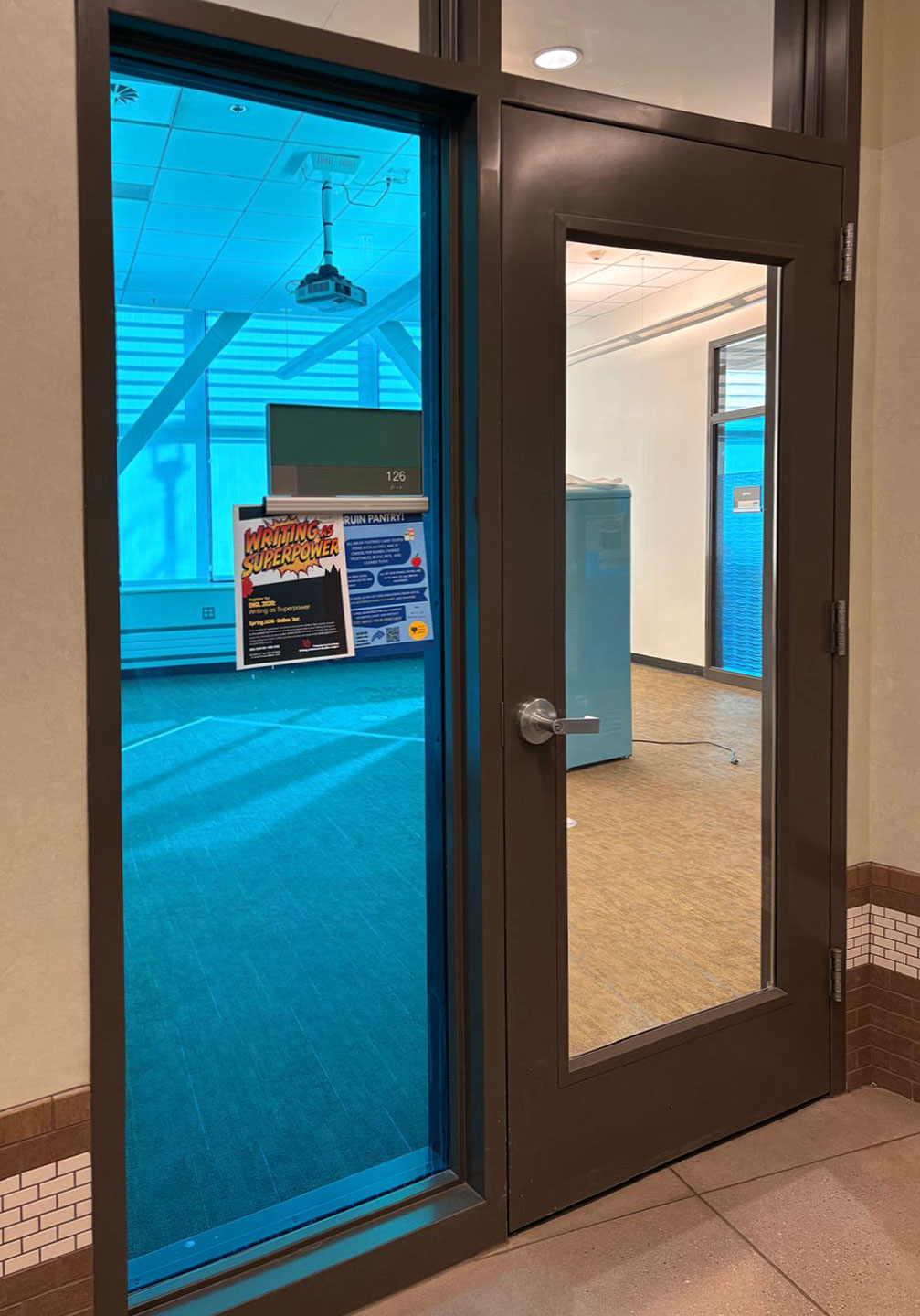
At Salt Lake Community College, joining the SLCC Honors Program becomes a turning point for students; a chance to strengthen academics, relieve financial pressure and join a community of peers who push them to succeed.
Through High-Impact Practices (HIPs), enrichment experiences, honors courses and close mentoring, the Honors Program aims to help students who are confident, community-minded and ready for the next step in their academic journey.
More than academics: A place to grow
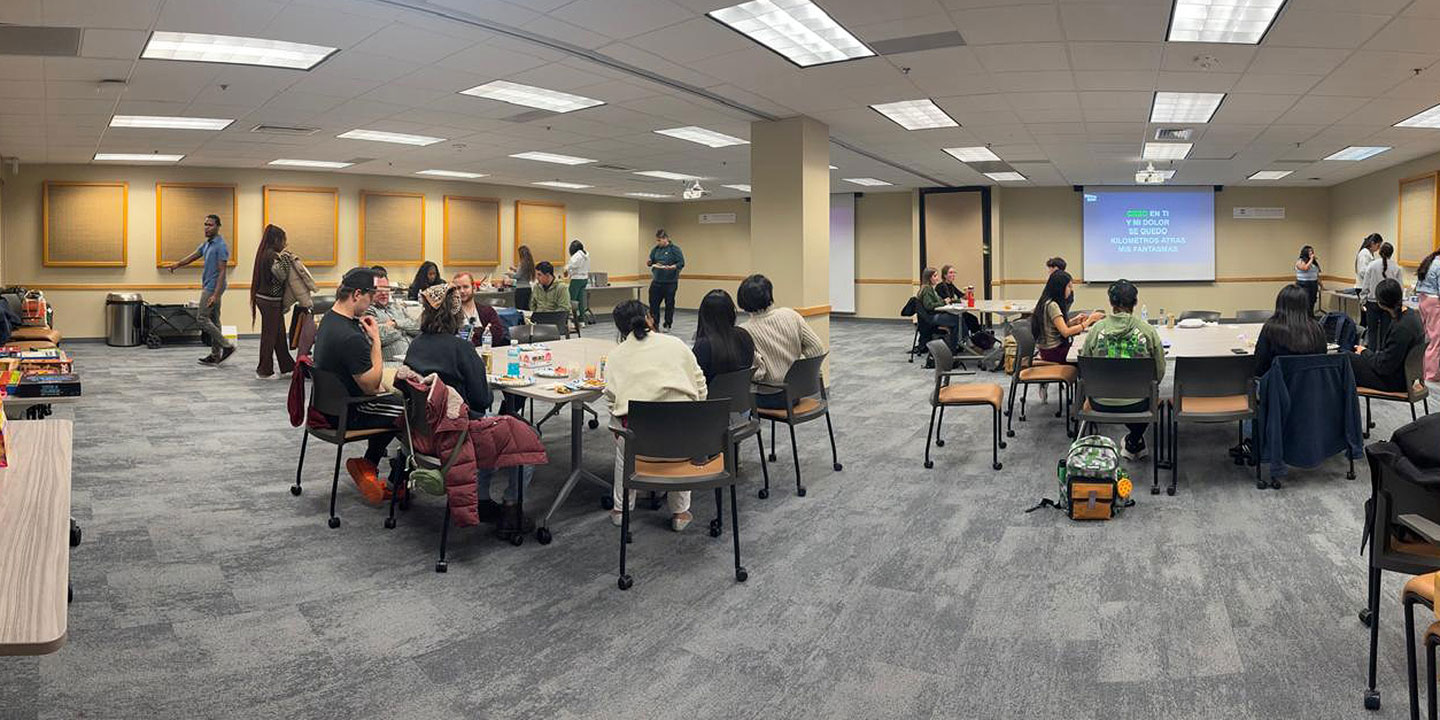
According to the Honors Program website, the program is meant to be “a diverse community of engaged students, faculty and staff dedicated to a transformative education in which we all learn from each other.”
Honors Program Manager Kathy Tran-Peters helps students get the most out of their time at SLCC by engaging them with the community through honors courses, events, lectures, growth opportunities and workshops across campus.
“We also help to provide lots of resources to help students succeed,” Tran-Peters said. “We have tuition waivers and scholarships, [we] provide mentorship support, we’ve got an honors lounge, and we put together events and socials to build the community within the honors program.”
The path into the program
To join the Honors Program community, students must complete an application through the website. The deadline for applications for the fall semester is June 15 and for the spring semester is Nov. 30.
While there is no grade-point-average requirement for admission, students must meet certain academic standards to graduate.
“Students also have opportunities to create projects and research that they can later present to conferences at UP3RC or Western Regional Honors Conferences,” Tran-Peters said.
The enrichment experiences are meant to encourage students to be more involved and engaged on campus. To fulfill this requirement, students can attend lectures, workshops, or other campus and community related events.
Tran‑Peters said the requirement encourages students to stay involved on campus, explore available opportunities and connect with their peers.
To complete the HIPs, students are expected to spend at least one semester working on it, which includes a reflective component added to their portfolios.
“If students are doing an internship, a publication or undergraduate research, how can they take what they’re learning in the class into other aspects of their life, such as their academics or career?” Tran-Peters said.
Because of these additional requirements outside the classroom, students in the Honors Program gain experience that prepares them to transfer to four-year institutions and enter the workforce.
Mentorship that makes a difference
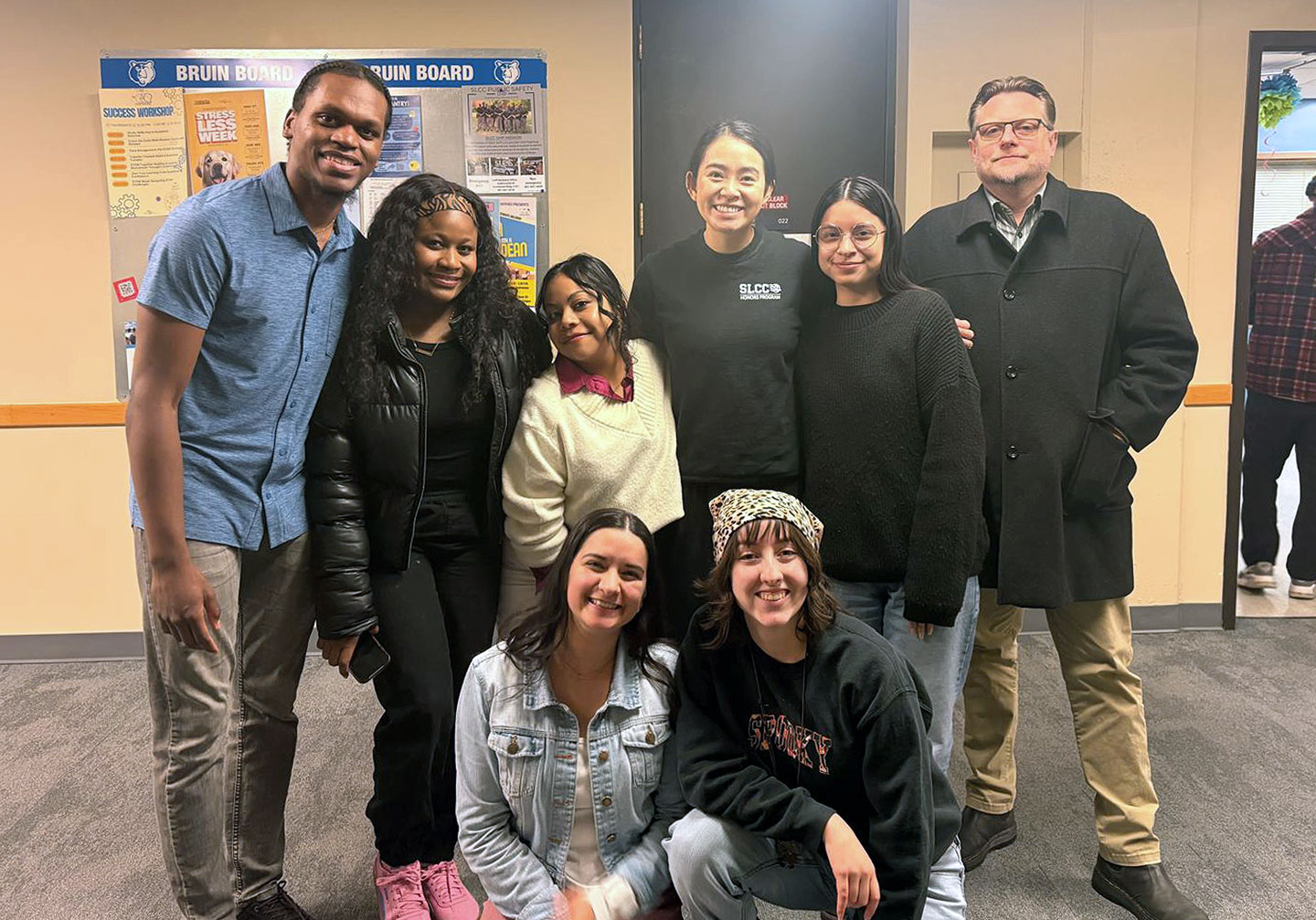
According to the SLCC Honors Program website, students are required to meet with their assigned peer mentor once per semester to check in on their progress. Mentors serve as an additional contact that students can reach out to for guidance and assistance while navigating higher education.
Social worker major and Honors Program peer mentor Camila Thompson said she was motivated by her mentor to take on the role.
“I really like the Honors Program,” said Thompson. “I have a lot of respect for what it does, and I like my position. It’s where I help people. I get to plan events and, hopefully, improve the sense of community students feel on campus.”
Thompson said the amount of support provided depends on how much help students need or want.
“I’ve been a new student before, and I’ve had trouble finding the resources or offices [that] I needed to go to, and sometimes just having somebody take you to where you need to go is just one less thing to worry about,” Thompson said.
Psychology major and Honors Program alumna Natalie Cabrera said she applied to the Honors Program because of the mentorship aspect.
“I felt their help in my life,” Cabrera said. “First Kathy, who was my mentor, and then Mike Young, who is the associate dean of the program. You can see that even though he has a busy life, he actually cares about the students.”
Thompson said that the application process attracts students who have initiative, are committed to doing more than just going to classes and want to be around other students who share that drive.
“Everybody [in the program] looks for the best in everybody else,” Thompson said. “They’re truly a good group of people that you can feel comfortable with and who will work to make you feel comfortable.”
Finding supportive and motivating peers
Economics major and debate team founder Zachary Petersen said that in his high school, he wasn’t connected with the community and had a hard time making friends. In college, he tries a different approach.
“If you want to feel connected to a community, if you want to feel like you’re in a group, you need to give to that group more than you get back,” said Peterson. “If you want to feel like you belong on campus, in your local community, you need to figure out how are you contributing to that community.”
Petersen said he wanted to feel involved and part of a community. He looked for campus groups that would let him contribute to his community, and the Honors Program was the one he found.
“If your goal is, ‘I want to go feel connected to my community, I want to get something out of college, I want to feel I’ve grown here,’ then the Honors Program is the place to go,” Petersen said.
Cabrera said the community and support she found within the program not only helped her academically, but also with her personal life.
“I love my peer mentors; I had their moral support,” she said. “They knew a lot about school and gave advice on classes and extracurriculars.”
Cabrera said that when she became a peer mentor herself, she found a network of mentors who not only support students but also support each other academically and emotionally.
What’s next for SLCC Honors
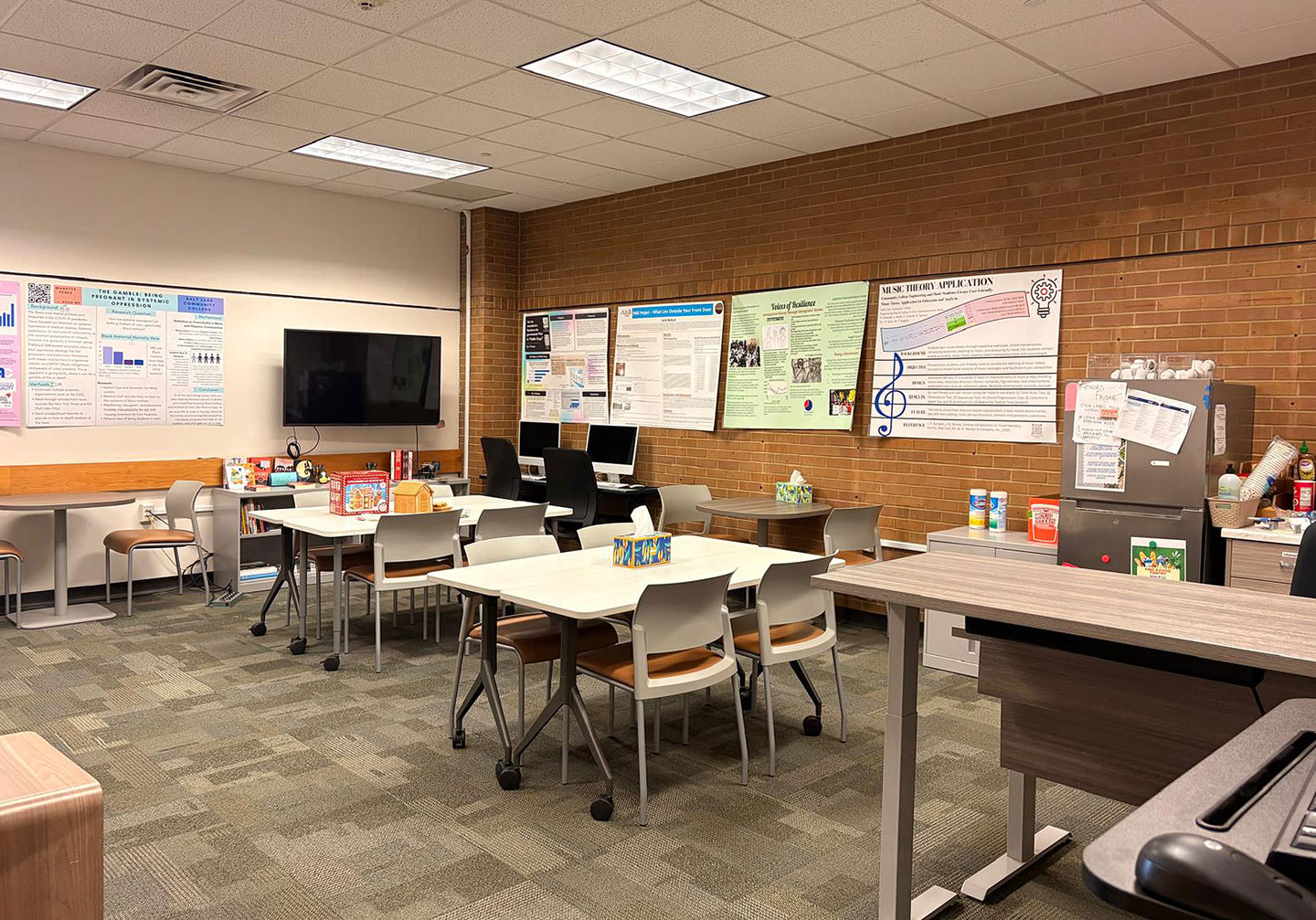
With the Honors Lounge moving from the Technology Building to the Academic and Administration Building at the Taylorsville Redwood Campus this spring, Tran-Peters hopes more students will get to learn about the program.
“That’s our number one goal, is that the Honors Program grows and that more students see themselves as honor students,” Tran-Peters said. “See that we have inclusive and welcoming practices and that it’s a space in a community that all students see themselves as being a part of.”
Petersen highlighted the importance of not isolating oneself as a student, noting the benefits of being involved in a community.
“It takes a lot of active effort to be connected with a group,” Peterson said. “Joining the Honors Program is awesome.”